Last updated November 23, 2026
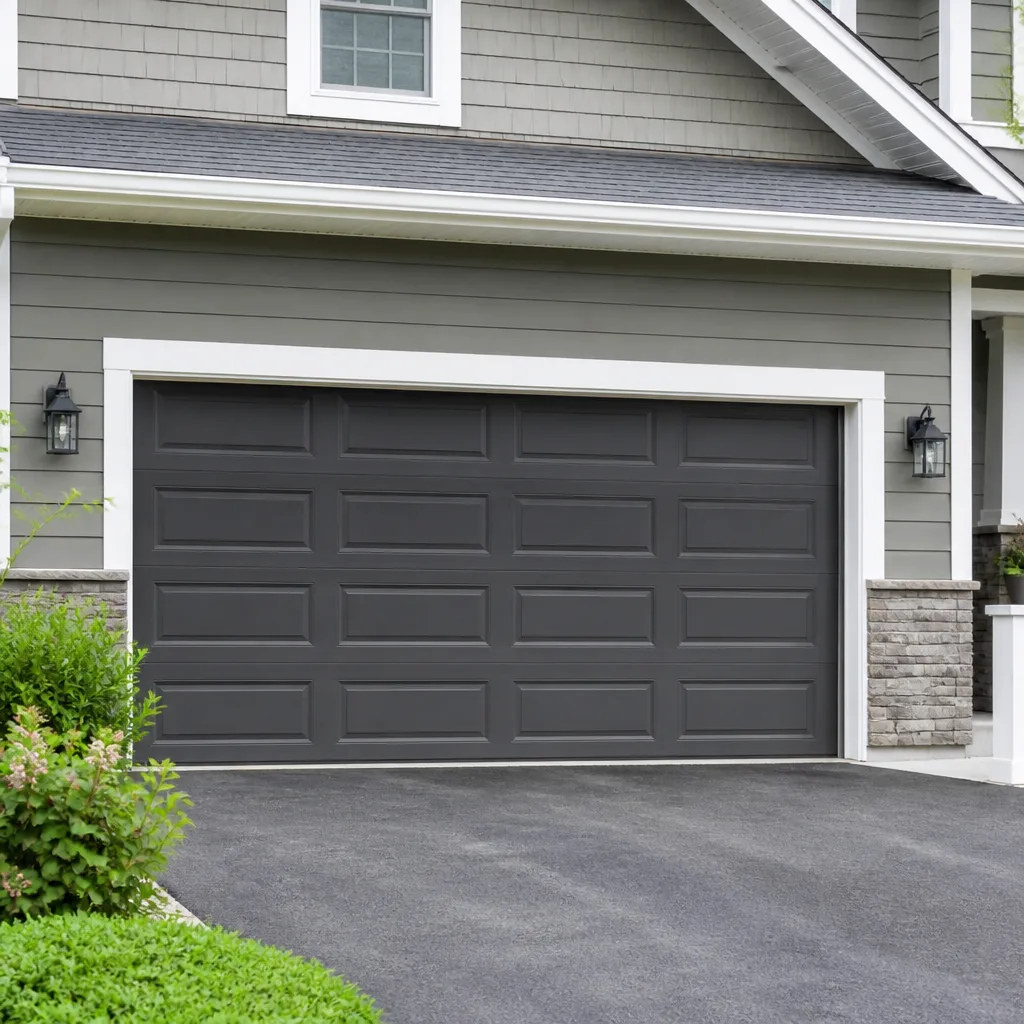 Raised-panel steel
 Carriage house
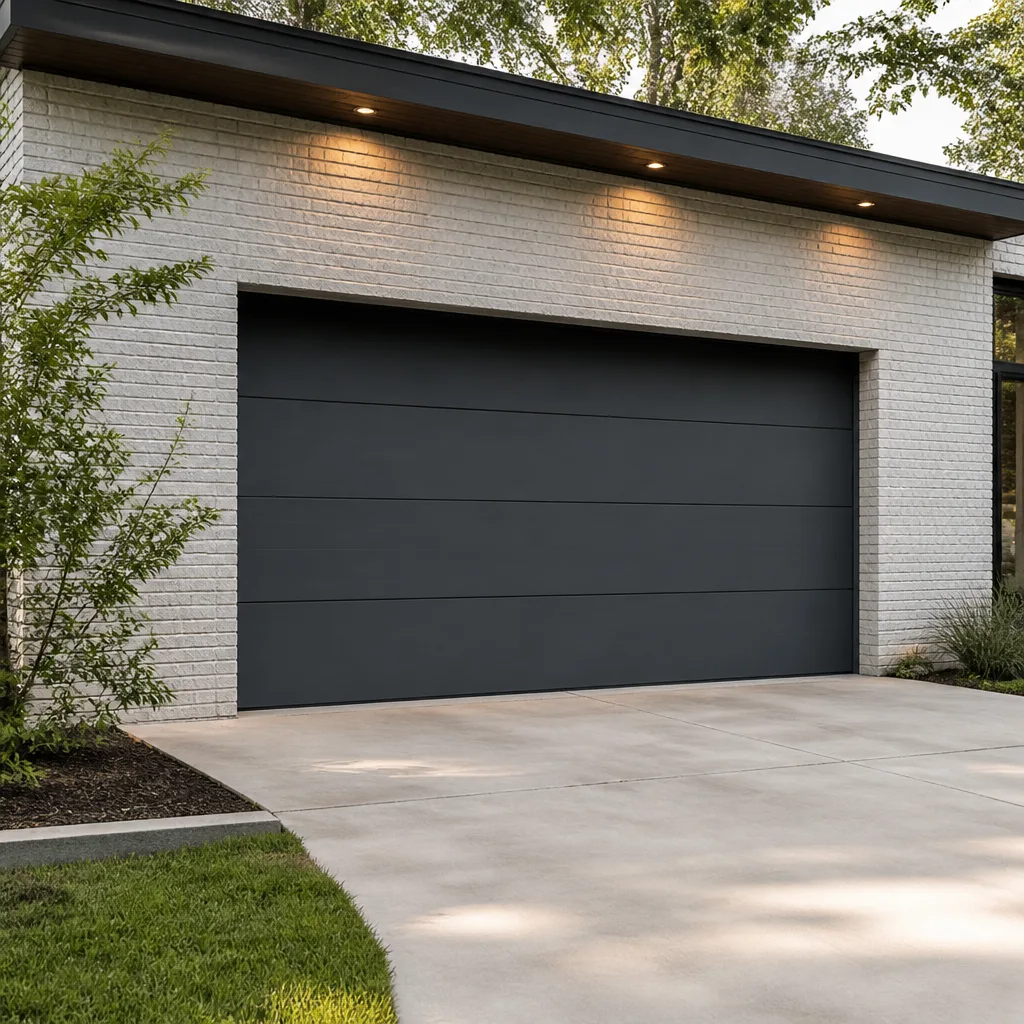 Modern flush
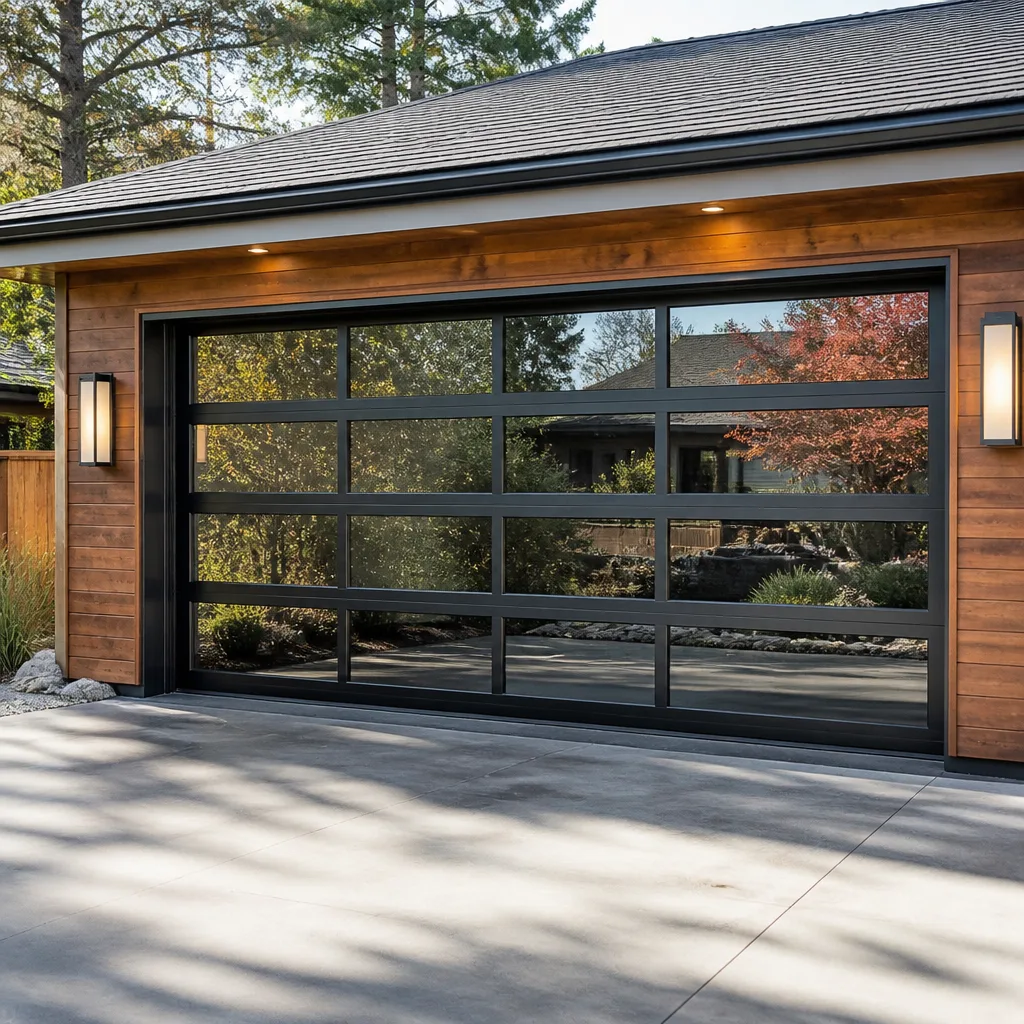 Full-view glass
 LiftMaster openers
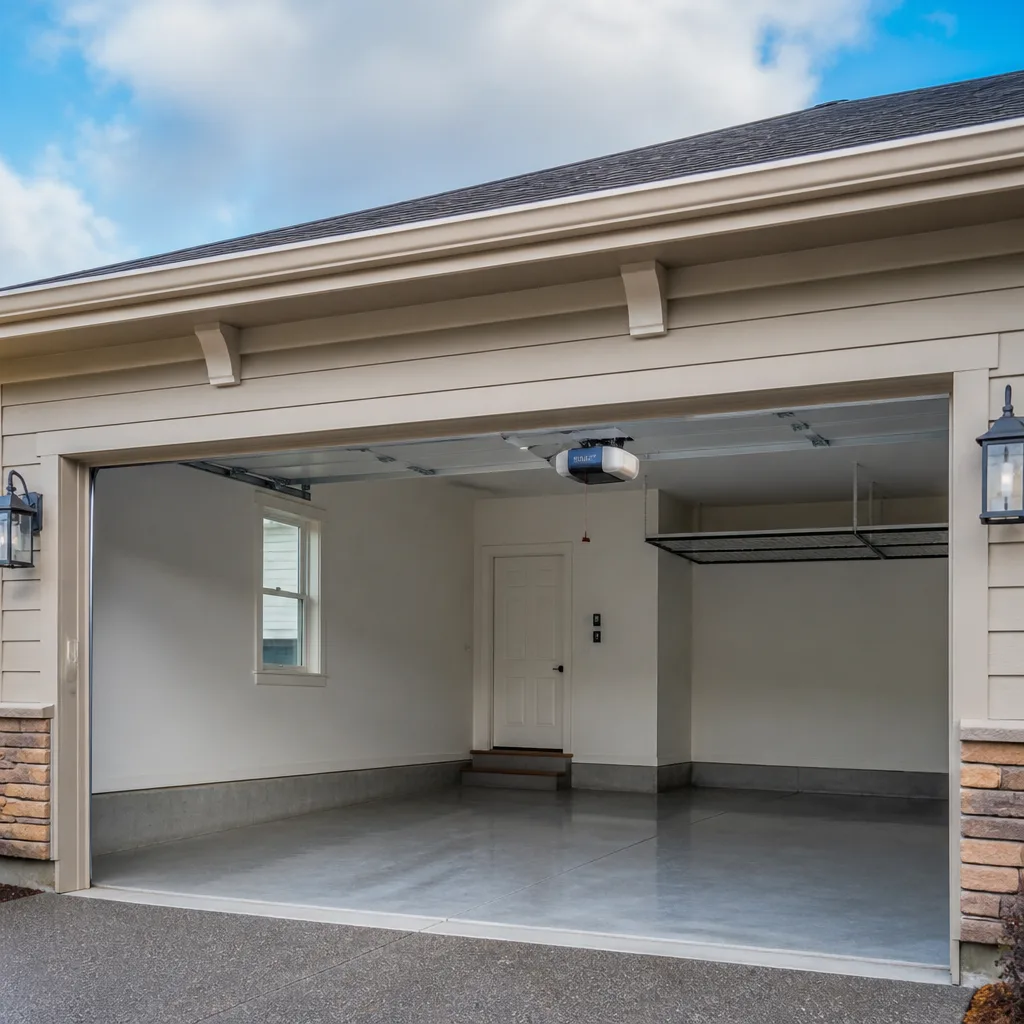 Chamberlain openers
Full 25-point door and opener safety check with every visit - springs, cables, rollers, tracks, and your LiftMaster or Chamberlain opener included
You get a price before we start. It does not change when the pro arrives.
Get your free estimateSeasonal Garage Door Care for Skokie: Year-Round Homeowner’s Guide
Most garage door failures in Skokie don’t start with a snapped spring. They start quietly, in October, with a seal that stops flexing – or in July, with a wood panel that takes on a little water it never fully dries out. A garage door is a system of moving parts held in tension, and every season here pushes on a different part of that system. Polar vortex cold, spring freeze-thaw, humid summers, and fall grit each leave their mark. This guide maps Skokie’s specific weather to the exact components it wears down, so you can catch problems before they strand your car or bend a panel. You’ll learn what to lubricate and when, how to free a frozen seal without wrecking the door, and the inspection points that matter most after winter.
Styles & brands we work with
- Raised-panel steel
- Carriage house
- Modern flush
- Full-view glass
- LiftMaster openers
- Chamberlain openers
Quick Answer
Seasonal garage door care in Skokie comes down to four moves: swap to cold-rated lubricant before the first freeze (typically November), free a stuck bottom seal by hand and gently – never force the opener, inspect cables, drums, and spring anchors each spring before summer use, and clear track debris and check weather stripping in fall. Most of this takes an afternoon and prevents the frozen-seal and freeze-thaw damage that cause the majority of cold-weather failures in the Chicago metro.
Table of Contents
- Why Skokie Weather Is Hard on Garage Doors
- Pre-Winter Prep: The Freeze-Thaw Window
- How to Free a Frozen Bottom Seal Without Damage
- Spring Checklist: After Winter, Before Summer
- Summer Humidity and Wood Door Panels
- Fall Checklist: Seals, Stripping, and Track Debris
- Lubricants and Cold: What Changes Below 20°F
- Common Mistakes to Avoid
- When to Call a Professional
- Frequently Asked Questions
- The Bottom Line
Why Skokie Weather Is Hard on Garage Doors
Skokie sits in a climate that swings hard in both directions. Winter cold snaps can drag temperatures well below zero, and summer humidity can hang in the air for weeks. A garage door lives at the boundary between that weather and your home, so it feels every shift. The components that suffer most are the ones that flex, bind, or hold tension: the bottom seal, the springs, the cables, and the rollers.
The freeze-thaw cycle is the quiet culprit. Water that collects along the bottom seal or under the door’s threshold freezes overnight, then melts during a milder afternoon, then refreezes. Each cycle pushes the seal slightly out of place and can pull moisture into the door’s lower panel. Over a single Skokie winter, that sequence repeats dozens of times. Homes near the Skokie Lagoons and the North Shore Channel see more ground moisture, which makes freeze-thaw worse on the lower door edge.
Summer brings the opposite problem. High humidity works its way into wood panels, swelling the grain. That swelling can push a panel out of true, and once it’s out of true the rollers start riding the track at a slight angle. That’s when you get that grinding sound you can’t quite place. Metal doors don’t warp, but humidity still affects the seals and the lubrication on the moving parts.
Fall is the transition. Grit, leaves, and grit-heavy rainwater collect in the track and on the seal, and when that debris freezes into place in the first hard cold snap, it can jam the door mid-travel. The seasons here don’t just add wear; they hand the problem to the next season. Catch each one on time and the door lasts longer and runs quieter. In our experience, homeowners who do a short seasonal pass on their own door avoid most of the calls we get in January.
Pre-Winter Prep: The Freeze-Thaw Window
In Skokie, the window to get your garage door ready for cold weather closes around November, before the first sustained freeze takes hold. Once temperatures stay below freezing, lubricants stiffen, seals harden, and every small adjustment becomes harder to make. Use the freeze-thaw window to do the work while everything still moves freely.
Here’s the order that matters:
- Inspect the bottom seal for cracks, brittleness, or gaps. A stiff seal can’t press flat against the floor, and that’s the gap where cold air and moisture get in. If the rubber feels hard or you see visible splits, the seal is done.
- Lubricate hinges, rollers, and the torsion shaft with a cold-rated lubricant. Not the spray can left over from summer. More on this in the lubricant section below.
- Check the balance of the door. Disconnect the opener, lift the door halfway by hand, and let go. It should hold position. A door that drops means the springs have lost tension and will strain harder in cold weather.
- Look at the weather stripping along the sides and top. Gaps that don’t matter in June let cold air pour in when it’s 5°F.
- Clear the threshold. Remove leaves, grit, and anything that can freeze into a lump under the seal.
- Test the safety reverse. Place a small object under the door and close it. The door should reverse on contact. Cold can stiffen the mechanism, so verify it works before winter.
If the door is a Wayne Dalton or an Amarr model with a specific seal profile, replacing a worn seal with the correct part makes a real difference. A generic seal that doesn’t match the door’s channel can leave the same gap you had before.
How to Free a Frozen Bottom Seal Without Damage
The number-one cause of January garage door failures in the Chicago metro isn’t a broken spring. It’s a bottom seal frozen to the ground that the homeowner then forces open. When the opener pulls hard against a stuck door, the bottom panel bends or the cable jumps the drum. Either way, a small freeze turns into a repair.
Here’s how to handle a frozen seal safely, with no special tools:
- Stop pressing the opener. If the door hasn’t moved after one press, don’t try again. Repeating the cycle is what bends the panel.
- Turn the opener off at the wall switch so it can’t be triggered accidentally.
- Free the seal by hand. Work a stiff plastic scraper or a soft-tipped tool gently along the edge where the rubber meets the floor. Warm water poured along the base of the door softens the bond and lets the seal release.
- Never use a metal shovel or pry bar under the door. You’ll tear the seal and gouge the bottom panel.
- Once the seal is free, lift the door by hand – opener still off – a few inches, then let it down gently. If it moves easily, the mechanism is fine.
- Dry the threshold and apply a thin coat of silicone spray to the seal’s bottom edge so it won’t bond again.
If the door is already bent or the cable has jumped, that’s a repair, not a DIY unstick. A bent bottom panel will rub the track and contaminate the whole travel. Call us and we can work with you on a fix before driving on it makes it worse.
Spring Checklist: After Winter, Before Summer
Spring is when the hidden winter damage surfaces. A cable drum can develop a hairline crack under cycling that gives out weeks later at full load. Same with a spring anchor plate: the bolts loosen a fraction each season, and once they let go the torsion system releases. That’s why spring inspections matter after the freeze-thaw months, before the door runs heavy through summer.
What to look for, in order:
- Cable drums: Check for cracking or worn grooves where the cable winds. A cracked drum must be replaced, not patched.
- Spring anchor plate: Look for looseness where the springs mount to the wall above the door. Any wiggle is a professional call.
- Cables: Fraying, kinks, or rust along the cable are signs it’s near failure. A snapped cable can lash out, so don’t handle a damaged one yourself.
- Torsion springs: Look for a visible gap in the coil, which means the spring has broken. Also listen for popping sounds during operation.
- Rollers: Worn or flat-spotted rollers make the door run rough and wear the track.
If you’re hearing a loud pop during the door cycle or seeing a gap in the coil, stop using the door – a broken spring is a safety hazard, and forcing it can drop the door. Our team handles torsion and extension springs as one of our specialties, and because we’re trained on top-of-the-line spring systems and doors from brands like Clopay and Raynor, we know what to expect when we arrive. A spring repair done before the summer heat stress prevents a mid-summer breakdown.
This is also the season to book our garage door spring repair inspection if your door has passed another winter without one. Spring work is not a winter sport; the mild weather is the right time to address it.
Summer Humidity and Wood Door Panels
Wood garage doors look great in Skokie, and the older housing stock here has plenty of them. Summer humidity is their enemy. Wood takes on moisture from the air, swelling along the grain. When a panel swells, its edges push outward and the bottom of the panel can drop slightly, out of line with the one next to it. The rollers attached to that section then ride the track off-center, which is how humidity turns into a grinding door.
Signs of early warping to watch for:
- Visible gaps or overlaps between panels that weren’t there in spring.
- A door that doesn’t close flush, with light visible around one panel edge.
- Sticking or grinding at a specific point in the travel – often where a swollen panel meets the track bracket.
- Staining or soft spots near the bottom of a panel, a sign moisture is getting in and not drying.
What you can do during the humid months: keep the seal and weather stripping in good shape so moisture doesn’t wick up from the floor, and check the door every few weeks for panel line changes. If you see warping, a real wood specialist should evaluate whether the panel can be stabilized or needs replacement. Running a swollen door for a whole summer is what bends the rollers and misaligns the track, so catch it early. In our experience, doors with proper weather stripping and a sound seal weather the humid stretch with no panel movement.
Fall Checklist: Seals, Stripping, and Track Debris
Fall is the last chance to get ahead of the first hard freeze. The work here is small but specific: the three things that cause most cold-weather callbacks are the weather stripping, the bottom seal, and debris left in the track. Get those right before November and you’ve handled the main risks.
- Inspect the bottom seal. Run your hand along it. It should feel flexible, not brittle. Replace it if it’s cracked or stiff.
- Check the side and top weather stripping. Torn or flattened stripping lets cold air in and can pull loose in wind. Replace worn sections.
- Clear the track. Vacuum or brush out leaves, grit, and small stones. Even a pebble rolling under the door can bind it.
- Lubricate moving parts with cold-rated lubricant while it’s still mild enough to work (see the next section).
- Check the door balance and safety reverse one more time before the cold sets in.
Skokie’s fall leaf drop means more debris collects in the track than most homeowners expect. A quick pass with a vacuum and a soft brush after the leaves are down saves a midwinter jam. Brand-specific doors like Craftsman and Wayne Dalton sometimes use a stripping profile that’s hard to match generically, so source the right part when replacing.
Lubricants and Cold: What Changes Below 20°F
What most seasonal guides leave out: lubricant has a temperature window. A spray product that runs smoothly at 70°F can turn into a sticky film once the mercury drops below about 20°F. The most common mistake is using a light general-purpose oil in the fall, then finding the door stiff, sluggish, or noisy by January.
The fix is to swap to a cold-rated lubricant before the freeze sets in – typically in November in Skokie. Here’s what to use where:
- Hinges and rollers: A cold-rated silicone or lithium spray. Avoid heavy grease that thickens in the cold.
- Torsion shaft and bearing plates: A cold-rated lubricant on the shaft where it turns. Don’t over-apply; excess attracts grit.
- Bottom seal: A light silicone spray to keep the rubber supple, not sticky.
- Track: Don’t lubricate the track itself. Debris and dry running are handled with a clean cloth, not oil.
Also clean the old summer lubricant off before applying the new one. Mixing products can leave a gummy layer that’s worse than nothing. In our experience, the homeowner who swaps their lubricant ahead of the first freeze has a door that runs as quietly in February as it did in September.
Common Mistakes to Avoid
- Forcing a frozen door open with the opener. The opener will win the tug-of-war, but you’ll bend the bottom panel and misalign the track. Free the seal first, by hand, and turn the opener off before you start.
- Using summer oil into the winter. A lubricant that’s fine at 70°F thickens below 20°F and can actually make the door harder to move. Swap it before November.
- Ignoring a small crack in a cable or drum. Spring inspection is where those show up. A crack that’s fine now can become a snapped cable at the worst moment, so have it checked.
- Power-washing or soaking a wood door in humid weather. That’s exactly the moisture you’re trying to keep out. Clean with a damp cloth and let it dry.
- Lubing the track. Track oil collects grit and turns into a paste. Keep the track dry and clean.
- Skipping the fall debris clear-out. Skokie’s leaf drop fills the track fast. Debris that freezes in place jams the door mid-cycle, so clear it before the first hard freeze.
- Handling a torsion spring yourself. Torsion and extension springs are under extreme tension. They can release with enough force to cause serious injury. This is a trained-technician job, full stop.
When to Call a Professional
Some seasonal work is a homeowner’s job: clearing the track, checking weather stripping, freeing a frozen seal by hand, and lubricating moving parts with the right product. But some of it needs training and the right tools, and knowing the line is what keeps you out of the repair shop.
Call a professional if you see a gap in a torsion spring coil, hear a loud popping during operation, find frayed or snapped cables, notice a cracked cable drum, or if the door is bent, off-track, or not balanced. Any of these is a safety issue: springs and cables are under tension and can cause serious injury if handled wrong. Also call if a wood panel is warping enough to bind the track, or if the door won’t reverse on its safety test.
Skokie Garage Door Repair Co offers free estimates in Skokie – call (844) 670-3544. Our technicians have up to 14 years of experience and are trained on systems from LiftMaster, Chamberlain, Genie, Craftsman, and Clopay, so we know your specific door before we arrive. All pricing is quoted and agreed before any work starts. And if a seasonal repair turns into a replacement question, we handle the full arc – diagnosis, garage door repair, and new-door installation – so you don’t get handed off to a second company.
Frequently Asked Questions
A garage door in Skokie does best with a short check at each season change – roughly four passes a year that align with the freeze-thaw cycle. Fall and spring are the two that matter most: fall to seal the door against the cold, and spring to catch hidden winter damage to cables, drums, and springs. Annual professional service is a reasonable baseline, but the seasonal homeowner checks do most of the prevention.
It freezes shut because the bottom seal bonds to a cold, damp threshold and the freeze hardens it into a solid connection. Moisture on the floor or under the seal freezes overnight and locks the door down. A supple seal and a dry threshold prevent it; if the door is already stuck, free the rubber by hand and never force the opener.
Use a cold-rated silicone or lithium spray on hinges, rollers, and the torsion shaft, applied before the first freeze in November. Heavy summer grease thickens below 20°F and makes the door stiff. For the bottom seal, a light silicone spray keeps the rubber supple without attracting grit.
Yes, as long as the door isn’t bent and the cable hasn’t jumped. Turn the opener off at the wall switch, free the rubber by hand with a stiff plastic tool or warm water along the base, and lift the door a few inches by hand to confirm it moves freely. Never use a metal pry bar under the door, and never force it with the opener.
It can be, if you let it run. Summer humidity swells wood panels and pushes them out of line, which makes the rollers ride the track off-center and grind. Catch it early by watching for gaps between panels and light showing at the edges. A panel that’s already binding the track should be evaluated by a professional before it damages the hardware.
Yes, because winter damage comes from conditions your door hasn’t faced yet. A door that’s smooth in October can still freeze at the seal or stiffen with the wrong lubricant in January. Pre-winter prep is about the small things – seal condition, cold-rated lubricant, weather stripping, and a balance check – that prevent a midwinter failure. Winter calls to us from Skokie are mostly a small problem that wasn’t caught in November.
The Bottom Line
Your garage door isn’t just fighting one season in Skokie; it’s carrying the wear of all four into the next. Winter freeze-thaw damages the seal and injects moisture into wood, spring humidity warps panels, fall grit jams the track, and summer heat stresses the springs. The cure is simple and specific: get the right cold-rated lubricant in by November, free a stuck seal by hand not with the opener, inspect cables, drums, and springs each spring, and clear the track and weather stripping before the first freeze. Most of this takes an afternoon. The parts that don’t – springs, cables, and anything off-track – are the ones to hand to a trained technician. If you’re not sure what you’re looking at, we’re happy to look. We can help with diagnosis, spring replacement, opener work, and a new door when the season finally calls for one, and we’ll quote and agree the price before anything starts.
Whether you need a seasonal inspection, a specific brand repair, or a full replacement, Skokie Garage Door Repair Co is set up to handle the whole job. Our technicians work on LiftMaster, Chamberlain, Genie, Craftsman, and brands like Amarr and Raynor. For garage door opener repair where you want someone who already knows your system, or for the full-service side at Skokie Garage Door Repair Co, we’re one call away.
Call (844) 670-3544 for a free estimate. We’ll assess what your door actually needs this season and quote it clearly before any work begins.
Written by the team at Skokie Garage Door Repair Co.
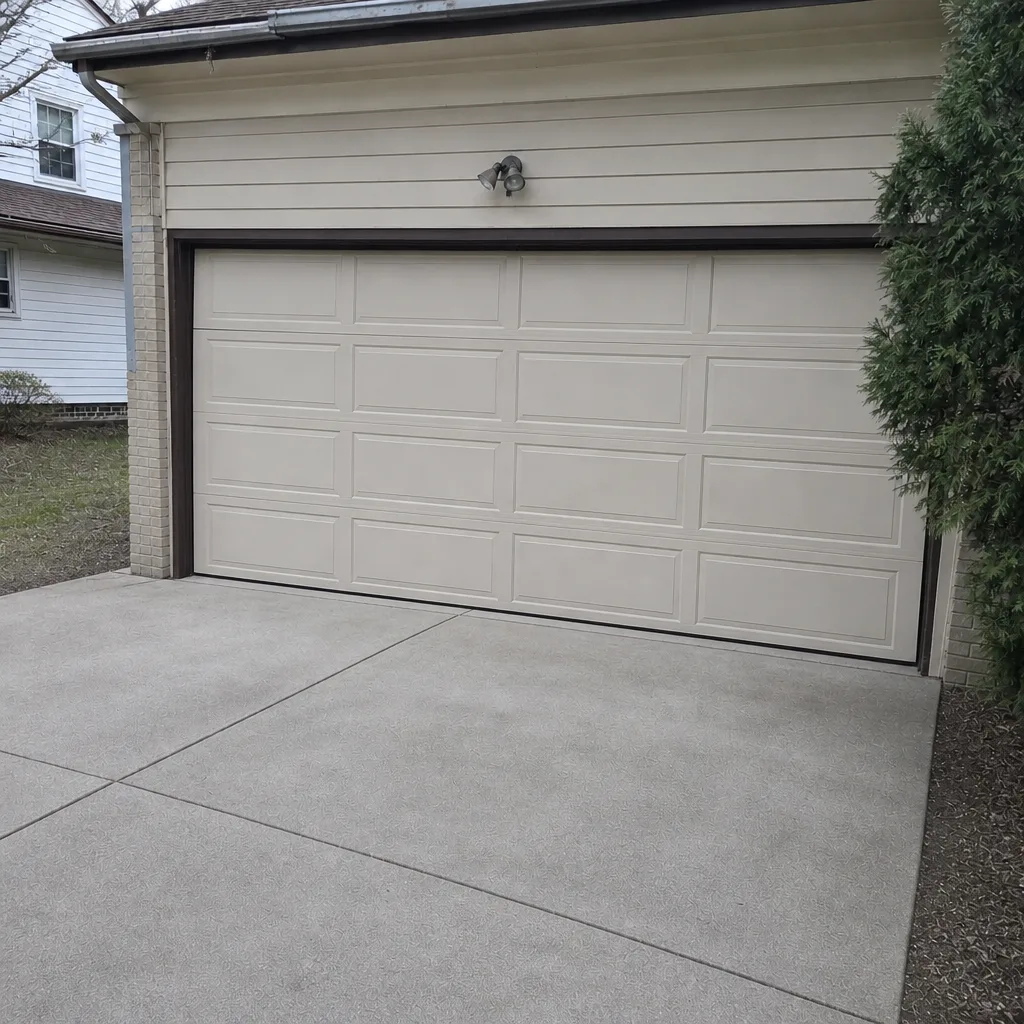
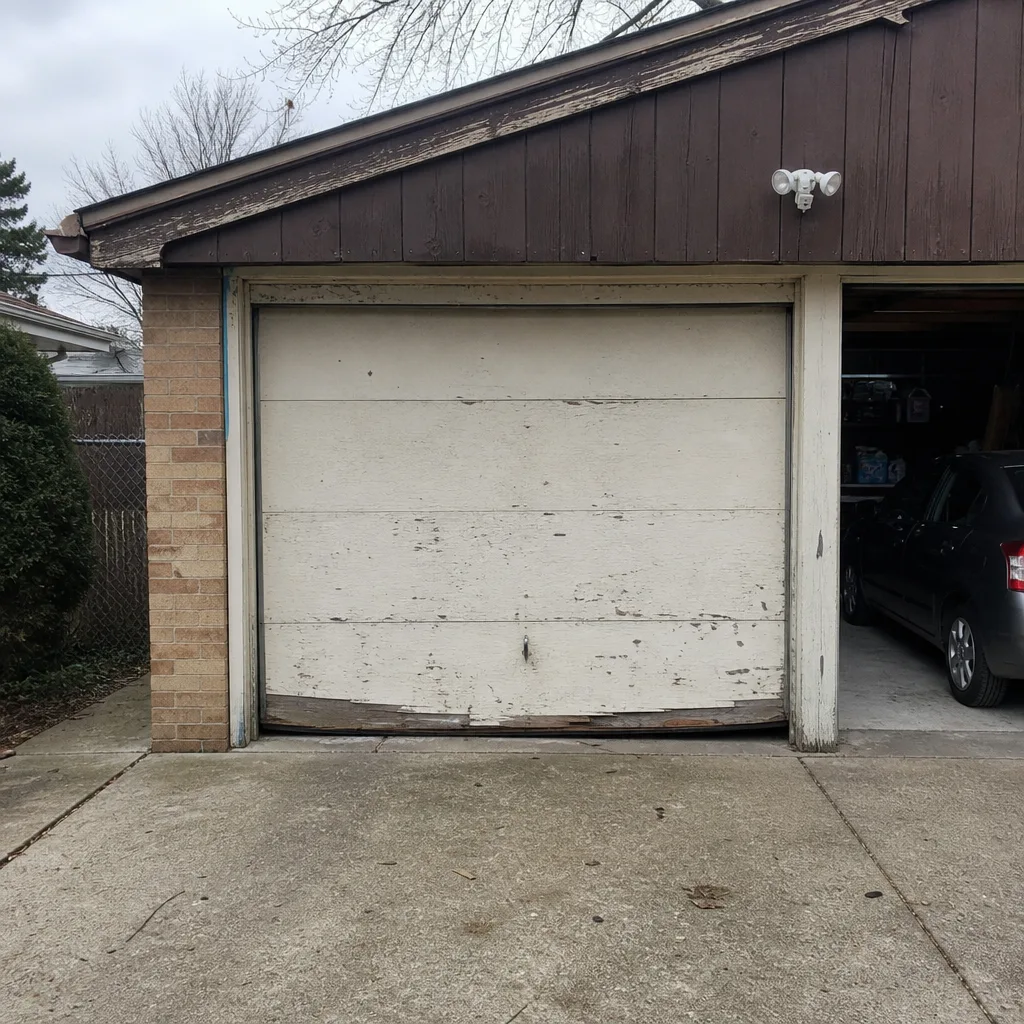
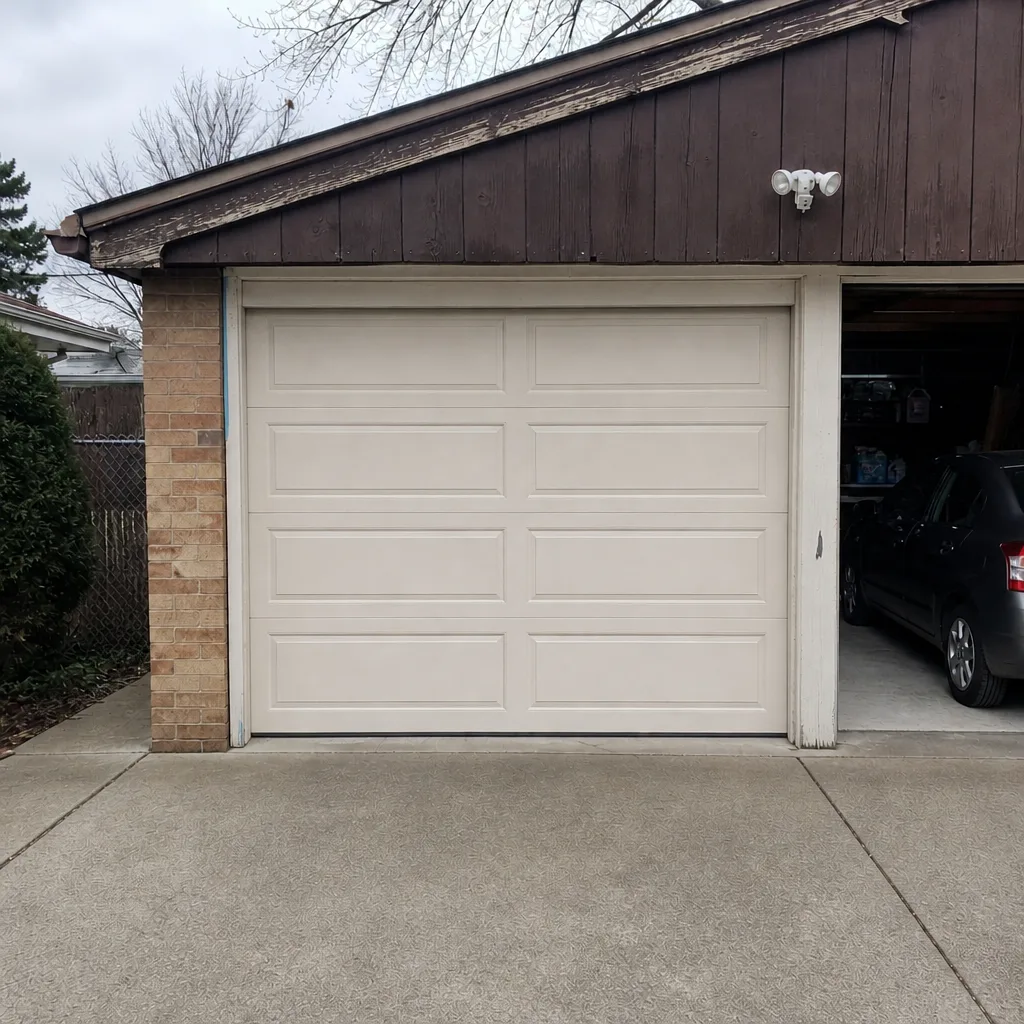
See the difference
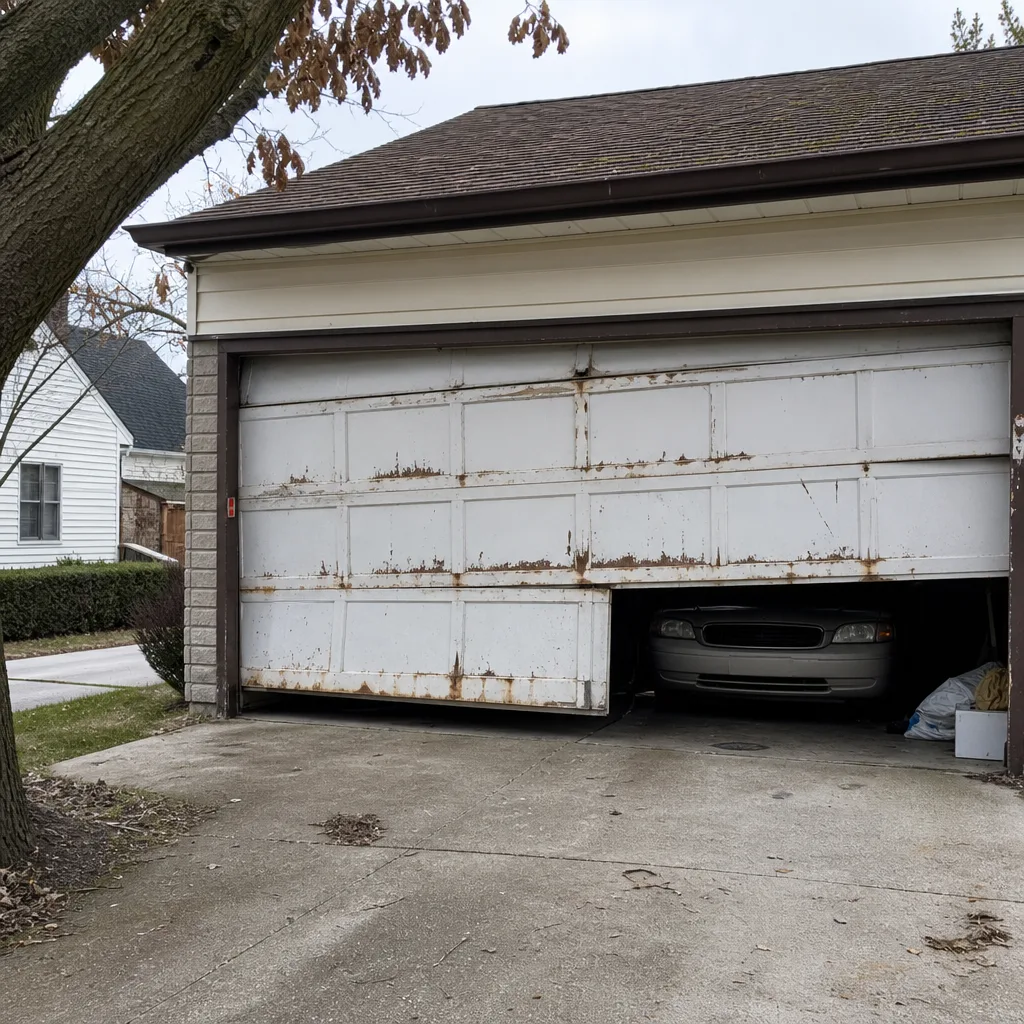 Before
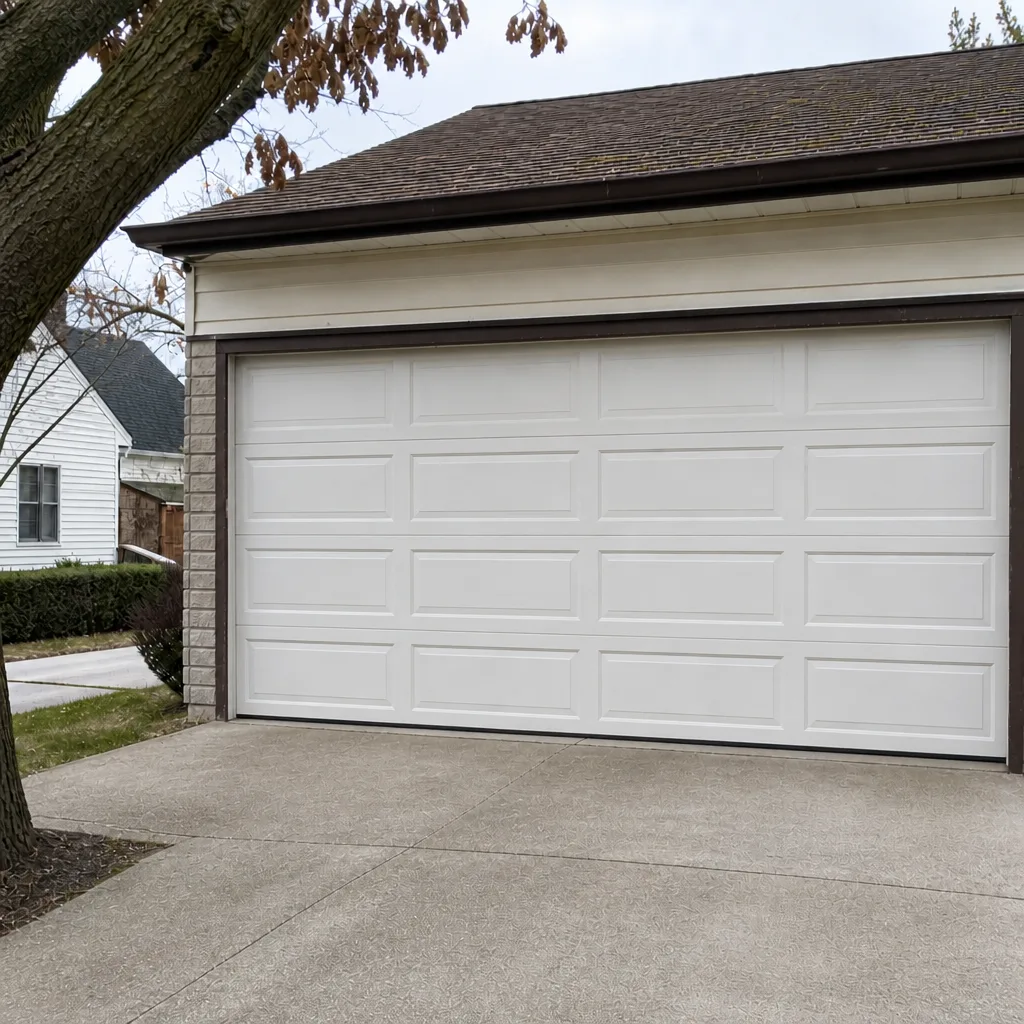 After
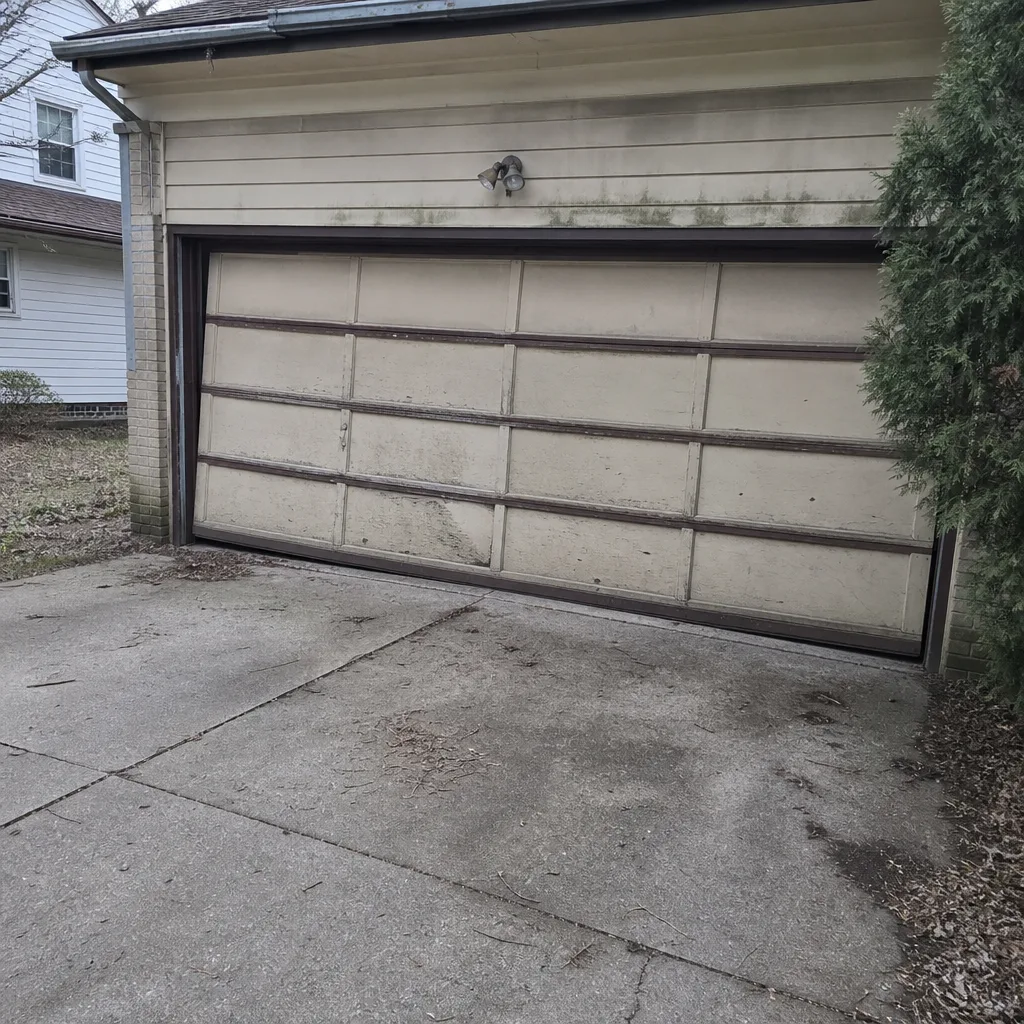 Before
 After
 Before
 After