Last updated November 23, 2026
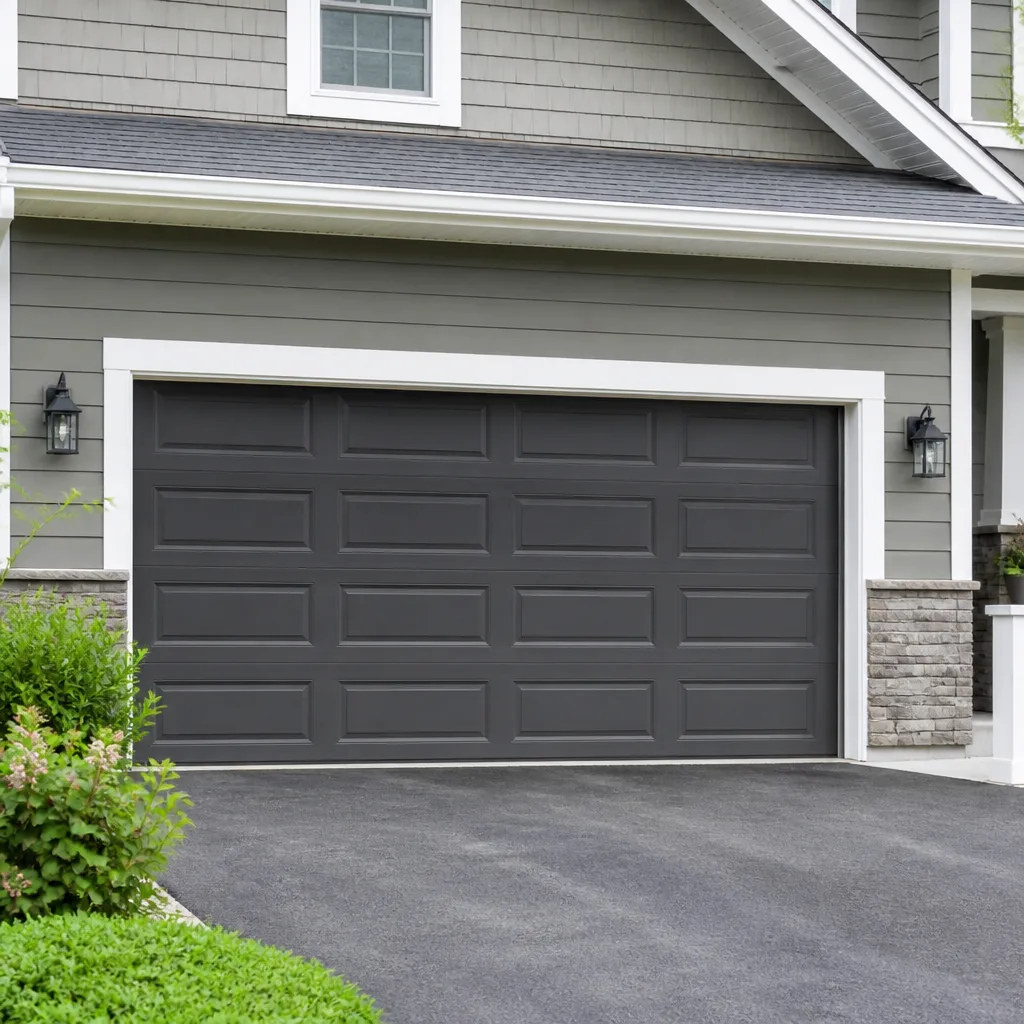 Raised-panel steel
 Carriage house
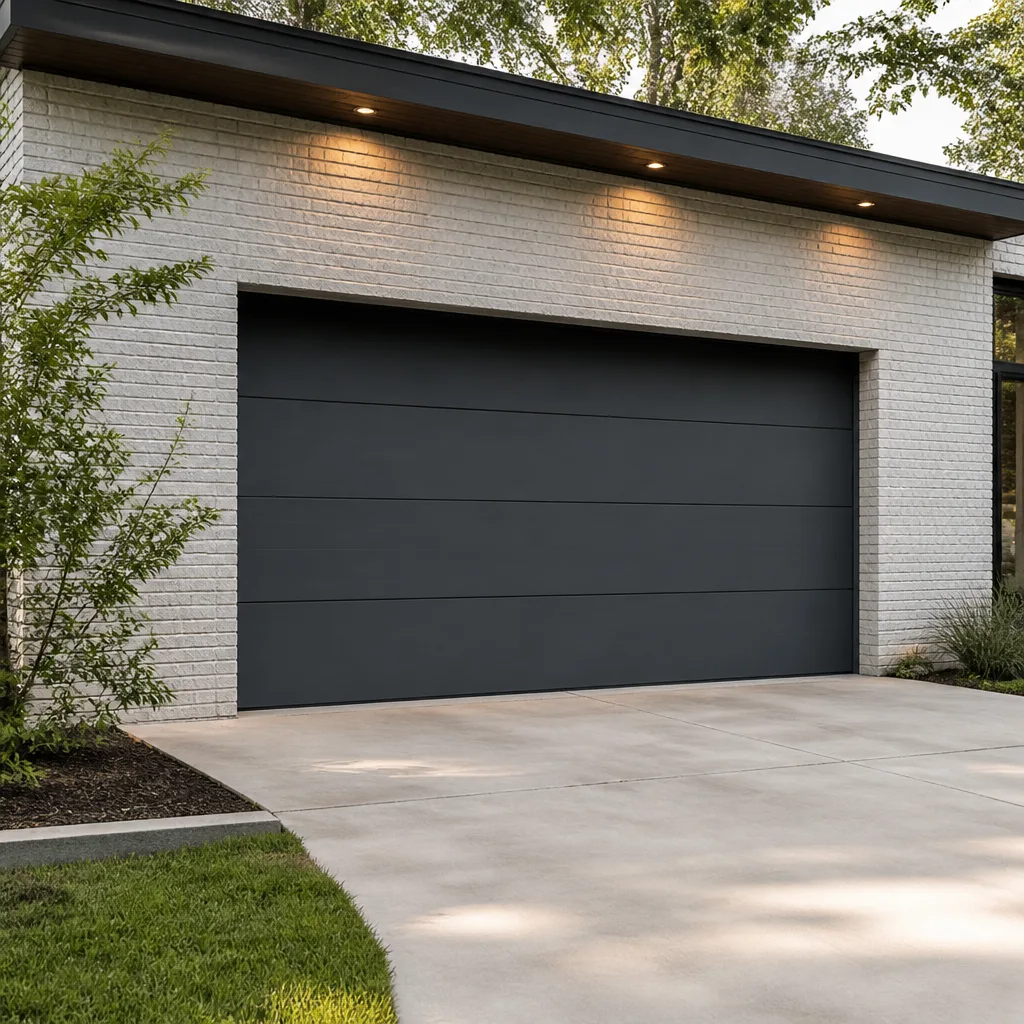 Modern flush
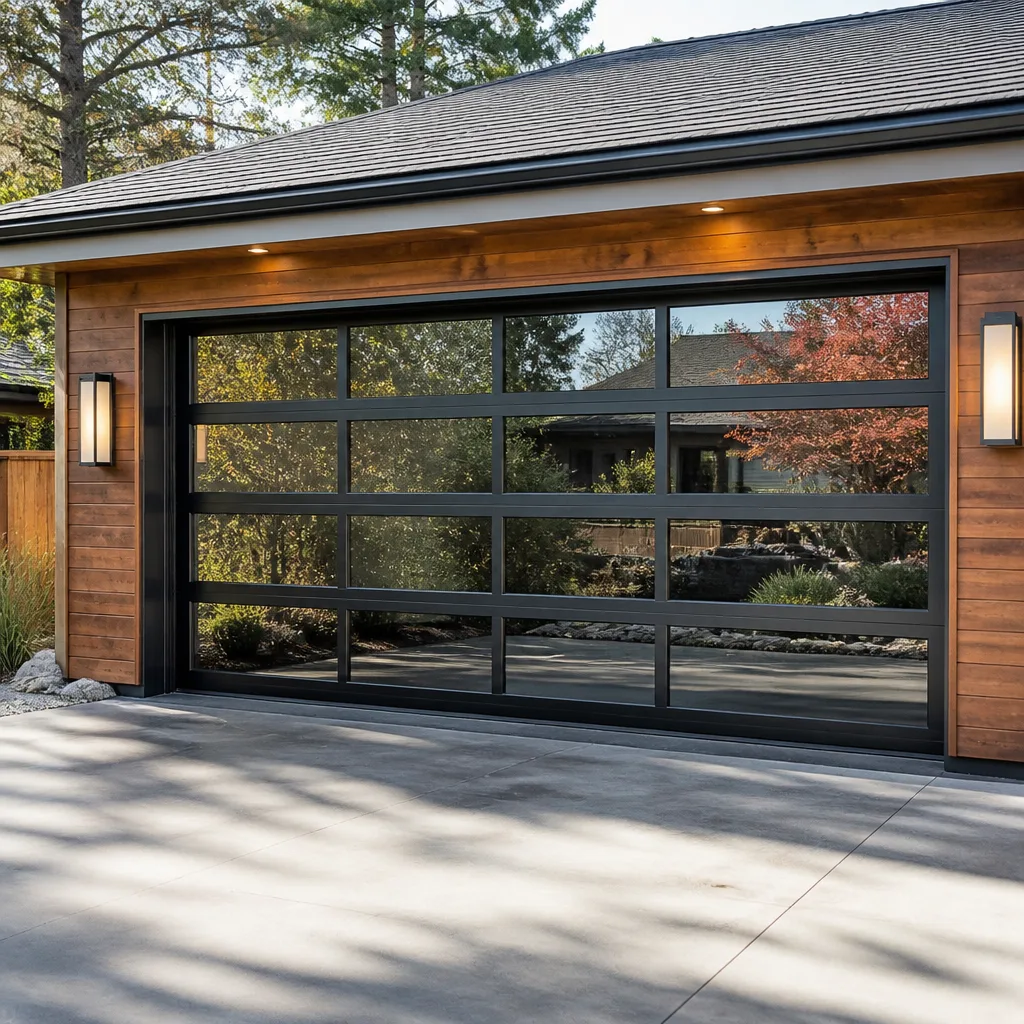 Full-view glass
 LiftMaster openers
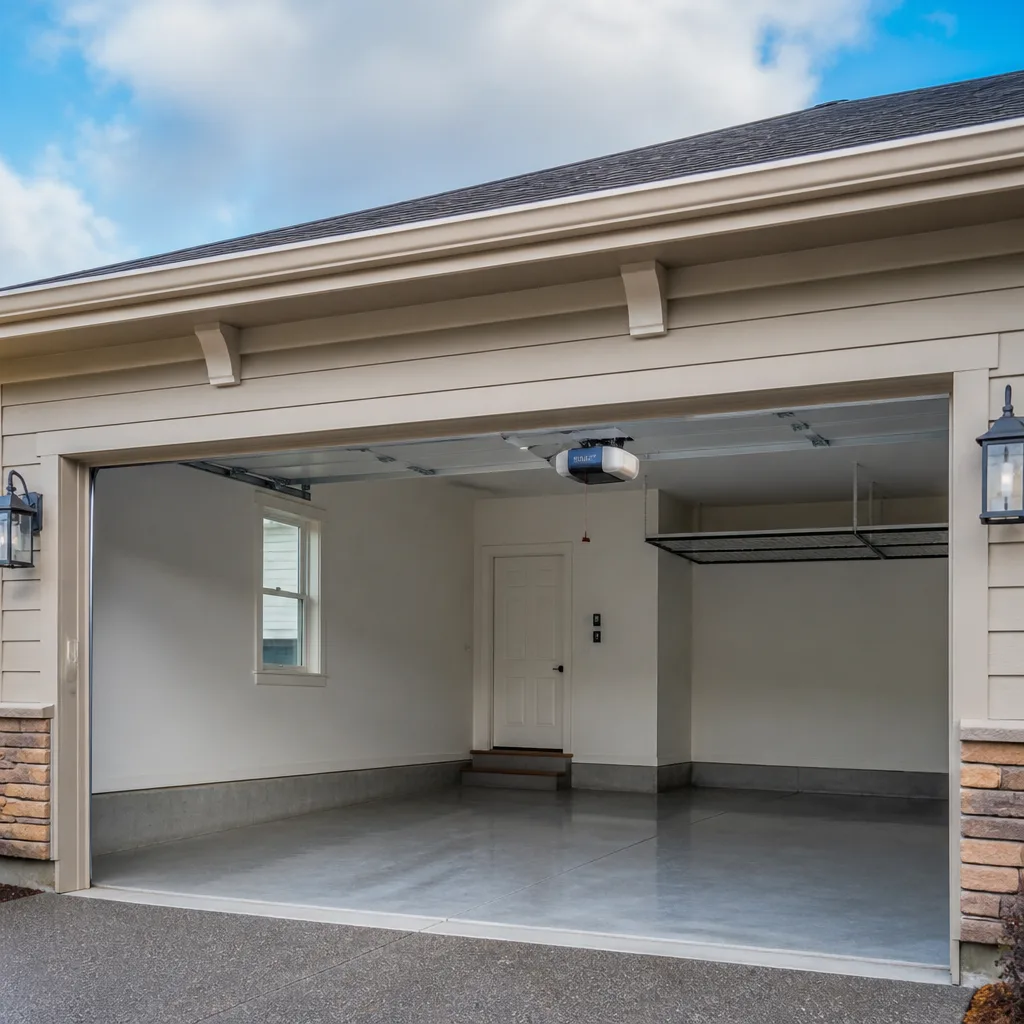 Chamberlain openers
Full 25-point door and opener safety check with every visit - springs, cables, rollers, tracks, and your LiftMaster or Chamberlain opener included
You get a price before we start. It does not change when the pro arrives.
Get your free estimateGarage Door Warning Signs: A Skokie Homeowner’s Reference Guide
Most warning-sign articles do one thing: they list symptoms. A door reverses. A spring pops. The opener hums but nothing moves. What they don’t tell you is which of those symptoms means “watch this” and which means “stop using the door tonight.” That gap matters, because a garage door is one of the few things in a house carrying serious stored mechanical energy every time it cycles. This guide treats each warning sign as a diagnostic entry point: what’s likely failing, how urgent it is, and whether you have days, weeks, or an emergency on your hands. We work on garage doors across Skokie every week, and the same handful of signs account for the vast majority of broken doors we see.
Skokie’s housing stock adds some local flavor to all of this. The village has a large concentration of mid-century ranch and split-level homes with single-car and two-car doors that saw decades of daily use before a single owner replaced anything. That means a lot of the doors and openers here are older than the cars in the driveway, and older equipment shows specific warning signs in specific order. Cold winters, wet springs, and heavy summer humidity also cycle through the wood and metal panels of these doors, and that seasonal movement loosens hardware, stretches springs, and puts stress on every moving part. The information below is organized so you can read a symptom, understand what it means, and make a reasonable decision in the next five minutes.
Quick Answer
The warning signs that demand immediate action are: a loud bang from the spring system, a door hanging crooked or rising unevenly, a snapped or slack cable, and any door that free-falls or slams instead of moving smoothly. Signs that can be watched for a few weeks include squealing, slow openers, small panel gaps, and the occasional inconsistent reversal. Most other warning signs fall somewhere in between and should get a professional diagnosis before they cause damage to the opener, the door, or the opener’s motor.
Styles & brands we work with
- Raised-panel steel
- Carriage house
- Modern flush
- Full-view glass
- LiftMaster openers
- Chamberlain openers
Table of Contents
- The Symptom-to-Cause Matrix: Reading Each Sign Correctly
- Torsion Springs and Cables: Signs That Mean Stop Now
- Why a Door That Reverses Before Closing Isn’t Always a Sensor Problem
- What the Sound Is Telling You: Grinding, Popping, Scraping, Rattling
- Why Intermittent Problems Are More Dangerous Than Consistent Ones
- Brand-Specific Warning Signs: LiftMaster, Chamberlain, Genie, and Craftsman
- The Two-Minute Balance and Safety Check You Can Do Yourself
- Seasonal Warning Signs in Skokie’s Climate and Housing
The Symptom-to-Cause Matrix: Reading Each Sign Correctly
Every observable symptom traces back to a short list of mechanical causes. What usually gets missed is that the symptom and the cause are often one step apart. A door that shakes could be a worn roller, a bent track, or a spring that’s lost half its tension. Which of those three is failing determines whether you can wait two weeks or need a call today. Here’s the breakdown we use in the field.
- Door reverses before fully closing → Most likely cause: the opener’s force limiter is sensing resistance because the door is out of balance. Second most likely: a misaligned safety sensor. Third: a worn bottom bracket. Urgency: medium. Investigate within a week; it usually gets worse fast.
- Door rises crooked or one side lags → One cable is stretched, kinked, or off its drum, or one spring has relaxed more than the other. Urgency: high. Stop using it.
- Loud bang from above, door won’t lift → A torsion spring broke. Urgency: emergency. Don’t run the opener.
- Squealing or grinding while moving → Dry rollers, dry hinges, or a motor with worn bushings. Urgency: low if it’s only sound; medium if the door slows during travel.
- Door shakes or vibrates during travel → A bent track, a misaligned panel, or a tired roller. Urgency: medium. It will usually worsen.
- Door doesn’t open at all, opener makes a hum but no motion → Broken drive gear, dead capacitor, or a snapped spring that’s left the door too heavy. Urgency: call for diagnosis; get the cause confirmed before running the motor again.
- Gap between door and floor when closed → The door is out of balance, the bottom seal is worn, or the limit switch on the opener needs adjustment. Urgency: low on warmth, medium on security and weather.
- Door slams shut instead of easing down → The opener’s down-limit is set too low or the springs are unbalanced. Urgency: high if there’s a pet or child in the house.
Symptoms that fall in the “medium” and “high” bands deserve the same treatment: get a diagnosis before running the door repeatedly. Every cycle under load wears the opener harder and can press a failing component further. If you’re not sure which band a symptom falls into, that’s the moment to garage door repair is worth calling about. A fifteen-minute visit will tell you whether the fix is tightening two bolts or replacing the spring assembly.
Torsion Springs and Cables: Signs That Mean Stop Now
The single most important warning sign on any garage door is anything happening to a torsion spring or a lift cable. Both components are under extreme tension every second they’re on a door, and both store enough energy to cause serious injury. There is no safe DIY fix for either. This is the advice we give every homeowner, whether the door is a Clopay, an Amarr, a Wayne Dalton, or something older.
Here’s how to tell when those two components are telling you to stop using the door:
- A bang you feel in the floor. When a torsion spring breaks, you hear a report almost like a small firecracker and the door becomes essentially unliftable by hand. It may still open if the opener has enough force, but you should not run it. The remaining spring is now bearing the full load alone.
- A visible gap in the spring coil. A torsion spring that’s about to break will often show a gap in the winding. Look at the spring bar across the top of the door with the door closed. If you see sections that look separated or a coil that looks like it’s unwinding, treat it as broken and don’t cycle the door.
- A slack or frayed cable on either side. Cables that have snapped, slackened, or come off their drum are the second big red flag. If one cable is loose, the opposite side of the door can drop suddenly when the door is next moved. Don’t touch it.
- A door that drops faster than usual on the last foot of travel. That’s a sign the spring has relaxed, either through breakage or failure of one spring in a pair. Any slam is a warning.
- A door that hangs crooked even when the opener is off. Pull the release handle, lift the door halfway by hand, and let go. If it sags or drops, the springs or cables are compromised.
If you’re seeing any of these, our advice is to keep cars in the driveway and call for garage door spring repair right away. Our technicians handle torsion and extension spring work as a specialty, not as an afterthought to something else. In Skokie’s climate, springs are cycled through cold winters and humid summers, and that seasonal swing does add wear over time. A spring that survived last winter isn’t automatically fine this spring.
Why a Door That Reverses Before Closing Isn’t Always a Sensor Problem
Most homeowners, and more than a few handymen, default to “it’s the safety sensors” the moment a door reverses on the way down. That assumption sends people down the wrong path. In our experience on Skokie doors, alignment or blockage at the sensors accounts for a smaller share of reversals than people expect. The more common cause is an out-of-balance door: worn or relaxed springs that let the door sag slightly, and the opener’s force limiter then reads the increased resistance as an obstacle and reverses. The door isn’t detecting anything on the floor; it’s detecting that the door itself has gotten heavier than it should be.
Here’s how to tell the two apart without pulling anything apart:
- Look at the sensors first. Both LED indicators on the sensor pods should be lit and solid. If one is off or flickering, or the lenses are cloudy with dust and cobwebs, that’s your issue. Clean the lenses and check that the sensors are aimed at each other.
- Check for a physical obstruction near the floor. A rake, a recycling bin, a bicycle wheel, a fallen branch. It’s easy to miss from inside a car.
- Run the door with the sensors taped off (open path) and listen. If it reverses at the same spot each time even with a clear sensor path, the cause isn’t detection. It’s the door itself.
- Pull the release and lift the door by hand. A properly balanced door can be lifted with one hand and stays put when you let go at any point. A door that feels heavy going up or drops when released is out of balance, and that’s what the opener is fighting.
- Look at the reversing point on the track. If the reversal always happens at the same spot, look for a bent track, a loose bracket, or a panel starting to bow.
When a Skokie homeowner gets that diagnosis right the first time, they usually avoid replacing a sensor that never had a problem and spend the money on what’s actually failing. If the balance test points to the springs, our Skokie Garage Door Repair Co team can confirm it on-site with the door under controlled load.
What the Sound Is Telling You: Grinding, Popping, Scraping, Rattling
Sounds are the most information-dense signal a garage door gives you, and they’re the most often ignored. Each sound has a fairly specific meaning and a specific urgency. Read the descriptions closely enough and you can usually hear which one you’re dealing with.
- Grinding – a low, coarse, continuous sound while the door is moving, like two rough surfaces being dragged against each other. Most likely: dry or seized rollers, dry hinges, or worn opener drive gears. If the grinding is coming from the opener head itself, the drive gear inside the opener is failing. Urgency: medium-low. Lubrication will quiet some of this; the rest needs a part.
- Popping – a single sharp pop each time the door moves, sometimes several in a row. Usually a hinge plate that’s loosened and is snapping past a screw thread, or a torsion spring that has started to crack. If the pop is from the torsion bar, treat it as urgent. If it’s from the door panels, it can be tightened.
- Scraping – a continuous metal-on-metal grind that changes with door position, usually worst in one spot. Almost always a door panel that’s begun to rub the track. This one gets worse fast; a scraper will gouge both the door and the track if left alone.
- Rattling or jingling – a windshield-shake sound during door travel. Loose bolts at the hinges and brackets. Low urgency, but worth tightening; a loose bracket can eventually pull free of the door panel.
- A single loud bang followed by silence and an unresponsive door – the torsion spring has broken. Nothing else sounds quite like this. Emergency call.
- Pinging or tapping from the opener housing itself – most common on older openers when the logic board or a relay is failing. Not urgent, but a sign the opener is on borrowed time.
- A short, repeating beep from the opener – that’s usually the opener’s self-diagnostic or its battery-backup alert. The pattern of the beep tells you which. Note the pattern before you call.
If your door is making a sound you can’t place, describe it to us by phone or note where on the door it’s coming from. Location plus sound type is usually enough to predict the diagnosis before we arrive, and that shapes what we bring.
Why Intermittent Problems Are More Dangerous Than Consistent Ones
A door that consistently fails at the same point is annoying. A door that works nine times out of ten and fails on the tenth is a genuine risk. The reason is simple: an intermittent problem usually means a component is on the edge of failure, and the failure comes without warning on exactly the day you’re rushing. A door that sticks at the same spot every time tells you where the problem is. A door that reverses once a week hasn’t shown you anything yet.
“It’s been working fine since” is the sentence we hear most from homeowners just before a bigger repair. Here’s what’s actually happening when a door works fine “since” the last failure:
- A safety sensor is drifting in and out of alignment. Sunlight, temperature, dust, or a bumped track can push it past the limit temporarily. It’ll come back when the alignment drifts again.
- A spring is cracked or one in a pair is failing. The door balances most of the time on the remaining spring, then doesn’t. The first symptom is a slam or a hard-to-close day.
- A limit switch or travel module is drifting. Openers with travel-limit settings can lose their calibration, and the door stops short or over-travels on one cycle and not the next.
- A loose bracket or roller is about to fail. It squeaks or scrapes on one cycle, then reseats itself. It’s on its way out.
- The opener’s force sensing is close to its threshold. One cold morning, one extra bit of weight, and it trips the reversal. It’s about to get worse, not better.
Every one of those conditions is treatable now and expensive after. Ruling out an intermittent problem is cheaper than repairing the secondary damage it causes. If you’ve had a door “work fine since” for more than a month after a one-time failure, that’s the moment to call for a diagnosis.
Brand-Specific Warning Signs: LiftMaster, Chamberlain, Genie, and Craftsman
Opener fault signals are not universal. A blinking LED on a LiftMaster opener is not telling you the same thing as a blinking light on a Genie or a Chamberlain. Our technicians are trained on all four of the openers that dominate Skokie residential installations, along with the doors themselves, and the brand matters for reading the signal correctly. Here’s what to look at for each brand family.
LiftMaster
LiftMaster openers use an LED fault code system on the motor unit, usually a repeating pattern of short and long flashes. The most common codes point to a safety-reversing error, an obstruction, or a motor or logic failure. Before calling, note the exact flash pattern. LiftMaster’s wall controls and battery-backup units also produce diagnostic patterns and won’t react the same way as a standard opener.
Chamberlain
Chamberlain is LiftMaster’s sibling brand and shares a lot of diagnostics, but the housing and the control board layout differ. Chamberlain openers are common on Skokie doors installed over the last two decades, and the “door reverses on close” symptom on a Chamberlain often points to the sensor alignment before it points to anything internal. Chamberlain’s travel-limit adjustment procedure is also easily disturbed by a bumped opener head.
Genie
Genie openers use a different indicator system entirely, often a small red or green LED on the rear panel or under the light cover that flashes a code based on the count of blinks. Genie’s force-sensing adjustments are managed with a screw or a control, and a door that reverses on Genie hardware is more often the force setting than the sensor. Older Genie screw-drive and chain-drive units develop specific sounds when the drive gear or the carriage wears.
Craftsman
Craftsman openers, especially the widely installed chain-drive units, frequently show their first warning sign as a hum-with-no-movement symptom. The most common cause is a plastic drive gear inside the opener that has failed, which is a repair rather than a replacement in most cases. Craftsman remotes and wall controls can also lose their pairing after a power surge, which shows up as “the opener won’t respond to the remote” and looks like a much bigger problem than it is.
Our garage door opener repair team carries the diagnostic knowledge for all four brands, so you’re not waiting for a technician to read a manual for a Chamberlain or Genie system. We also service the door side of the equation, which means a warning sign that turns out to be the door and not the opener gets handled by the same company.
The Two-Minute Balance and Safety Check You Can Do Yourself
This is the only diagnostic check we recommend homeowners perform without a professional. Everything else involves high-tension components that should only be handled by trained technicians. The balance test tells you whether the door is fighting the opener, which is the source of most reverse-on-close symptoms, opener strain, and premature motor failure.
- Fully close the door and check that nothing is near the tracks or the doorway path.
- Pull the red release handle to disconnect the opener from the door. The door should now be liftable by hand.
- Lift the door to about waist height slowly and stop. Let go. A properly balanced door stays where you leave it.
- Lift to halfway, stop, and let go. Same test: it should hold.
- Lift to just below fully open, stop, and let go. If it holds, the springs are balanced.
- If at any of those points the door drops, slams, or fails to stay put, the spring system or the cables are compromised. Don’t reconnect the opener and don’t cycle it further.
- Reconnect by pushing the release handle back in and running the door once with the opener to confirm the door has re-engaged.
What the test tells you: a door that fails at one point is loaded unevenly; a door that fails at every point has a spring that has fully relaxed. Both are spring issues. Neither is something to fix by turning the opener’s force setting up. If the door passes the balance test but still reverses or stops, the issue is in the sensing, the track, the rollers, or the opener itself. Skokie doors with newer springs and older openers often pass this test and still need opener attention, which tells you where to look next.
Seasonal Warning Signs in Skokie’s Climate and Housing
Skokie’s weather is not extreme by Midwest standards, but it cycles hard: wet springs, humid summers, dry stretches in fall, and freeze-thaw cycles in winter. Those cycles act on a garage door in predictable ways that shift what warning signs you see and when. This is the local part of the guide, and it’s the part general articles miss.
Spring (March through May). This is when we see the highest volume of spring failures. Cold winter cycling weakens springs, and the first warm stretch of March or April finds the cracks. Wet weather also swells wood doors and door seals, which can bind a door that closed fine in February. Watch for a door that suddenly needs a second try to close, or a slam on the last foot of travel.
Summer (June through August). Heat expands metal door panels and can cause scraping against the tracks, especially on doors that are tight to begin with. Humidity swells wood and makes rollers drag. This is the season of squealing and grinding more than it is the season of catastrophic failures. A quiet door in June is usually a quiet door in December.
Fall (September through November). The dry stretches and temperature swings of fall loosen hardware. This is when a bolt that was tight in July rattles. It’s also the season when most people notice intermittent reversal problems because the opener is working harder in cooler temperatures. It’s the most economical time of year to have a door tuned before winter.
Winter (December through February). Freeze-thaw cycles bind tracks, ice can lock rollers, and the opener works harder than any other time of year. A spring that was marginal in November is a spring that breaks in January. If you hear the door labor at all in December, addressing it before the deep cold saves you an emergency in a bad month.
Skokie’s housing mix matters here too. The village has a lot of doors that were installed decades ago and are still on their original springs, most commonly Clopay and Wayne Dalton doors on ranches and split-levels. Original springs have a limited cycle life, and by the time a door is old enough, the springs have usually been replaced at least once. If you don’t know when your springs were last replaced, the balance test will tell you whether they’re a problem right now.
Common Mistakes to Avoid
- Turning up the opener’s force setting to fix a reversal. If the door is out of balance, more force makes the opener run harder against a problem the springs should be solving. This is the most common way a cheap spring repair turns into an opener replacement.
- Greasing the springs. Torsion springs don’t need grease. Greasing a spring can trap grit and hide the cracks you need to see. Grease the rollers, the hinges, and the tracks lightly, never the springs.
- Assuming a reversal is the sensors. Before you go looking at sensor alignment, run the balance test. In Skokie doors, out-of-balance springs are just as likely to cause the reversal as a sensor issue.
- Waiting for an intermittent problem to become consistent. As covered above, “it’s been working fine since” is not evidence the problem is solved. It’s evidence the component is on the edge.
- Ignoring a door that has lost its weather seal. In Skokie winters, a gap at the bottom of the door pulls in cold air and lets mice and water into the garage. That gap also carries a lot of the weight of the door’s bottom section, so a worn seal is a symptom worth tracing.
- Buying a new opener without diagnosing the door. If your existing opener is 10 years old and the door won’t close, the problem may still be the door. Replacing the opener and leaving the springs untouched means the new opener fails sooner than the old one did.
- Assuming all openers explain themselves the same way. The blinking patterns on a LiftMaster, a Chamberlain, a Genie, and a Craftsman are different. Guessing at a Genie’s code with Chamberlain knowledge sends a lot of Skokie homeowners down the wrong diagnostic path.
See the difference
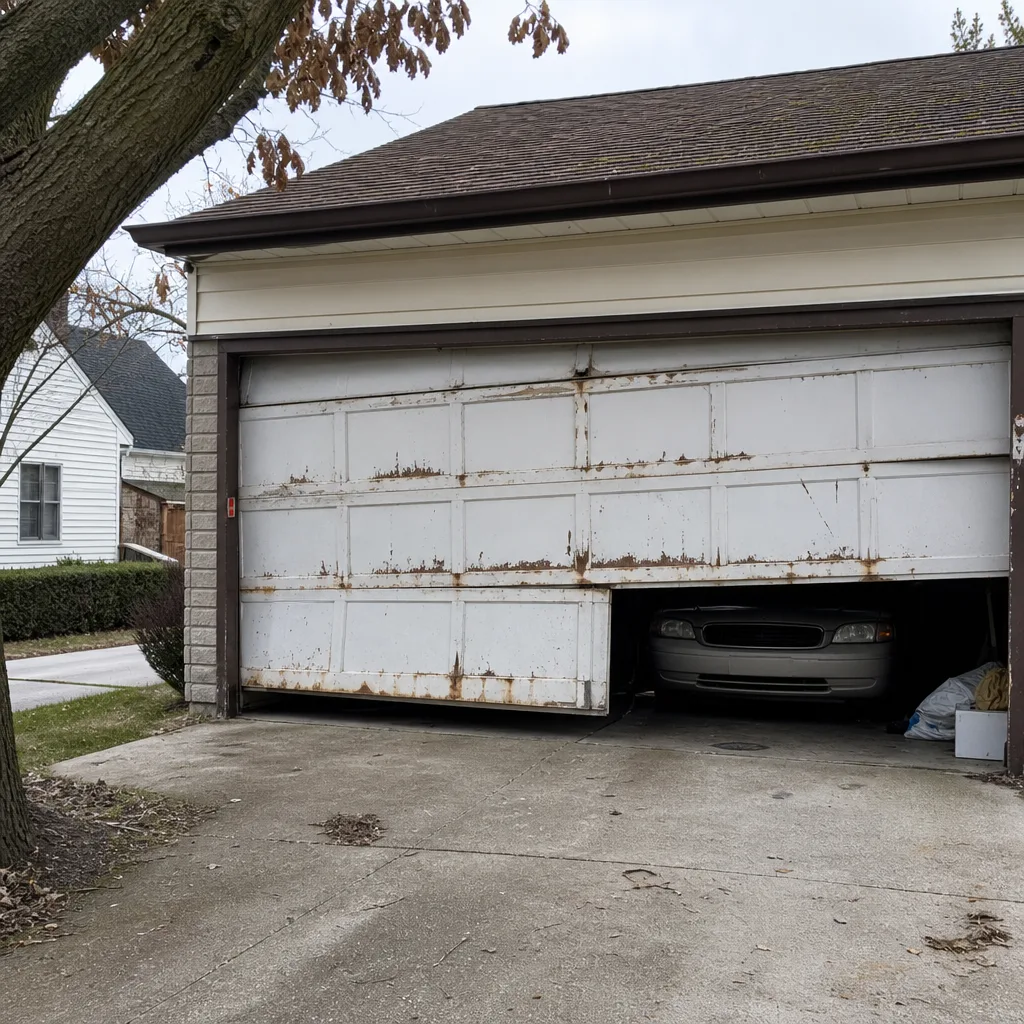 Before
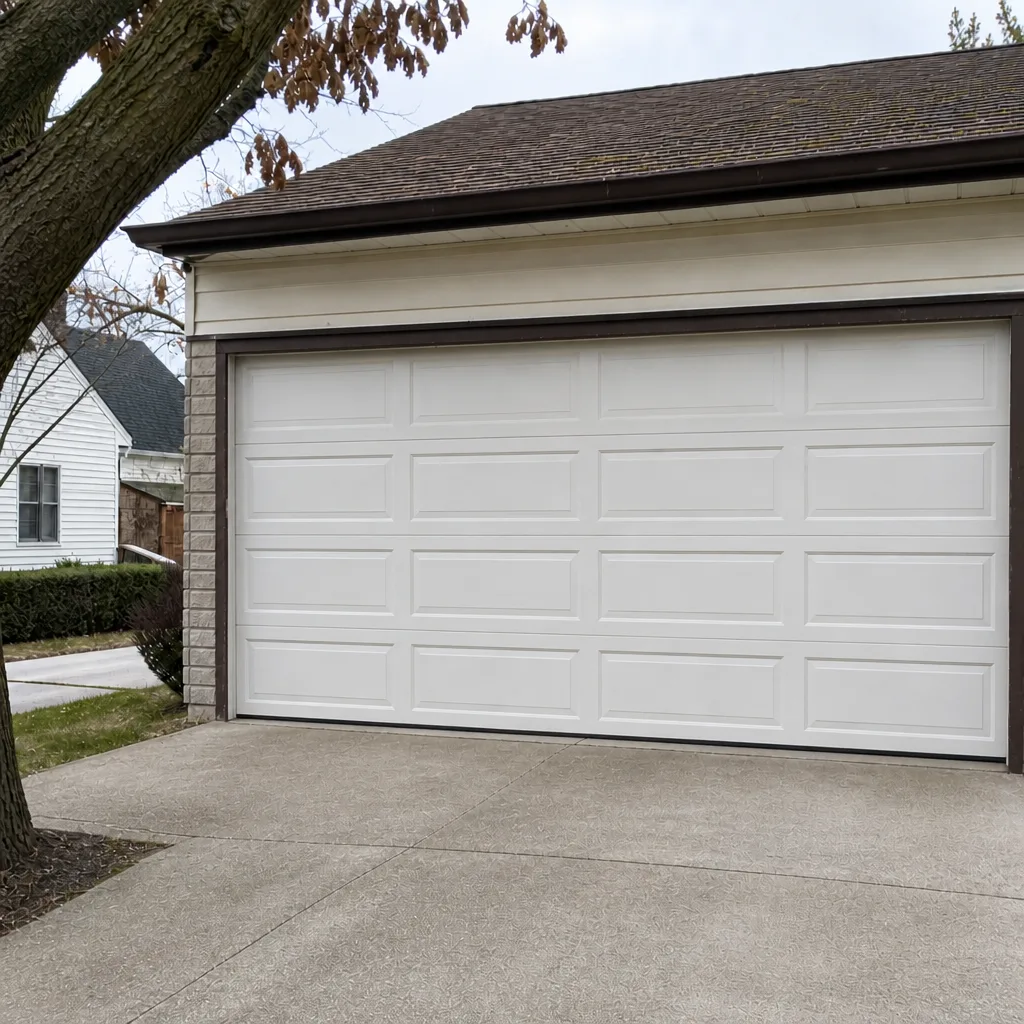 After
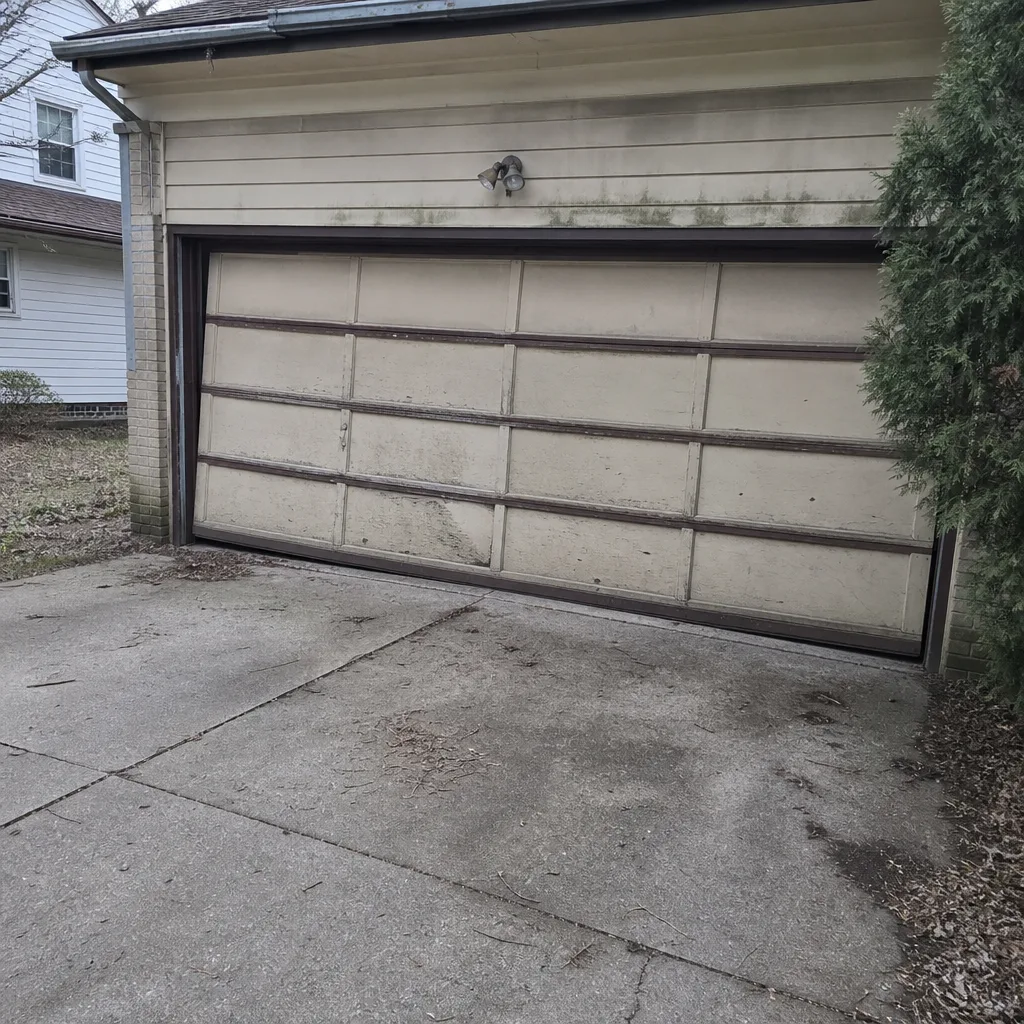 Before
 After
 Before
 After
When to Call a Professional
Call a professional for anything involving the springs, the cables, the torsion bar, or the electrical components inside the opener. Those four categories carry the serious risk of the trade, and none of them are a homeowner fix. Also call for a door that hangs crooked, a door that has stopped responding to the opener at all, a door with a panel that has begun to bow, or any door that has reversed on close more than once in a week. Intermittent symptoms, a fresh loud bang, a humming opener, and a door that has lost its balance are all reasons to get a technician out to look at the door under controlled load.
Skokie Garage Door Repair Co offers free estimates in Skokie, and we service the full range of brands that show up on residential installations: LiftMaster, Chamberlain, Genie, Clopay, Amarr, Wayne Dalton, Craftsman, and Raynor. We handle both the diagnosis and the fix, and if the repair turns out to be a replacement conversation, we handle that too without sending you to a second company. Call (844) 670-3544 for a free estimate.
Frequently Asked Questions
A loud bang from the torsion bar followed by a door that won’t lift by hand. That’s a broken torsion spring. Stop using the door immediately; the remaining spring is bearing twice its intended load. Call (844) 670-3544 for emergency service; we treat broken springs as a time-sensitive repair, not a next-week appointment.
Contrary to the common assumption, it’s usually not the safety sensors. The most common cause is an out-of-balance door putting resistance against the opener’s force limiter, which reads the resistance as an obstacle and reverses. Check the sensors and clean them first, but if the reversal repeats with a clear sensor path, run the two-minute balance test. If it fails, you have a spring problem, not a sensor problem.
Yes. The local professionals we connect you with are licensed and insured as their state requires, and every job is quoted and agreed before any work begins. If a diagnosis turns up something the original estimate didn’t cover, you’ll hear about it before we pick up a tool. Call (844) 670-3544 for a free estimate.
For broken springs, doors that won’t close, and stuck doors, we prioritize same-day service and offer emergency garage door service for Skokie. Spring replacement and opener work are the two categories that most often need immediate attention, and both are core to what we do. Call (844) 670-3544 and describe what the door is doing; we’ll tell you what to expect.
Run the balance test with the opener disconnected. If the door is easy to lift by hand and stays where you leave it, the door is balanced and the problem is likely in the opener. If the door is heavy, slams, or won’t hold position, the door and its springs are the priority. Only after the door is verified balanced can the opener be diagnosed correctly.
The written estimate you receive before any work starts is the price you pay. If a full diagnosis reveals a larger problem than the call suggested, we stop, explain what we found, and quote the new number before continuing. You will not get an invoice that doesn’t match the quote. Call (844) 670-3544 for a free estimate.
The Bottom Line
Not every garage door warning sign is an emergency, but every warning sign is information. A reversal, a sound, a crooked hang, a slow cycle: each of them tells you what’s likely failing and how quickly it needs attention. The signs you should never treat as “wait and see” are the ones tied to springs and cables, since those components carry serious stored energy and there is no safe homeowner fix for them. The signs you can monitor for a week or two are the ones tied to rollers, hinges, seals, and the opener’s logic. Distinguishing between the two saves money and prevents injury. Your door has to work tomorrow; on Skokie’s older housing stock, that means paying attention to the balance test, the sounds, and the seasonal shifts that push old components harder than they expected.
If a warning sign on your Skokie door has you unsure which category it falls into, that’s what we’re here for. Skokie Garage Door Repair Co works on all the major brands, handles spring and opener work as a specialty, and offers free estimates. Call (844) 670-3544 and describe what you’re hearing or seeing. In most cases we can tell you what the diagnosis is likely to be before we arrive, so you can decide what to do next.
Written by the team at Skokie Garage Door Repair Co.