Last updated November 23, 2026
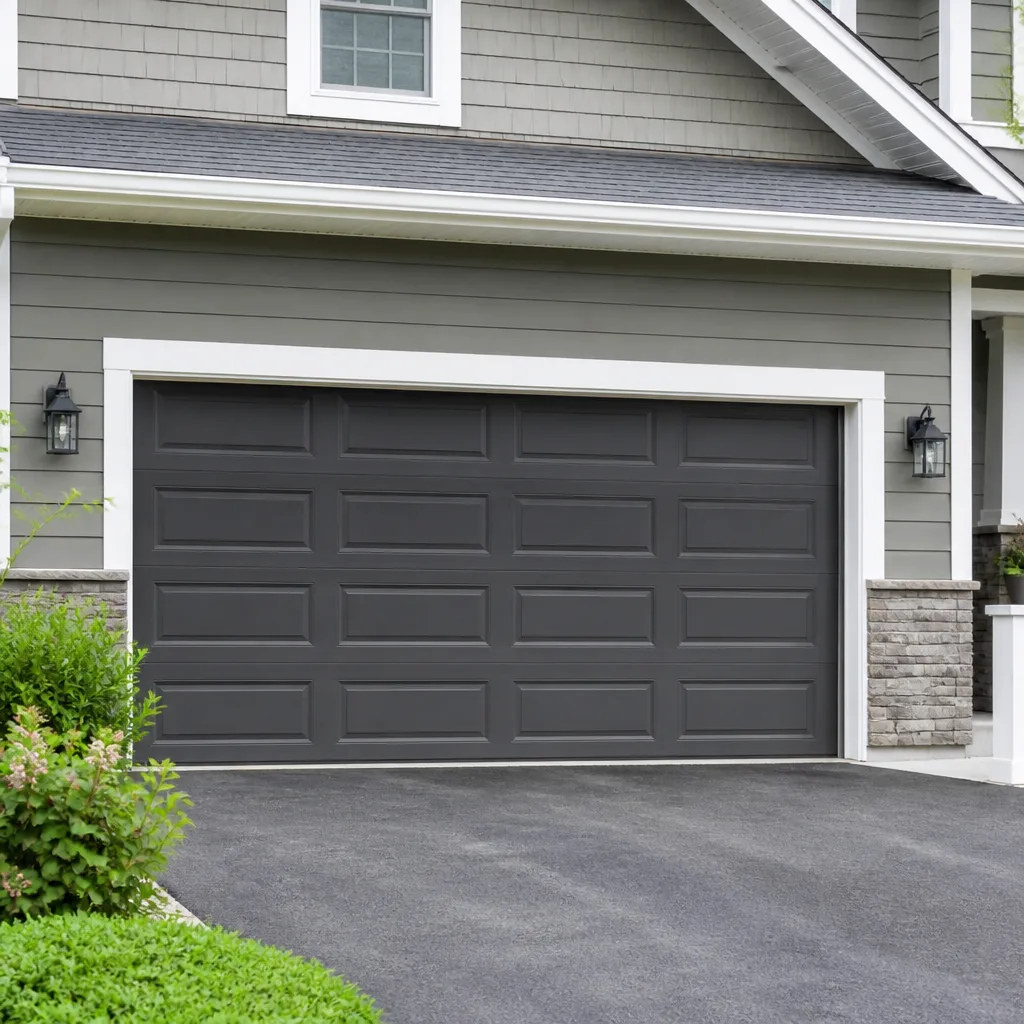 Raised-panel steel
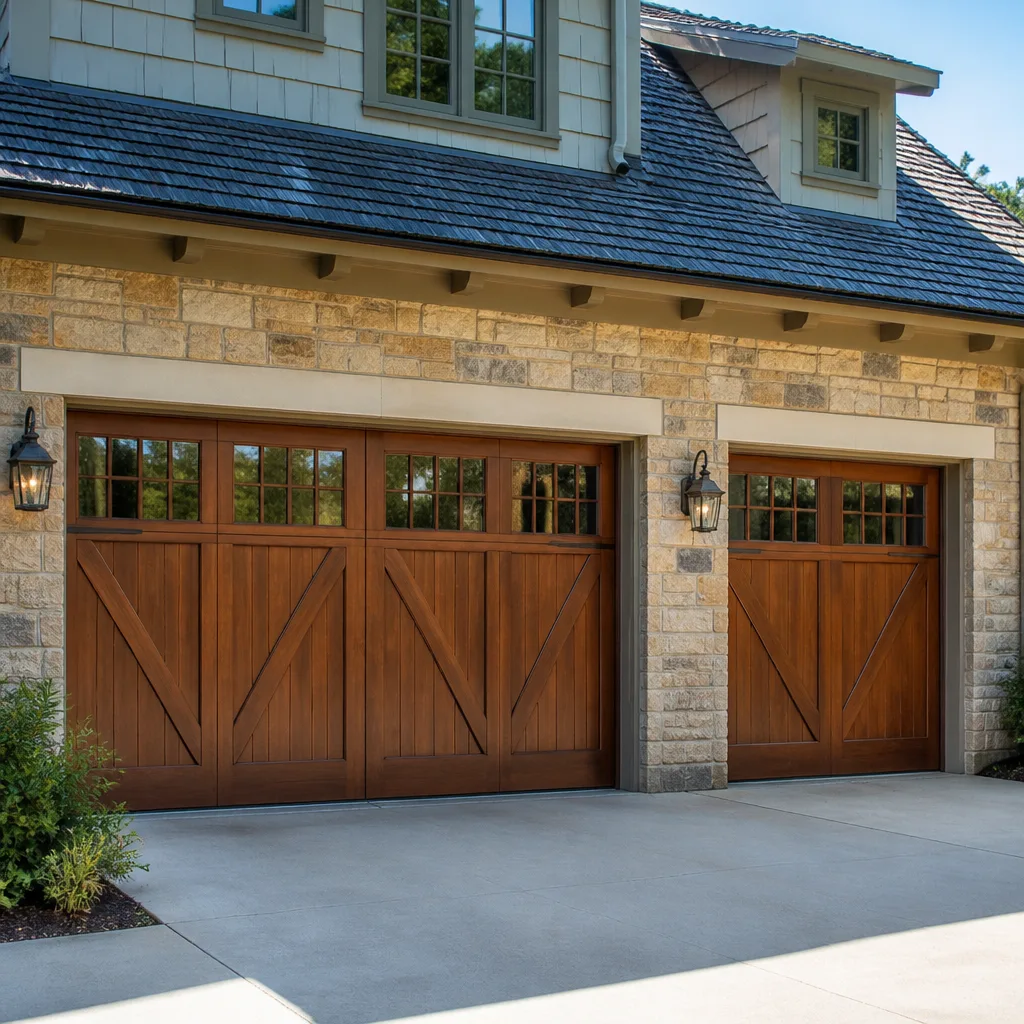 Carriage house
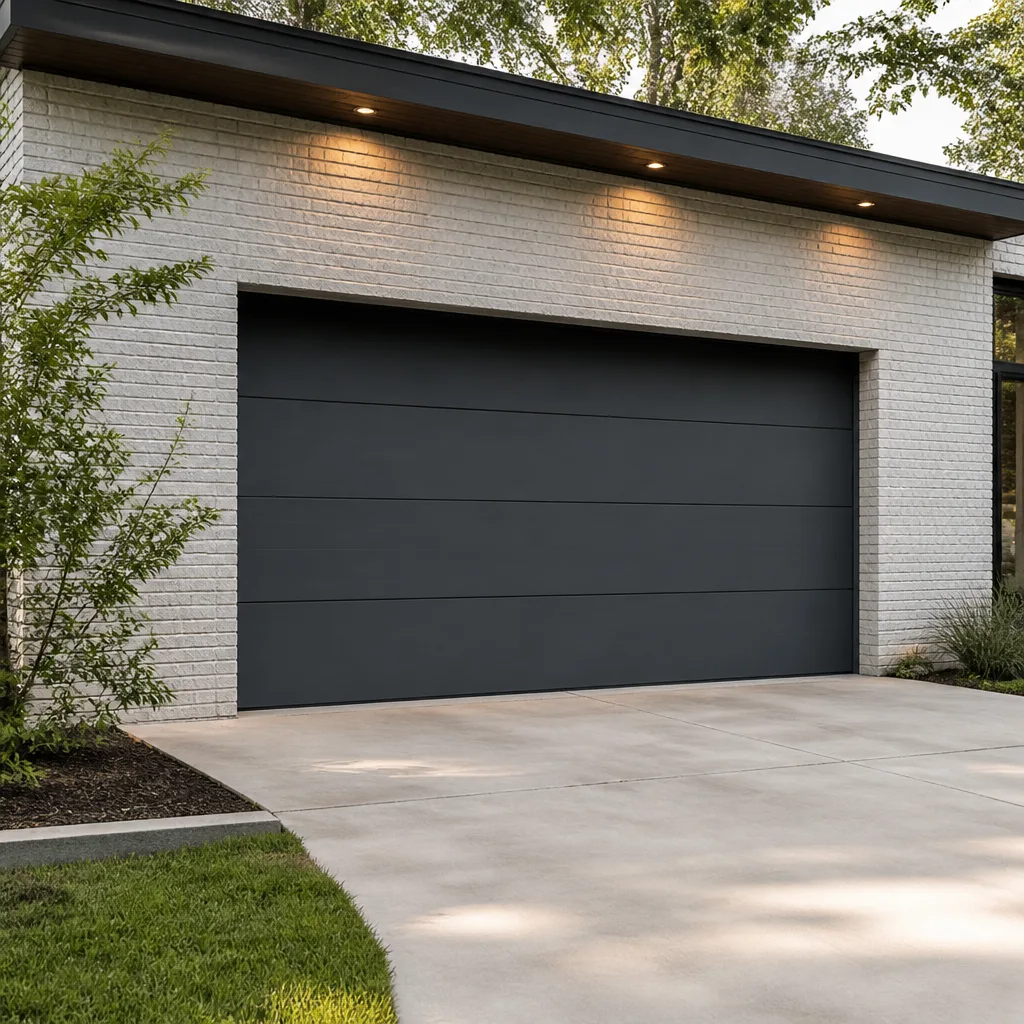 Modern flush
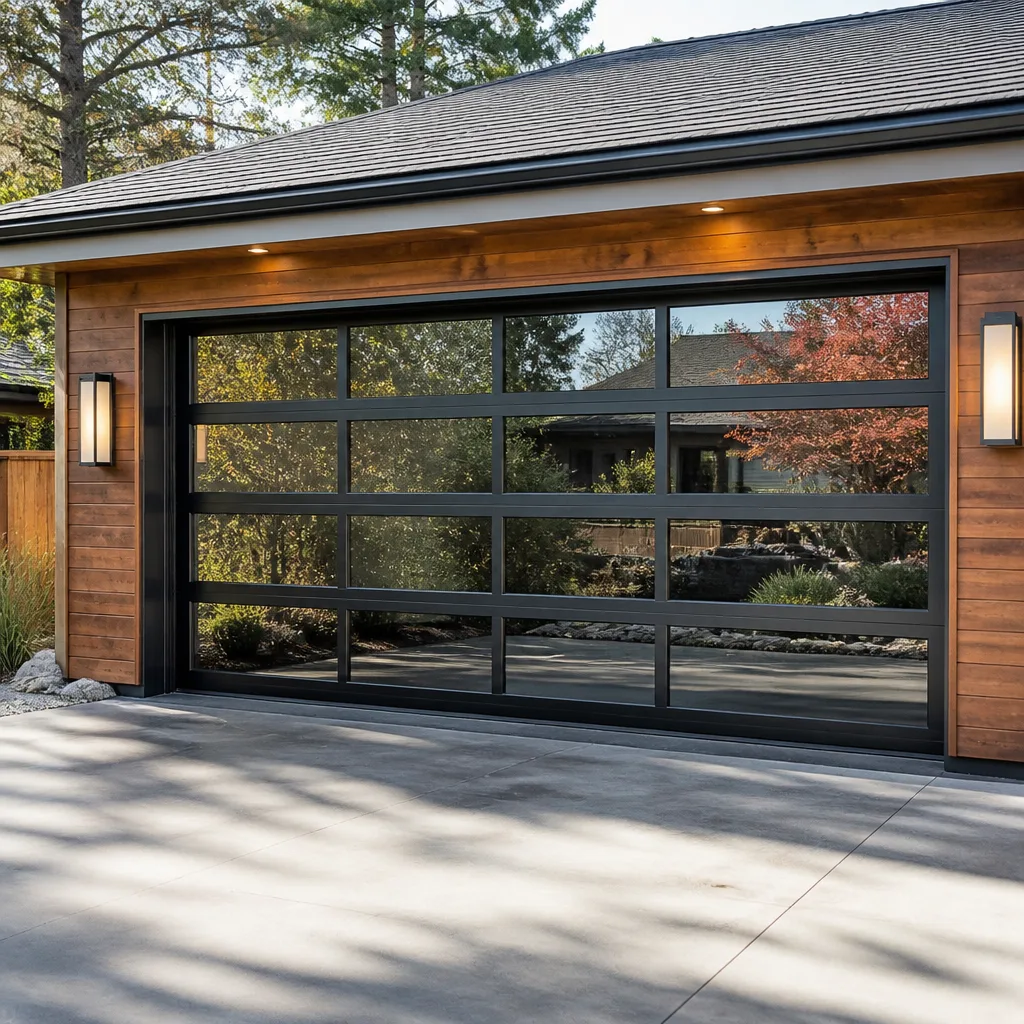 Full-view glass
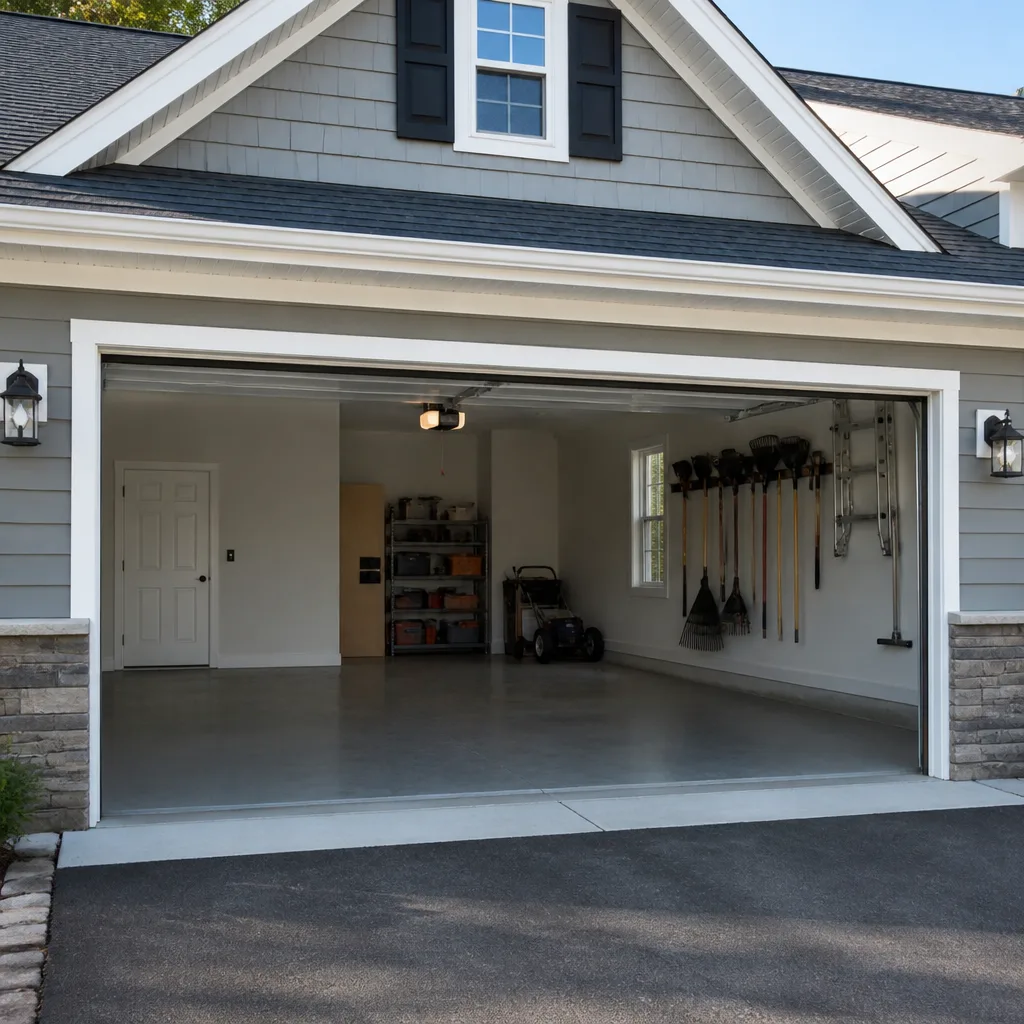 LiftMaster openers
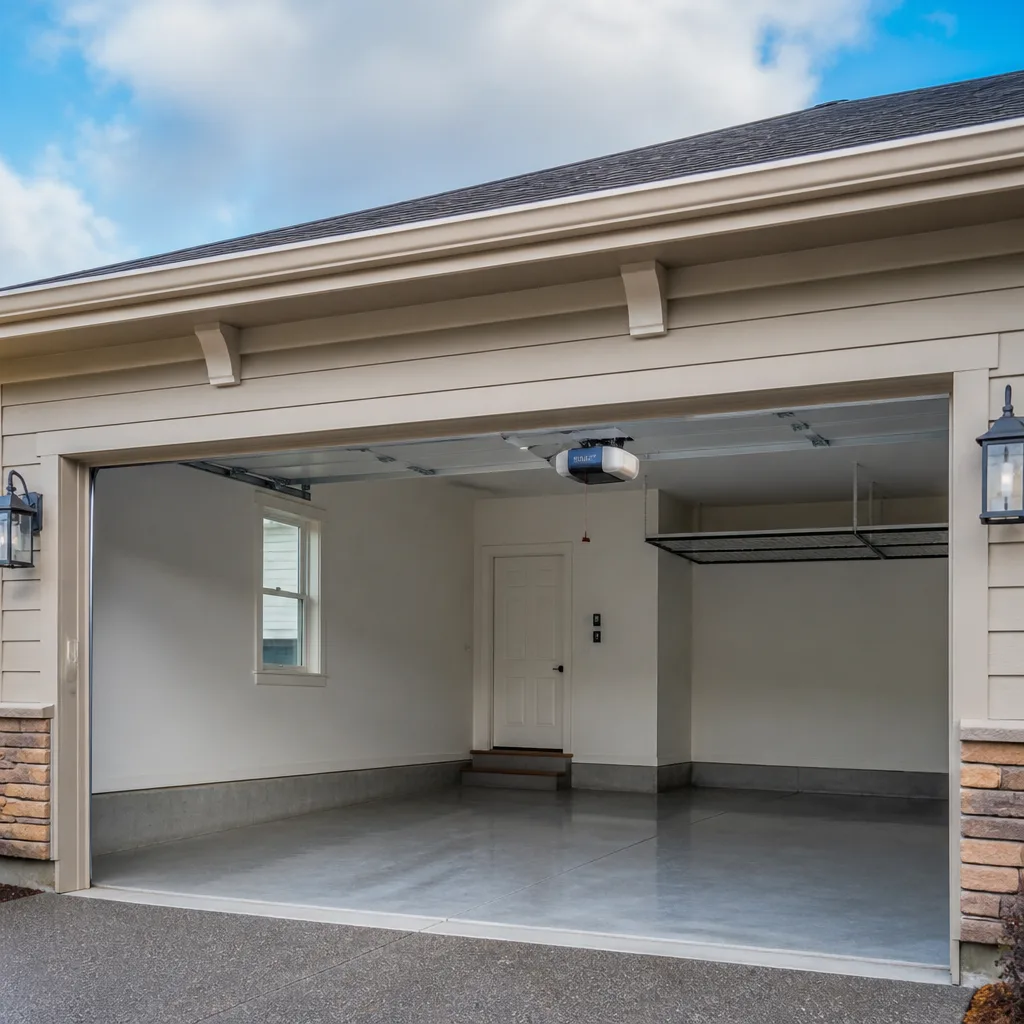 Chamberlain openers
Full 25-point door and opener safety check with every visit - springs, cables, rollers, tracks, and your LiftMaster or Chamberlain opener included
You get a price before we start. It does not change when the pro arrives.
Get your free estimateChoosing the Right Garage Door Brand: A Buyer’s Guide for Skokie
Most homeowners shopping for a garage door start with the name they see advertised the most. That’s the wrong first question. The brand that matters in Skokie is the one with local parts and panel availability, technicians nearby who actually know the system, and steel specs that survive a northern Illinois winter. Pick a brand with no local distributor and the next time you need a replacement panel after an alley dent or a specific hardware part, you’re waiting two to three weeks for a national ship – which is a real problem when your door won’t close in February. This guide walks through the brands installed most in Skokie, how their steel and insulation compare, what their warranties actually cover, and how to match a style to your home without overpaying for upgrades that don’t hold their value.
Quick Answer
For most Skokie homes, the best garage door brand is the one with local parts and panel availability plus specs suited to our climate, not simply the most advertised name. Clopay, Amarr, Wayne Dalton, and CHI all have workable distribution in the Chicago metro and solid steel options, while LiftMaster, Chamberlain, Genie, and Craftsman dominate the openers that run them. Choose by panel availability, steel gauge, insulation type, and warranty terms for your specific home before you choose by logo.
Styles & brands we work with
- Raised-panel steel
- Carriage house
- Modern flush
- Full-view glass
- LiftMaster openers
- Chamberlain openers
Table of Contents
- Why Local Parts Availability Matters More Than the Logo
- The Brands Installed Most in Skokie and the North Shore
- Steel Gauge Explained: What 24 vs. 25-Gauge Means for Dent Resistance
- Insulation Performance: Polystyrene vs. Polyurethane
- Warranty Terms Decoded: Panels, Springs, and Hardware
- Matching Brand Aesthetics to Skokie Home Styles
- Opener Brands and How They Pair With Your Door
- How to Decide: A Step-by-Step Checklist
Why Local Parts Availability Matters More Than the Logo
The single most useful question in garage door shopping isn’t which brand is biggest. It’s this: when a panel gets dented or a hinge fails, how fast can a local pro get the replacement? That answer separates brands that serve Skokie well from brands that look great in a brochure but leave you waiting on a national warehouse. A door that won’t close is a security issue and an access issue at the same time, and a two-to-three-week part delay turns a minor repair into a genuine problem.
Here’s what local availability actually affects:
- Replacement panels: A dented or damaged section can often be swapped without replacing the whole door – but only if the matching panel is available regionally. Discontinued or long-lead panels force a full replacement.
- Hardware parts: Hinges, rollers, brackets, and bottom seals are wear items. Common brands carry these locally; niche brands don’t.
- Color and profile matching: Panels fade and styles change. A brand with steady regional distribution is more likely to still stock a match a few years down the road.
- Technician familiarity: A brand that local technicians work on every week means faster diagnosis and fewer surprises. That’s the core of good garage door repair.
In our experience across Skokie, the brands with the smoothest parts access in the Chicago metro are the ones you see on the most driveways. That’s not a coincidence – distribution follows demand. When you weigh a brand, ask your installer directly: where does the replacement panel ship from, and how long does it take? A straight answer tells you a lot about how the next repair will go.
The Brands Installed Most in Skokie and the North Shore
The Skokie and North Shore market is dominated by a handful of garage door brands, and each has strengths worth knowing before you commit. This isn’t a ranking of which is “best” in the abstract – it’s a look at how each fits a Skokie home and how easy it is to service locally.
Clopay
Clopay is one of the most widely installed residential brands in the Chicago area, which makes panels and parts easy to source regionally. The line spans basic steel doors up to insulated, carriage-style options, so it covers a wide range of budgets. For a Skokie homeowner who wants a repair to be straightforward a few years down the road, broad local availability is a genuine advantage.
Amarr
Amarr builds a strong mid-market steel door with good insulation options and a range of classic profiles that suit brick ranches and colonials. Distribution in the metro is solid, so common parts and panels aren’t hard to get. It’s a practical pick when you want proven construction without paying for a premium name.
Wayne Dalton
Wayne Dalton is common on North Shore homes, and its panel and hardware availability is generally reliable in the region. It’s a brand local technicians see often, which means diagnosis and repair tend to go smoothly. If your existing door is a Wayne Dalton, staying with the brand for a replacement keeps panel matching simple.
CHI
CHI has grown in popularity for its full-view and modern profile options as well as traditional steel doors. Availability is good in the Chicago market, and it’s a solid choice for homeowners who want a specific look. As with any brand, confirm regional panel access before you commit to a less common profile.
Whichever brand you lean toward, the deciding factors are the same in Skokie: does it have local distribution, do nearby technicians know it, and does the steel and insulation spec fit your home? A brand that wins on all three is the right brand for you, regardless of how much it advertises.
Steel Gauge Explained: What 24 vs. 25-Gauge Means for Dent Resistance
Steel gauge is the spec most buyers skim past, and it’s one of the ones that matters most on a Skokie property with tight parking or an alley approach. Here’s the counterintuitive part: a lower gauge number means thicker steel. So 24-gauge is thicker and more dent-resistant than 25-gauge, even though 25 sounds like “more.” Brands at similar price points often differ here, and it’s where budget doors quietly cut corners.
What that difference looks like in practice:
- 25-gauge steel: Thinner and lighter. Fine for a low-traffic door that isn’t bumped, but more prone to dents from a stray basketball, a tight parking job, or an alley that sees regular maneuvering.
- 24-gauge steel: Noticeably more resistant to impact. A better fit for a home where cars park close to the door or where kids play in the driveway.
- Section construction: Thicker steel paired with good section design resists denting and flexing better than gauge alone. Ask how the sections are reinforced, not just the gauge.
On a brick ranch in Skokie with a narrow driveway, the door takes more incidental contact than on a home with a wide turnaround. That’s exactly the situation where stepping from 25- to 24-gauge steel earns its keep. It adds cost up front and saves you the patchwork of dented panels later. When you compare two brands at the same price, check the gauge – one may be giving you a thicker door for the same money, and that’s a straightforward win.
Insulation Performance: Polystyrene vs. Polyurethane
Insulation type matters more in Skokie than in milder climates because an attached garage shares walls with the house, and a cold garage pulls heat from the rooms above and beside it. Two construction methods dominate: polystyrene (often called styrene) and polyurethane. The honest comparison comes down to how they’re built, not just an R-value number on the box.
Polystyrene
Polystyrene panels are typically glued or fitted into the door sections. It’s the more affordable option and offers a useful layer of insulation, but it doesn’t fill the section as densely and the R-value is generally lower. For a detached or unconditioned garage where you mostly want to cut drafts, it’s often enough.
Polyurethane
Polyurethane is injected as foam that bonds to the steel and fills the section completely, which gives a higher R-value and a stiffer, quieter door. It costs more, but on an attached Skokie garage where the door faces the house, that extra insulation reduces heat loss and drafts noticeably. The door also feels more solid and runs quieter.
Keep your R-value expectations honest. A polyurethane door will outperform a comparably priced polystyrene door, but no garage door turns an unheated garage into living space. Buy insulation to reduce heat loss, cut drafts, and quiet the door – not because a higher number on the label will transform the room. Match the insulation level to how the garage is actually used, and you’ll spend your money where it counts.
Warranty Terms Decoded: Panels, Springs, and Hardware
“Limited lifetime” on a garage door warranty can mean almost anything, so read the fine print before you buy. The word “limited” is doing a lot of work. Different brands split coverage across panels, springs, and hardware very differently, and the exclusions matter as much as the term length. Here’s how to read a warranty across Clopay, Amarr, Wayne Dalton, and CHI.
What to check on each part:
- Panels: Look for whether the finish (paint or color) is covered separately from the steel, and for how long. Rust-through coverage is often longer than cosmetic finish coverage.
- Springs: Spring coverage varies widely. Some brands cover springs for a set number of cycles; others treat them as wear items with limited coverage. Ask for the cycle rating and the warranty term together.
- Hardware: Hinges, rollers, and fasteners are usually covered for a shorter period than panels. Know which parts fall under the shorter term.
What commonly voids a warranty:
- Improper installation or installation that doesn’t follow the manufacturer’s instructions.
- Painting or refinishing the door in a way the manufacturer doesn’t allow.
- Failure to maintain the door – lubrication and hardware checks are often required.
- Modifying the door or adding an opener or hardware not approved for that door.
- Damage the manufacturer classifies as misuse or impact, like a car bump or storm debris.
The takeaway for Skokie buyers: ask each brand’s dealer to spell out panel, spring, and hardware coverage separately, then ask what voids it. A warranty you understand is worth more than a long term you don’t. And when a spring fails, the coverage is only as good as the local technician who can get the right part – which is why trained spring work matters, alongside any paper guarantee.
Matching Brand Aesthetics to Skokie Home Styles
Skokie has a recognizable mix of housing – brick ranches, colonials, and split-levels – and the right door style depends on which you own. The goal is a door that looks like it belongs, not a designer showpiece that costs more than the house’s style supports. Here’s how to match brand aesthetic options to common Skokie homes without overspending on upgrades that don’t affect resale.
Brick ranches
Brick ranches suit clean, low-profile steel doors with simple raised panels or a flush modern profile. A medium steel gauge in a color close to the brick reads as intentional and timeless. Carriage-house style can work on a ranch with the right proportions, but it’s easy to overdo the decorative hardware – keep the trim minimal on a modest facade.
Colonials
Colonials carry traditional raised-panel doors well, especially with window inserts that echo the house’s windows. Brands with strong traditional profiles and color options fit naturally here. This is where a modest style upgrade – a window row or a classic panel – earns its keep because it matches the symmetry of the home.
Split-levels
Split-levels often have a prominent garage face, so a well-proportioned door in a clean profile works better than an ornate one. Focus on a solid, quiet, well-insulated door that fits the architecture rather than chasing a look that suits a different home.
The pattern across all three: match the profile to the house, keep decorative upgrades modest, and spend on steel gauge and insulation before you spend on looks. A thicker, better-insulated door with a simple style ages well and holds its appeal. Design extras that don’t match the home’s style are the easiest money to waste on a garage door in Skokie.
Opener Brands and How They Pair With Your Door
The door and the opener are a system, and the brands that dominate residential installations in Skokie are LiftMaster, Chamberlain, Genie, and Craftsman. When you choose a door, the opener that lifts it should match the door’s weight and size. A heavier, insulated polyurethane door needs a stronger opener than a lighter steel door, and a technician who knows your specific opener brand avoids the generic guesswork that turns a simple fix into a repeat visit.
What to weigh when pairing an opener:
- Lift capacity: Match the opener’s rated capacity to the door’s weight and size. An undersized opener strains and fails early.
- Belt vs. chain drive: Belt drives run quieter, which matters on an attached garage beneath bedrooms.
- Smart features: LiftMaster, Chamberlain, and Genie all offer connected openers. Choose based on how you actually use the garage, not on features you won’t touch.
- Safety features: A working safety reverse and photo-eye are non-negotiable. These are what stop the door if something’s in its path.
We service openers from all four of those major brands, so whether your existing opener is a LiftMaster or a Genie, we start by knowing the system rather than troubleshooting blind. When an opener starts acting up, professional garage door opener repair usually finds the real cause faster than swapping parts. And a well-matched opener protects the door you just bought – which is the point of pairing them intentionally.
How to Decide: A Step-by-Step Checklist
Put the criteria above in order and the choice gets simple. Here’s a numbered process you can work through before you commit to a brand in Skokie.
- Check local parts availability first. Ask where replacement panels and hardware ship from and how long they take. Honor this over advertising.
- Match the steel gauge to your home. Tight alley access or close parking calls for 24-gauge; a low-traffic door can do fine with 25-gauge.
- Choose insulation by construction. Polyurethane fills the section and suits an attached garage; polystyrene is enough for a detached one.
- Read the warranty across all three parts. Separate panel, spring, and hardware coverage, then confirm what voids it.
- Match the style to your house type. Ranch, colonial, or split-level each favor a different profile. Spend on gauge and insulation before looks.
- Pair the right opener. Match capacity to the door, choose quiet drive for attached garages, and keep safety features working.
- Confirm the pro knows your brand. A technician who works on your specific door and opener every week is worth more than a generalist.
Work through that list and you’ll notice the brand decision mostly makes itself. When a brand wins on parts availability, gauge, insulation, and warranty for your home, it’s the right pick – and a local pro who recognizes the system makes every future repair easier.
Common Mistakes to Avoid
- Choosing by ad spend, not availability. The most advertised brand isn’t always the easiest to get parts for locally. A fantastic-looking door with a two-to-three-week panel lead time leaves you exposed when it matters.
- Ignoring steel gauge at the same price point. Two doors can cost the same and differ in gauge. On a Skokie driveway with tight parking, the thinner door dents first – check the gauge before you compare looks.
- Over-insulating a garage you don’t heat. A high-R-value polyurethane door is money well spent on an attached garage and overkill on a detached one you rarely heat. Match the insulation to how you use the space.
- Skimming the warranty. “Limited lifetime” means different things across Clopay, Amarr, Wayne Dalton, and CHI. Ask about panel, spring, and hardware coverage separately, and confirm what voids each.
- Buying designer upgrades that don’t fit the house. Ornate carriage hardware on a modest ranch can look out of place and won’t help resale. Match the profile to the architecture instead.
- Pairing a heavy door with an undersized opener. An insulated polyurethane door needs the right lift capacity. A strained opener fails early and can damage the door.
- Letting a generalist touch high-tension springs. Springs are under extreme tension and are one of the most dangerous parts of any home. Trained technicians should handle them – not a general handyman, and certainly not a homeowner taking on the repair.
See the difference
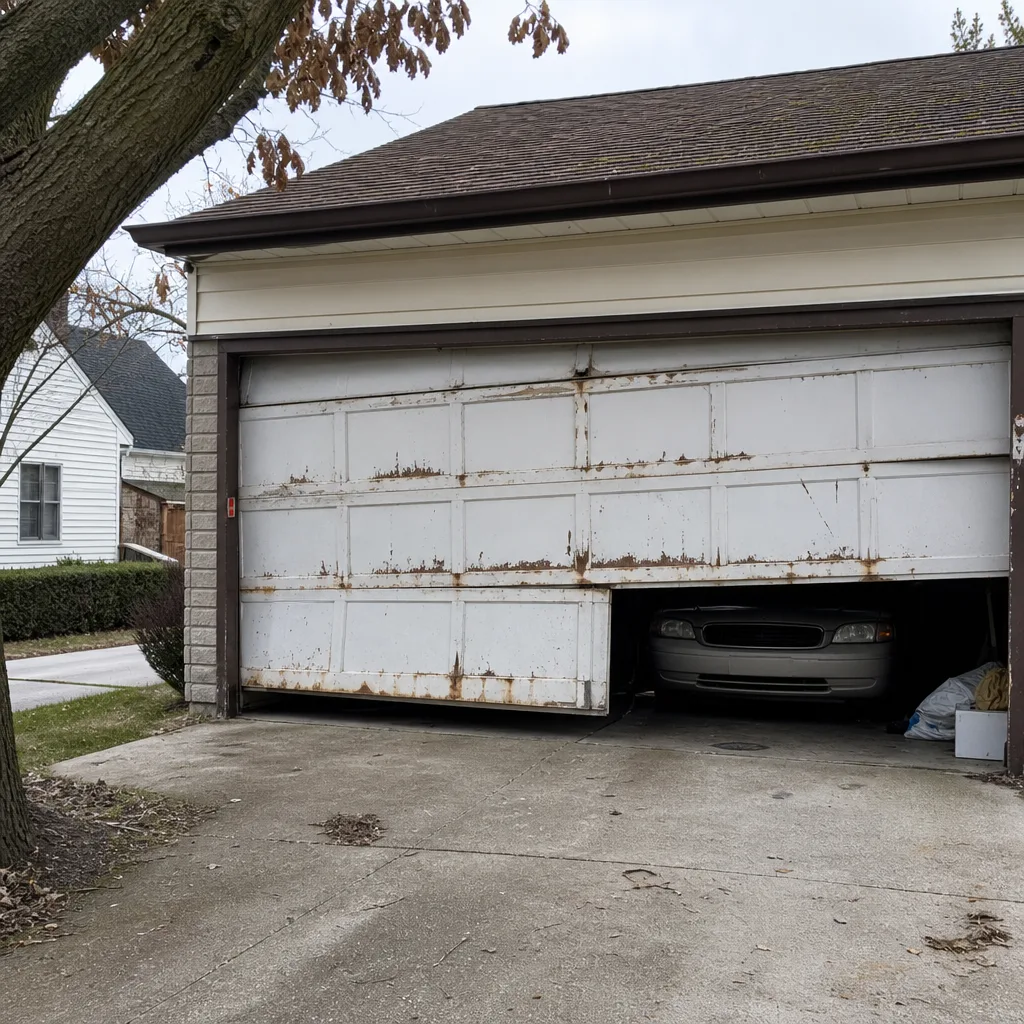 Before
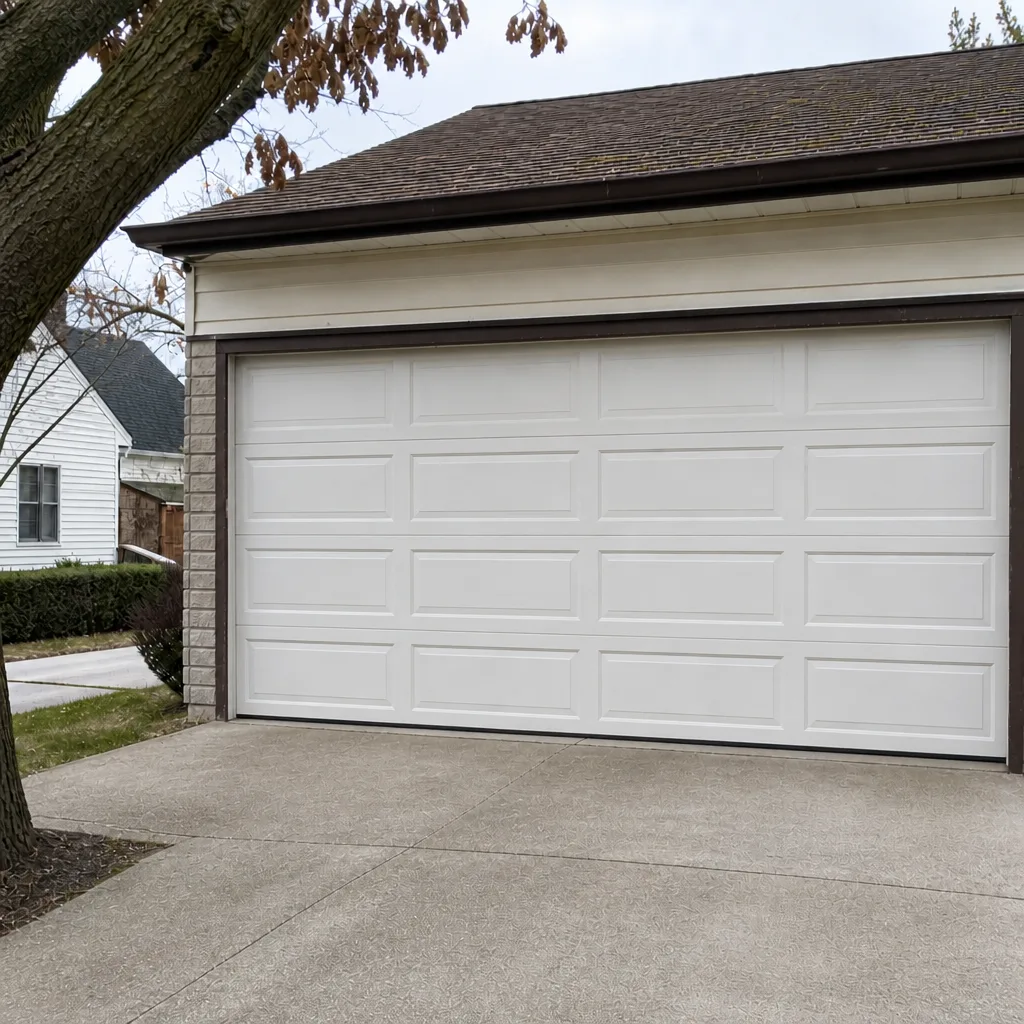 After
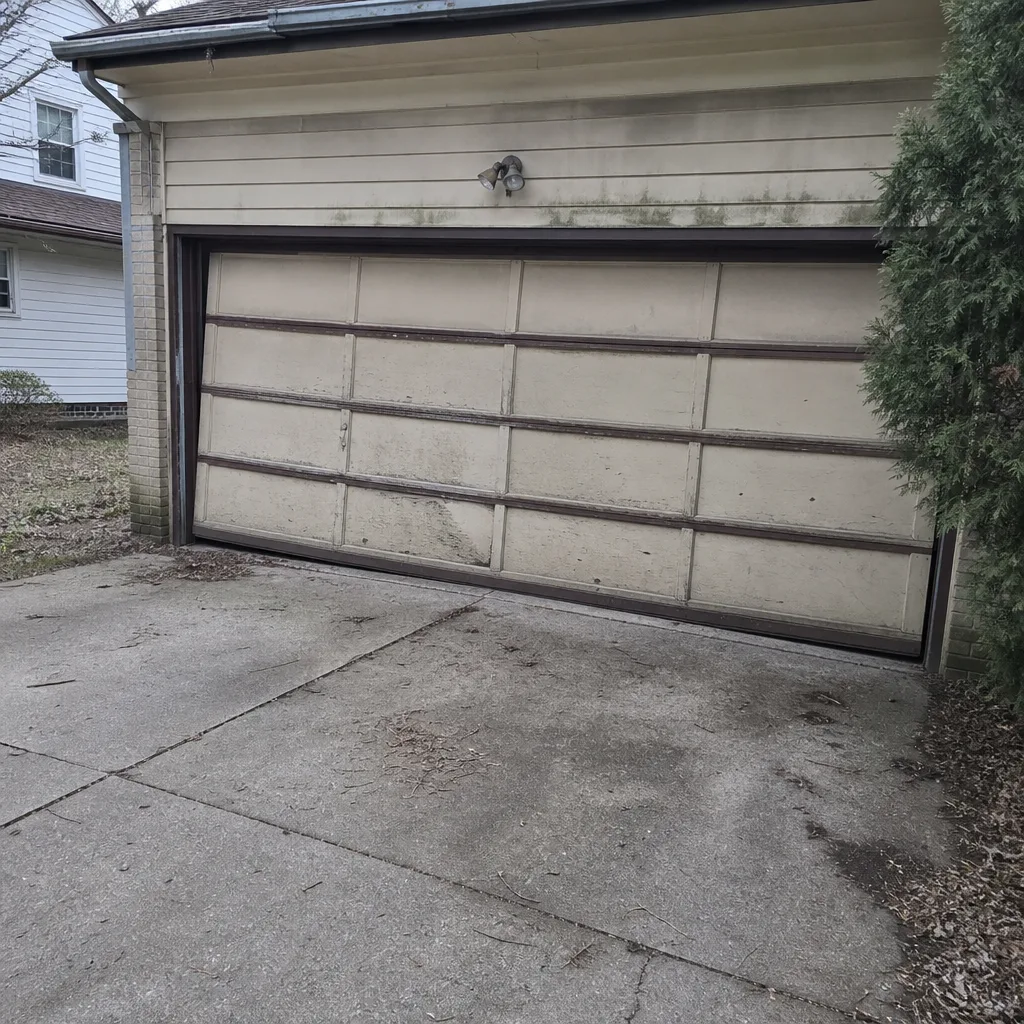 Before
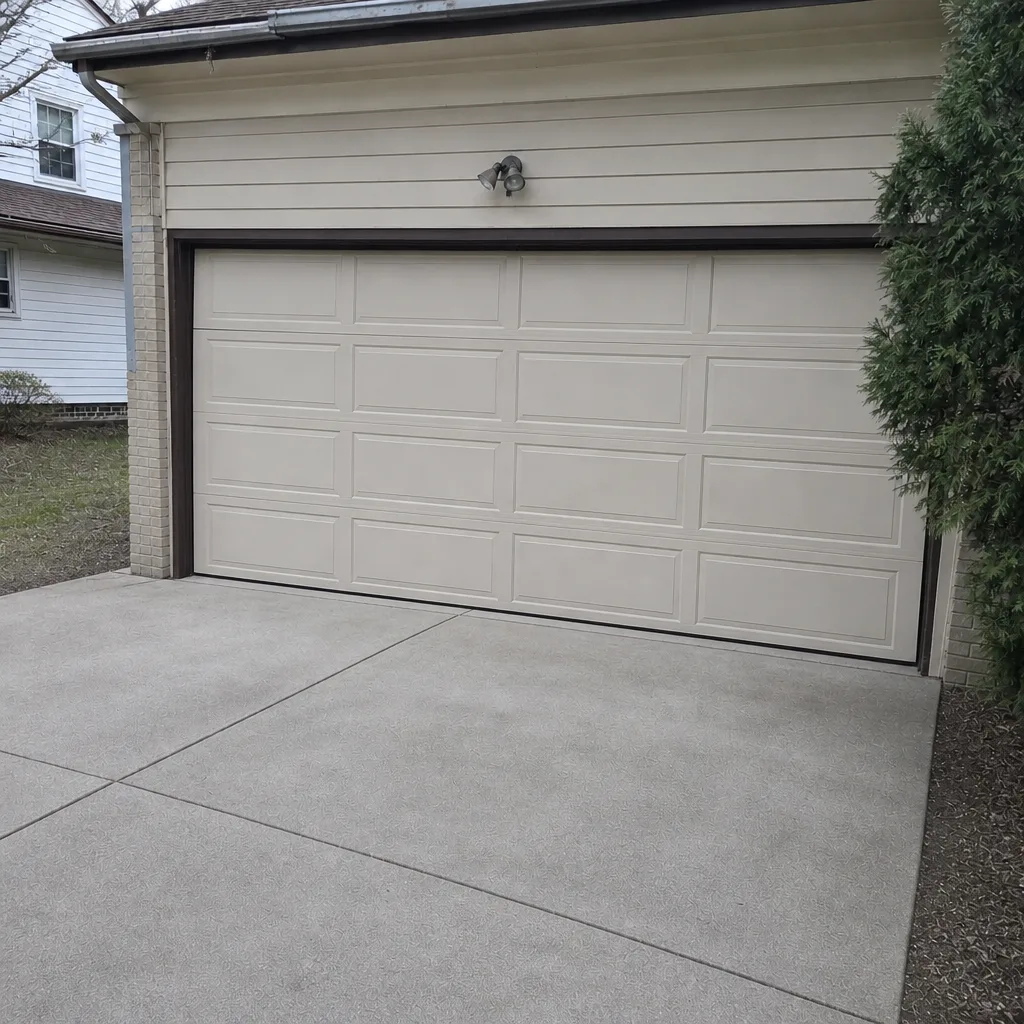 After
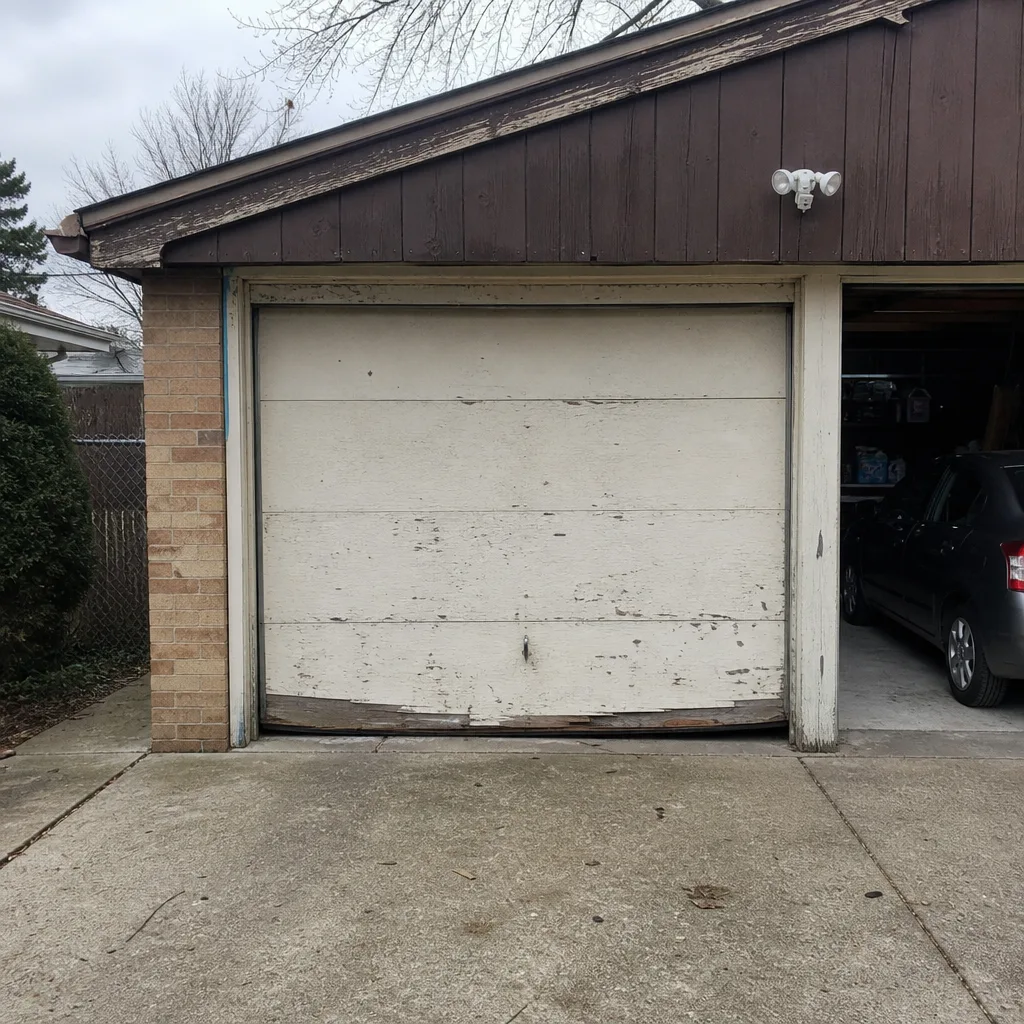 Before
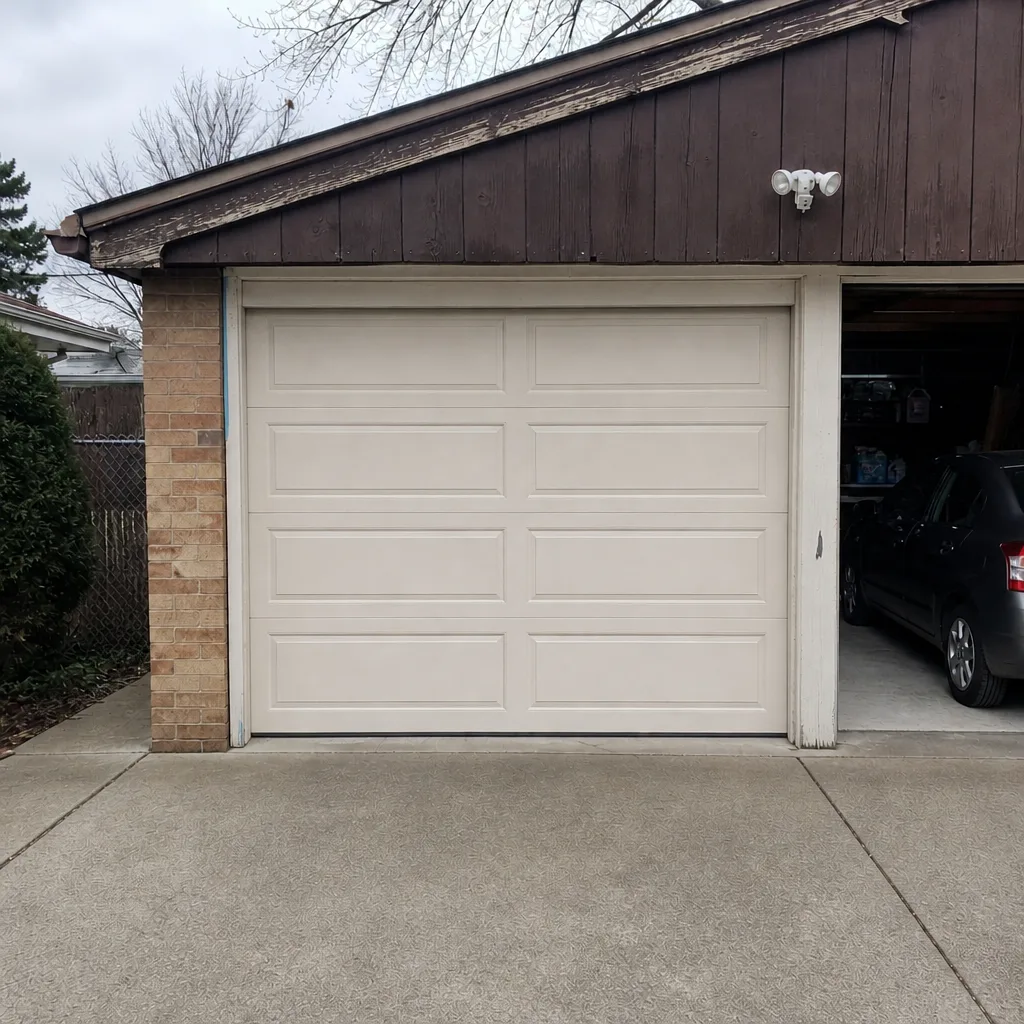 After
When to Call a Professional
Some garage door jobs are straightforward, and some carry real risk. Call a professional when a spring breaks, when the door comes off its track, when the cables go slack, or when the door won’t close and you can’t tell why. Springs and cables are under high tension and can cause serious injury if handled without the right tools and training, so leave that work to a trained technician. Call a pro as well when an opener runs but the door doesn’t move, when the door slams or reverses without reason, or when you’re weighing a repair against a full replacement and want a straight answer on which makes sense. Skokie Garage Door Repair Co offers free estimates in Skokie – call (844) 670-3544 to get a written price before any work starts.
Frequently Asked Questions
The best brand for a Skokie home is the one with local parts and panel availability, a trained technician nearby who knows it, and steel and insulation specs that fit our winters. In practice that usually means one of the widely distributed brands like Clopay, Amarr, Wayne Dalton, or CHI – chosen by gauge, insulation, and warranty, not by advertising. Call (844) 670-3544 for a free estimate on your specific home – estimates are free.
Yes – a lower gauge number means thicker steel, so 24-gauge is thicker and more dent-resistant than 25-gauge. On a Skokie property with an alley approach or tight parking, that difference matters, because the door takes more incidental contact. If two brands cost the same, the one offering 24-gauge is giving you a sturdier door for the money. Call (844) 670-3544 to talk through options – estimates are free.
For most attached garages in Skokie, yes – polyurethane fills the door section completely, giving a higher R-value and a quieter, stiffer door that reduces heat loss into the house. On a detached garage you don’t heat, polystyrene is often enough. Buy insulation to cut drafts and quiet the door, not to transform an unheated space. Call (844) 670-3544 for a free estimate – estimates are free.
It depends on the brand and the part – “limited lifetime” typically covers panels longer than springs and hardware, and the finish is often covered separately from the steel. Across Clopay, Amarr, Wayne Dalton, and CHI, ask for panel, spring, and hardware coverage spelled out separately, and confirm what voids the warranty, like improper installation or unapproved painting. Call (844) 670-3544 with questions – estimates are free.
It depends entirely on the brand and how regional its distribution is – a widely stocked brand can often get a matching panel much faster than a niche one that requires national ordering, which can take two to three weeks. That’s why local availability should be a deciding factor when you choose a brand. Call (844) 670-3544 to check turnaround on your specific door – estimates are free.
Yes – brand fluency, not brand installation, is what matters. Technicians trained on LiftMaster, Chamberlain, Genie, Craftsman, Clopay, Amarr, Wayne Dalton, and Raynor can service your existing door and opener regardless of who put it in. That means you don’t need to track down the original installer for a repair. Call (844) 670-3544 to confirm we know your system – estimates are free.
The Bottom Line
The right garage door brand for a Skokie home comes down to four things: local parts and panel availability, technicians nearby who know the system, steel gauge and insulation that fit our climate, and a warranty you actually understand. Advertising is the least useful of those criteria. Start with availability, match the steel gauge to your driveway and parking, choose insulation by construction and how you use the garage, read the warranty part by part, and match the style to your house type rather than chasing designer upgrades. Do that and future repairs stay fast and local – which is what a garage door really needs to be in Skokie. When you’re ready for a written price, our team can help.
Whether you’re repairing a dented panel, weighing a replacement, or just trying to read a warranty before you buy, we work on the brands installed in Skokie every day, include our garage door spring repair, and can handle everything from diagnosis to a full new door without handing you off to a subcontractor. For brand-neutral advice on your specific door and opener, call Skokie Garage Door Repair Co at (844) 670-3544 for a free estimate and an upfront price quoted and agreed before any work starts. You can also start at Skokie Garage Door Repair Co to get the lay of the land, or reach out and we’ll take it from there.
Written by the team at Skokie Garage Door Repair Co.