Last updated November 23, 2026
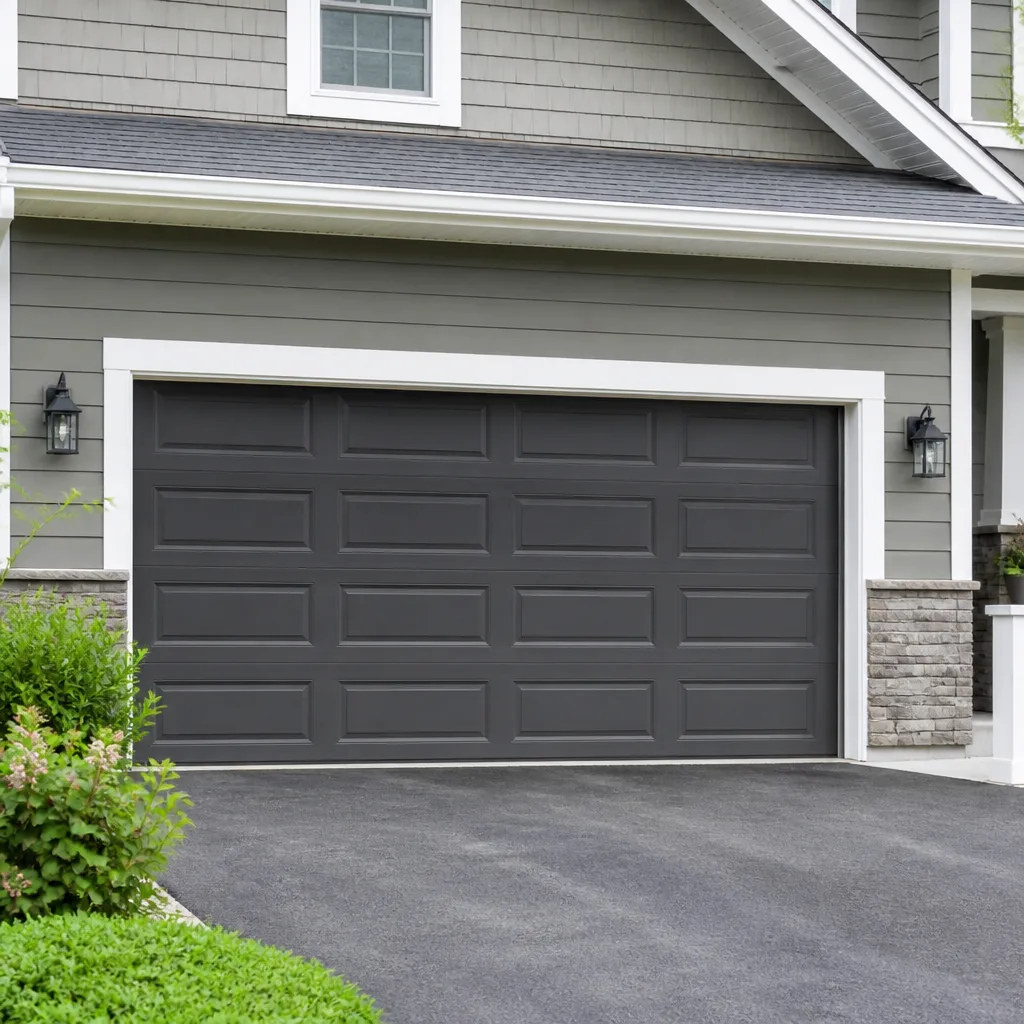 Raised-panel steel
 Carriage house
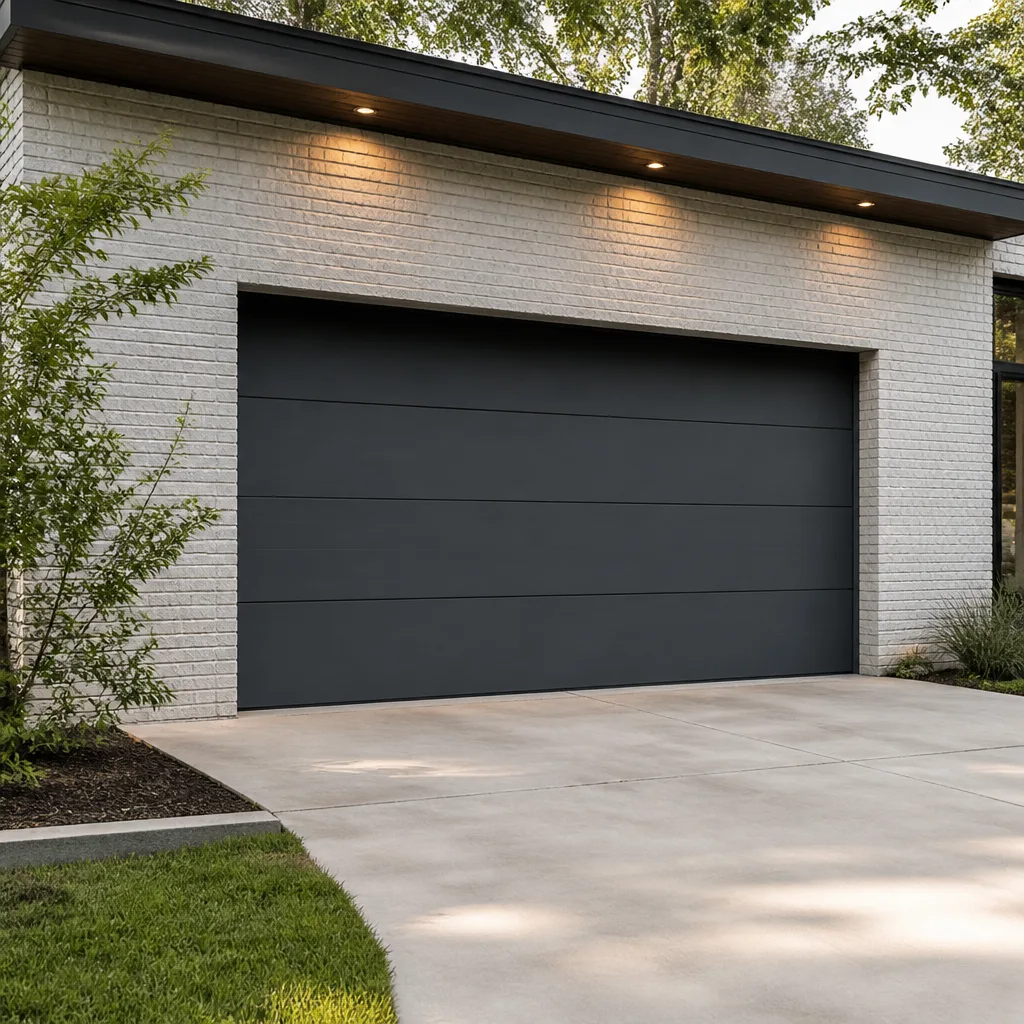 Modern flush
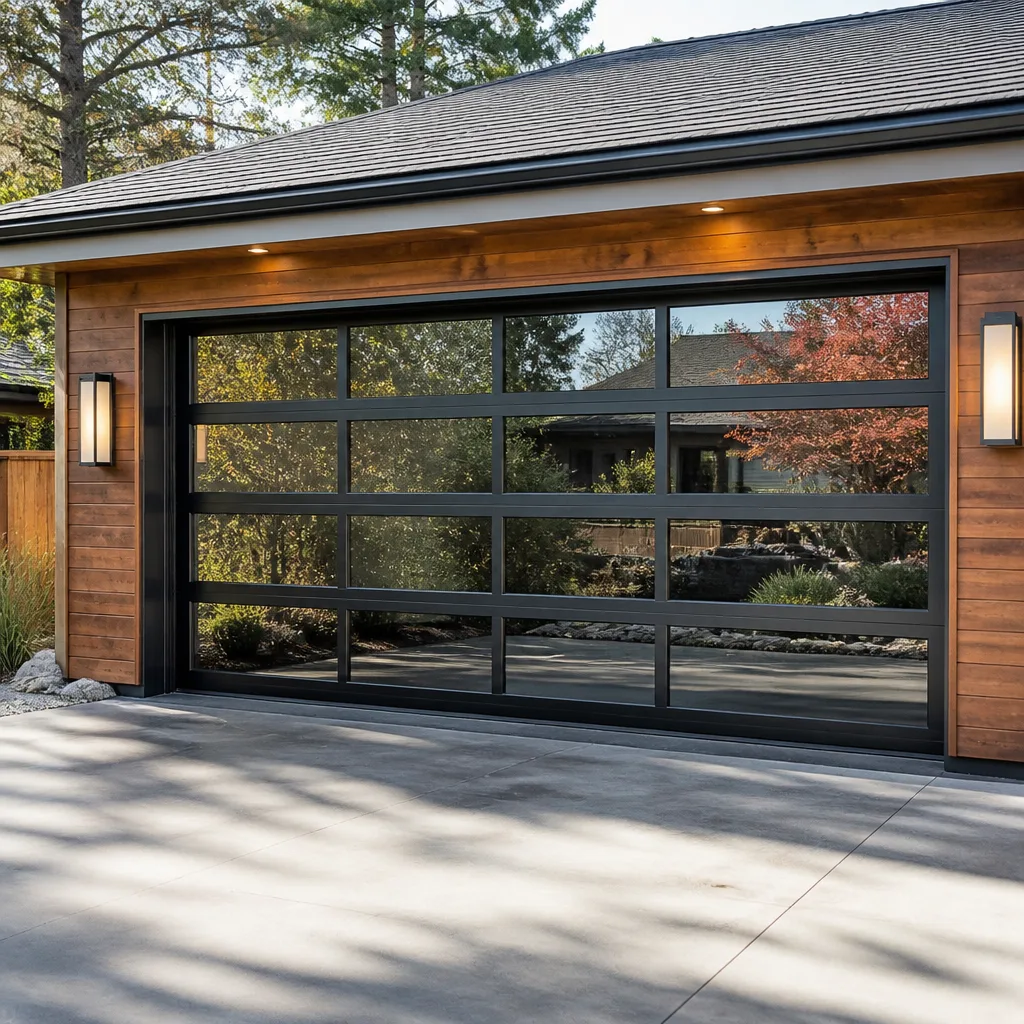 Full-view glass
 LiftMaster openers
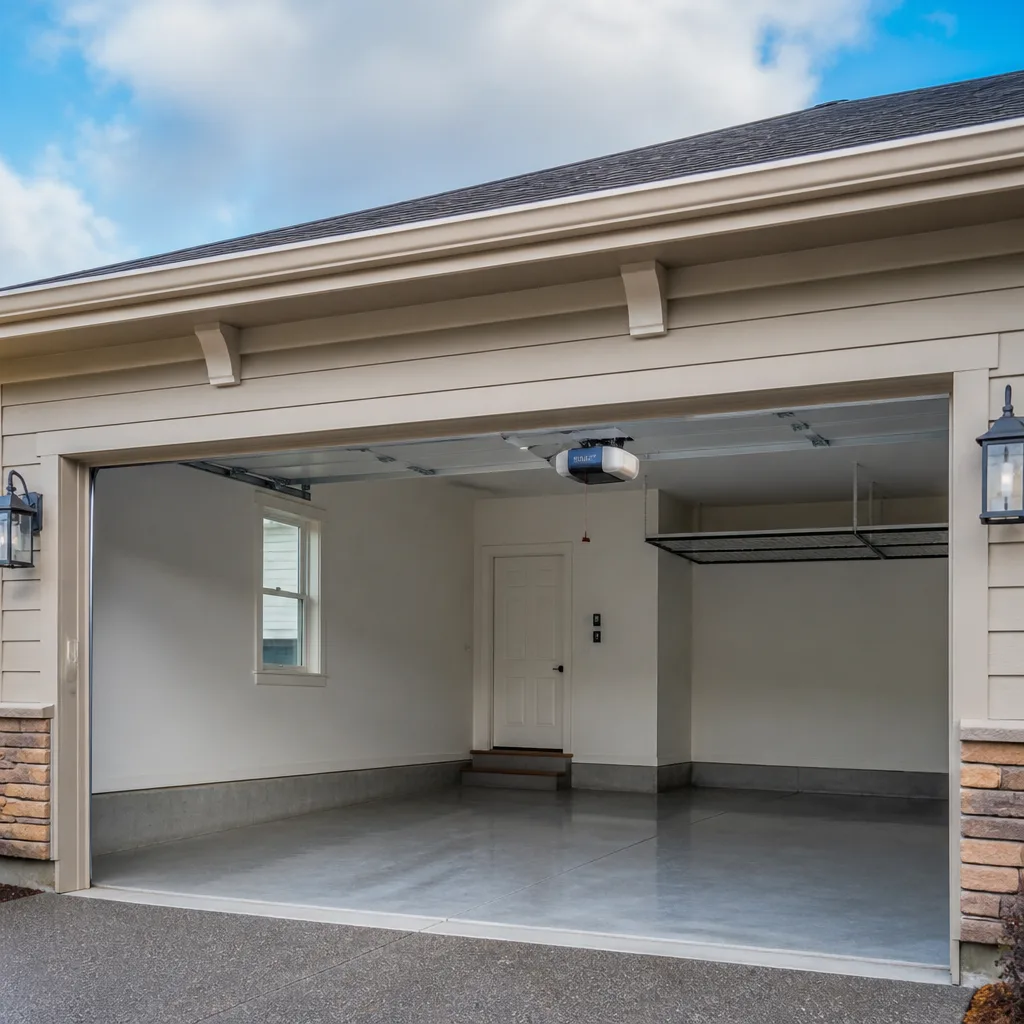 Chamberlain openers
Full 25-point door and opener safety check with every visit - springs, cables, rollers, tracks, and your LiftMaster or Chamberlain opener included
You get a price before we start. It does not change when the pro arrives.
Get your free estimateGarage Door Emergency Preparedness Guide for Skokie Homes
A garage door emergency is two different problems wearing the same name. When a spring snaps and the door won’t open, you’ve lost access to your car and your day changes. When a door jams half-open and won’t close, you’ve lost the barrier between your home and the alley, and the problem is safety rather than schedule. Most preparedness advice lumps those together, which is why so many Skokie homeowners end up forcing a door, bending a panel, or waiting longer than necessary for help. This guide splits the two scenarios apart and gives you a decision tree for each, so that the next time something fails you already know what to do.
Quick Answer
If your garage door fails, first decide which emergency you’re in: a door that won’t open (an access problem) or a door that won’t fully close and secure (a safety problem). For a door that won’t open, use your opener’s manual release cord only when the door is fully closed, and never lift a door with a broken spring by hand. For a door that won’t secure, block or brace the opening and call for emergency service the same day. Skokie Garage Door Repair Co handles both, with free estimates and a written price agreed before any work starts: (844) 670-3544.
Styles & brands we work with
- Raised-panel steel
- Carriage house
- Modern flush
- Full-view glass
- LiftMaster openers
- Chamberlain openers
Table of Contents
- The Two Kinds of Garage Door Emergency
- Manual Release by Opener Brand: LiftMaster, Chamberlain and Genie
- Is It Safe to Operate the Door by Hand? The 30-Second Cable Check
- When the Door Is Stuck Open: Temporary Security That Works
- Power Outage Protocol for a Skokie Winter
- What to Have Ready Before You Call for Emergency Service
- Preparing Before Anything Breaks
- Why Springs Fail and Why You Shouldn’t Touch Them
The Two Kinds of Garage Door Emergency
The first thing to sort out in any garage door failure is which category you’re in, because the right move in one is the wrong move in the other. A door that won’t open is an access emergency. Nobody is in danger, but your vehicle is trapped, your routine is broken, and the temptation to force something is high. A door that won’t close or won’t stay closed is a security emergency. Your home is open to the alley, and the priority shifts to securing the opening quickly and getting a technician out.
Here’s the split in practical terms:
- Access emergency: the door is down and won’t lift. Common causes are a broken torsion or extension spring, a snapped cable, a dead opener motor, a failed logic board, or a stripped gear inside the opener.
- Security emergency: the door is up or partly up and won’t come down. Common causes are a misaligned track, a bent roller, a jammed panel, a failed limit switch on the opener, or an obstruction the safety sensors keep seeing.
Skokie homes deal with both, and the housing stock shapes which one shows up more. Much of the village is older construction with detached or attached single-car garages, and a large share of those doors are original or one replacement old. That means more torsion springs that have cycled well past their expected life, more older openers with failing logic boards, and more wooden or steel panel doors that have taken decades of freeze-thaw. In our experience, the access emergencies cluster around cold snaps, and the security emergencies cluster around anything that throws a door off its track.
Knowing which one you’re in tells you what to do in the next five minutes. The rest of this guide handles each in turn.
Manual Release by Opener Brand: LiftMaster, Chamberlain and Genie
The manual release is the single most useful thing a homeowner can learn before an emergency, and it’s also where brand differences trip people up. All three of the most common residential openers in Skokie use a release cord, but how you pull it, when you pull it, and what to do afterward differs enough that the wrong move can damage the opener or leave you with a door you can’t re-engage.
Before you do anything, one rule overrides everything else: only pull the release when the door is fully closed. Pulling the cord with the door up sends it crashing down under its own weight, and pulling it with a broken spring can do the same. Make sure the door is all the way down, then follow the steps for your brand.
LiftMaster
LiftMaster openers, including the popular belt and chain drives, use a red-handled release cord that hangs from the trolley. Pull straight down and slightly toward the door. The trolley disengages and the door is now on manual. The thing that catches people: on newer LiftMaster units with a trolley lock, you may need to pull firmly rather than gently, and the cord can feel stiff in cold weather. Once the door is on manual, don’t try to re-engage it by pulling the cord back up; you re-engage by running the opener with the door in the closed position.
Chamberlain
Chamberlain shares a great deal of engineering with LiftMaster, so the release procedure looks the same, but the difference is often in the re-engagement. Chamberlain trolleys generally re-engage when the opener is cycled with the door closed, and forcing the trolley back by hand can bend the arm. If your Chamberlain has a battery backup, the release still works, but the door will be heavier than you expect because the spring may not be doing its share. Same rule applies: door down, then pull.
Genie
Genie openers, including the screw-drive and chain-drive models common on older Skokie doors, use a release cord too, but the trolley design differs. On many Genie units the release requires a firm downward pull and the trolley rides differently on the rail. The mistake we see most often with Genie is a homeowner pulling the cord while the door is partially up and then not being able to get the door back down safely. That’s why the fully-closed rule matters most on these units.
- Confirm the door is fully closed and resting on the floor.
- Locate the release cord hanging from the opener trolley.
- Pull down firmly and slightly toward the door until the trolley detaches.
- Test the door by hand: lift it a few inches and let go. If it stays, it’s balanced enough to move carefully.
- Never force a door that won’t lift smoothly. That’s a sign the spring is broken.
If you’re not sure which opener you have, the model label is usually on the back panel or under the light cover. Knowing the brand before you call cuts the diagnostic time when you book service. Our team works on LiftMaster, Chamberlain, Genie, Craftsman and the other major systems, so we already know the release behavior on your unit. For opener-specific issues, see our garage door opener repair page.
Is It Safe to Operate the Door by Hand? The 30-Second Cable Check
Short answer: a door with a broken spring is not safe to lift by hand, and a door with a frayed or slack cable is not safe to touch at all. The check below takes about thirty seconds and tells you whether the door is safe to move manually or whether you should stop and call.
Here’s what to look at, with the door fully closed and nobody standing under it:
- The springs. Torsion springs sit on the shaft above the door; extension springs run along the sides. A broken torsion spring usually shows a visible gap in the coil. A broken extension spring is often hanging loose. Either one means the door is now unsupported and dangerous to lift.
- The cables. Look at the thin steel cables running down each side. If one is slack, kinked, frayed, or has come off its drum, do not operate the door by any method. Cables are under high tension and can whip.
- The bottom bracket. The bracket where the cable attaches at the bottom corner is under serious load. If it looks bent or the cable is coming away from it, stop.
- The balance test. With the door on manual and closed, lift it about halfway by hand and let go gently. A balanced door stays put. A door that drops or shoots up is not balanced and shouldn’t be moved.
If the springs look intact, the cables are tight and clean, and the door holds its position, it’s generally safe to lift by hand to get your car out, then lower it carefully and leave it closed until a technician arrives. If any of those checks fail, don’t touch the door. A garage door with a failed spring or cable can weigh far more than it looks, and the components are under enough tension to cause serious injury. This is exactly the work we handle as a core specialty, not a sideline, and it’s why we tell people not to take it on themselves.
For the full picture on spring failure, see our garage door spring repair page.
When the Door Is Stuck Open: Temporary Security That Works
A door that won’t close is the emergency people underestimate. In Skokie, where many garages open onto an alley or face a street, a door stuck up overnight leaves your tools, bikes and stored belongings visible and accessible. The goal before a technician arrives is to make the opening inconvenient to enter and to signal that the house is occupied, not to build a permanent fix.
Temporary measures that actually help:
- Block the opening with your vehicle if you have a second car. Park it close enough to the door that the gap is unusable, but not so close you block the technician’s access.
- Brace the door panel with a sturdy piece of lumber cut to fit under the bottom edge, if the door is partly down and sagging. This keeps it from dropping further.
- Add light and noise. A motion light or a lamp left on near the garage makes the space less appealing to anyone looking for an easy target.
- Lock the entry door from the house side if your garage connects to the home. That’s the door that actually protects your living space.
- Disconnect the opener so nobody can accidentally cycle it and cause the door to move unexpectedly.
What doesn’t work: wedging a chair under the door, taping the sensors, or trying to force the door down by hand. Those either fail under the door’s weight or cause more damage. If the door is stuck open because of a track or panel problem, a technician needs to realign the door before it will close. That’s a repair, not a security fix, and it’s the kind of thing our garage door repair team handles as an emergency call.
Power Outage Protocol for a Skokie Winter
Winter outages are a real part of living in Skokie, and the difference between a battery backup opener and a standard opener is the difference between a working door and a manual one. If your opener has a battery backup, the door will still open and close during an outage, usually for a limited number of cycles. If it doesn’t, you’re on manual until power returns.
Here’s how the two compare in a winter outage:
- Battery backup opener: the door operates normally for a while, then the battery drains. Most units give you enough cycles to get in and out several times. The battery is the part that ages quietly, so it’s worth checking before winter rather than during a storm.
- Standard opener: the door is on manual. You’ll use the release cord, lift the door by hand, and lower it by hand. In cold weather the door is heavier, the springs are stiffer, and the tracks can bind. Move slowly.
When you’re on manual during an outage, engage the manual lock if your door has one. Many older Skokie doors still have a sliding bolt or a lock bar on the inside; if yours does, use it. If it doesn’t, a pair of locking pliers on the track above a roller can hold the door in the closed position, but only as a temporary measure and only with the door fully down. Never rely on the opener to hold a door closed during an outage, because it can’t.
One more winter note: a door that binds in cold weather is telling you something. Stiff rollers, dry hinges and a slightly misaligned track all get worse as temperatures drop. Those are the conditions that turn into a stuck door on the coldest morning of the year.
What to Have Ready Before You Call for Emergency Service
The call goes faster and the technician arrives better prepared when you have four pieces of information ready. You don’t need to diagnose anything; you just need to describe what you see.
- The door’s position and behavior. Is it fully closed, fully open, or stuck partway? Does the opener run but the door not move, or is there no response at all?
- The opener brand and model. LiftMaster, Chamberlain, Genie, Craftsman, and the model number if you can read it off the label. This alone tells us which release system and which parts we’re likely dealing with.
- The door brand or material. Amarr, Clopay, Wayne Dalton and Raynor are all common in the area, and knowing the door tells us about panel and track compatibility.
- What you’ve already tried. If you pulled the release cord, say so. If you tried the wall button and nothing happened, say that too. It rules out causes fast.
With those four things, the person taking your call can usually tell you whether it’s a spring, a cable, an opener, or a track problem before anyone is dispatched. That’s the difference between a call that ends with “we’ll send someone out to look” and one that ends with a real plan. For emergency situations, that’s the call you want to make. Reach us at (844) 670-3544.
Preparing Before Anything Breaks
The best emergency prep happens on a calm afternoon when nothing is wrong. A few small habits make the difference between a five-minute inconvenience and a morning spent forcing a door.
- Find your release cord now. Locate it, note its color, and make sure it’s not tangled or caught. In an emergency you don’t want to be searching.
- Write down your opener model. Keep the brand and model on a note inside the garage or in your phone. It saves time on every future call.
- Test the door’s balance twice a year. With the door on manual and closed, lift it halfway and let go. If it doesn’t hold, the springs are telling you something.
- Look at the springs and cables each season. A gap in a torsion spring or a slack cable is visible before it fails completely.
- Lubricate the moving parts. Rollers, hinges and the track benefit from a garage-door-rated lubricant. This matters more in a climate with real winters.
- Check your battery backup. If your opener has one, test it before winter, not during an outage.
If you have an older door with an original opener, the honest conversation is worth having before something fails. Sometimes a repair is all that’s needed. Sometimes the smarter move is a new door or a new opener, and we handle that full arc too, from diagnosis to repair to installation, so you’re not handed off to a second company. That’s part of what we mean by being a single source for the whole job.
Why Springs Fail and Why You Shouldn’t Touch Them
Springs are the hardest-working part of your garage door. Each open-and-close cycle puts them through a full load and release, and they’re designed to last a set number of cycles, not a set number of years. A door that cycles several times a day wears its springs out faster than one that cycles twice. When a spring reaches the end of its life, it doesn’t slowly fade; it breaks, usually with a loud bang, and the door suddenly weighs far more than the opener can lift.
That’s the moment most homeowners discover how little the door wants to move. And it’s the moment to stop. Torsion springs are under enough tension to cause serious injury if they’re handled without the right tools and training, and the same is true of the cables and bottom brackets. There’s no safe shortcut here. What we can tell you is what a repair involves: a technician measures the door’s weight and spring size, replaces the spring with a matched part, and rebalances the door so it moves correctly. For most doors, springs are replaced in pairs, because a matched set wears evenly. That’s a repair job, not a homeowner job, and it’s one we handle as a specialty rather than a reluctant add-on.
If your door has broken springs or a snapped cable, that’s an emergency call rather than a routine one. See our garage door spring repair page for the full breakdown, and call (844) 670-3544. For a broader look at how we handle the whole range of problems, start at Skokie Garage Door Repair Co.
Common Mistakes to Avoid
- Pulling the release cord with the door up. This sends the door crashing down. Always make sure the door is fully closed first, especially on older Skokie doors with tired springs.
- Lifting a door with a broken spring. The door can weigh far more than expected, and the spring hardware is under tension. Stop and call instead.
- Trying to realign a track by force. A bent track needs to be straightened or replaced, not shoved back into place. Forcing it bends panels and makes the repair bigger.
- Taping over the safety sensors. If the door won’t close because the sensors keep seeing an obstruction, taping them doesn’t fix the problem, and it defeats a safety feature.
- Ignoring a door that binds in cold weather. That stiffness is a warning. Waiting until it fails on the coldest morning of the year is the harder path.
- Calling a general handyman for spring or opener work. These systems need brand-specific knowledge, not a general repair guess. We work on LiftMaster, Chamberlain, Genie, Craftsman, Clopay, Amarr, Wayne Dalton and Raynor systems, so the technician already knows the equipment.
- Assuming the opener is the problem when it’s the door. A door that won’t open often has a door problem, not an opener problem. Diagnosing the wrong one wastes a service call.
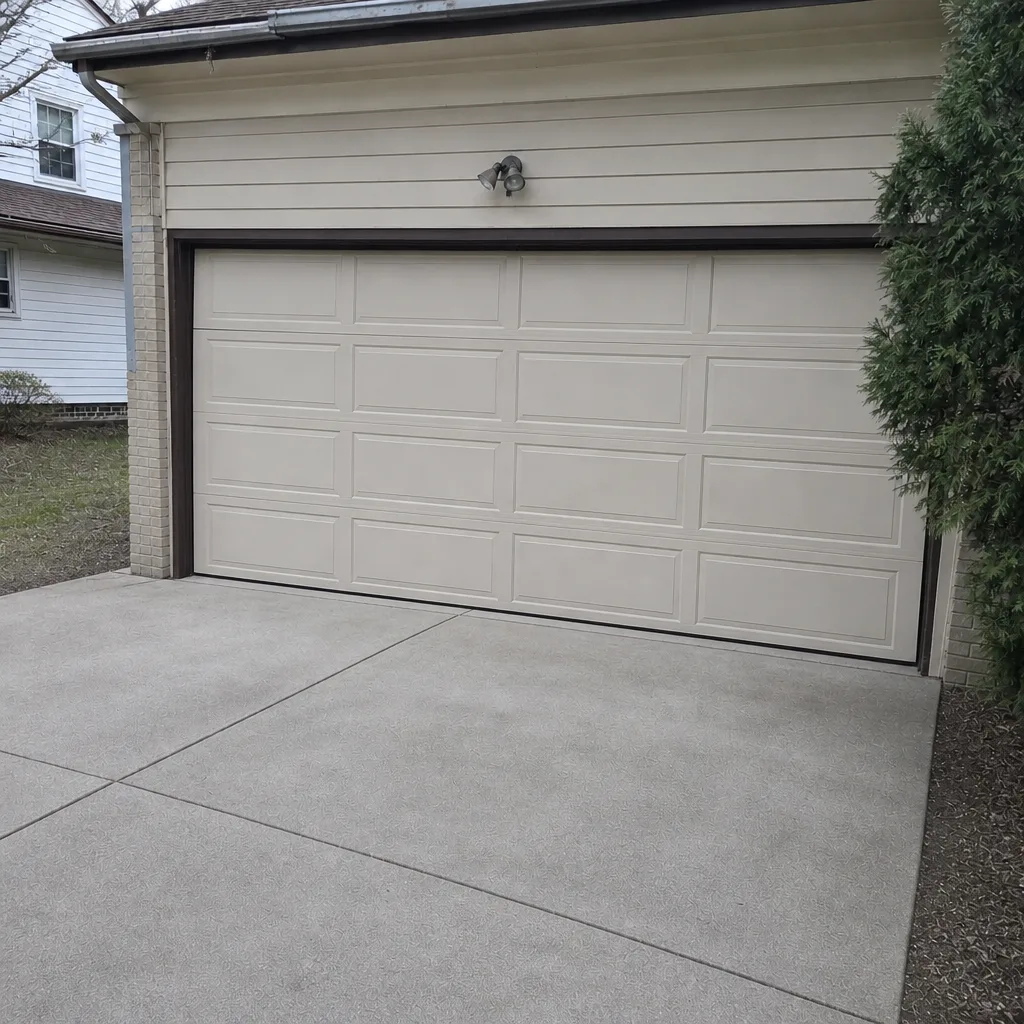
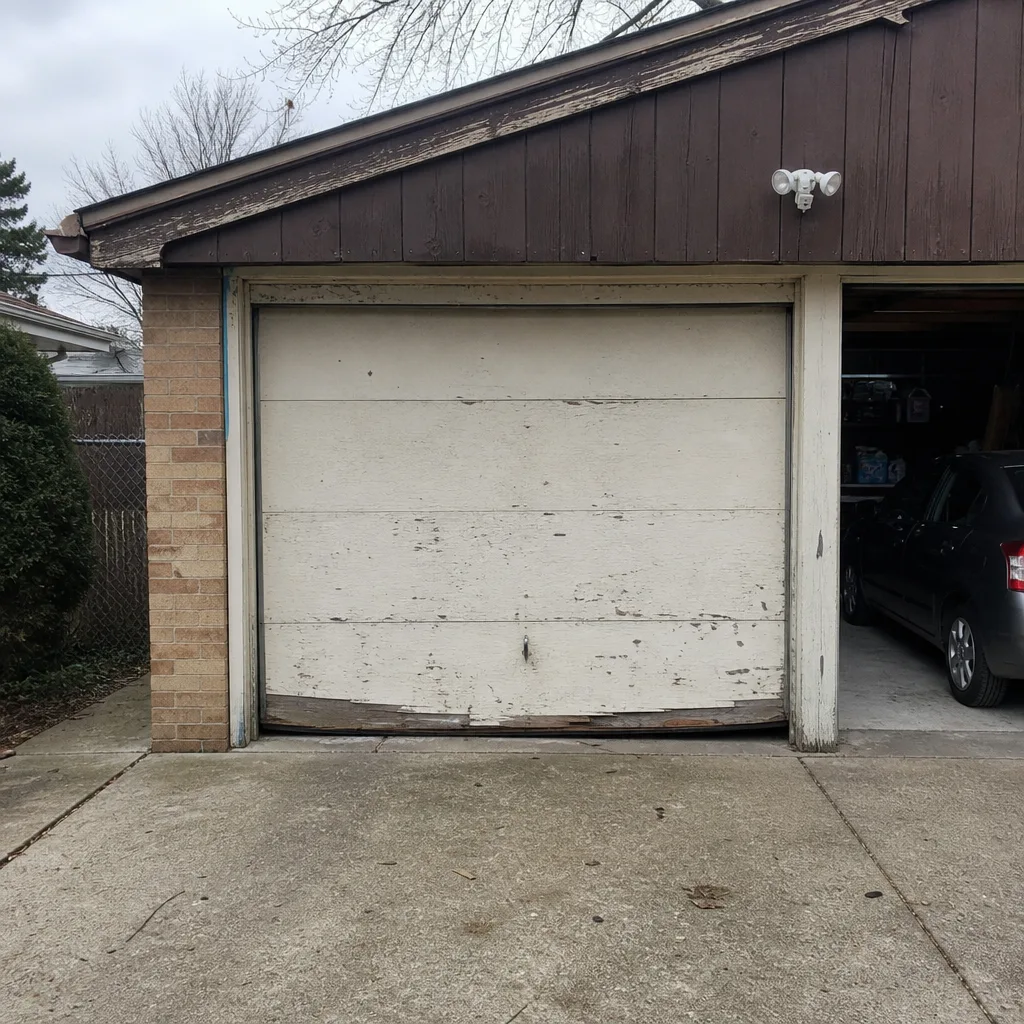
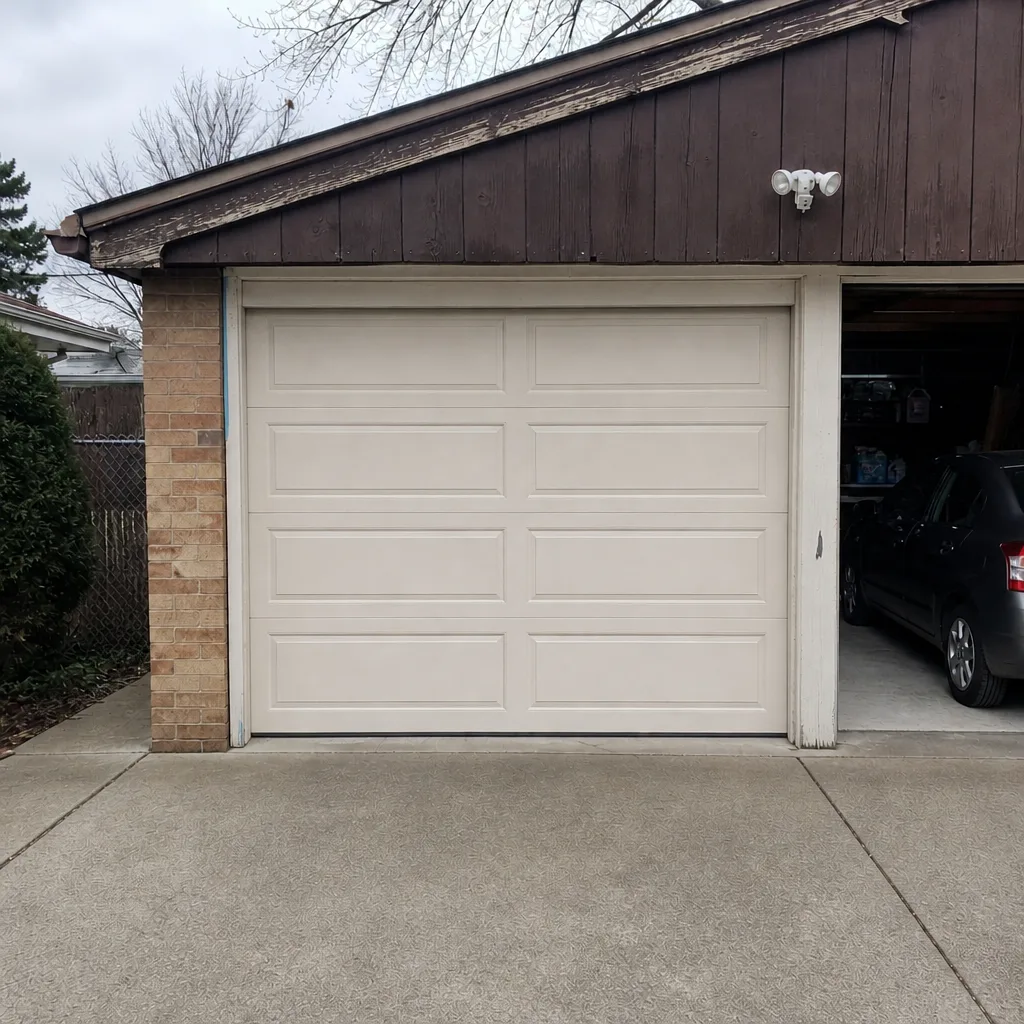
See the difference
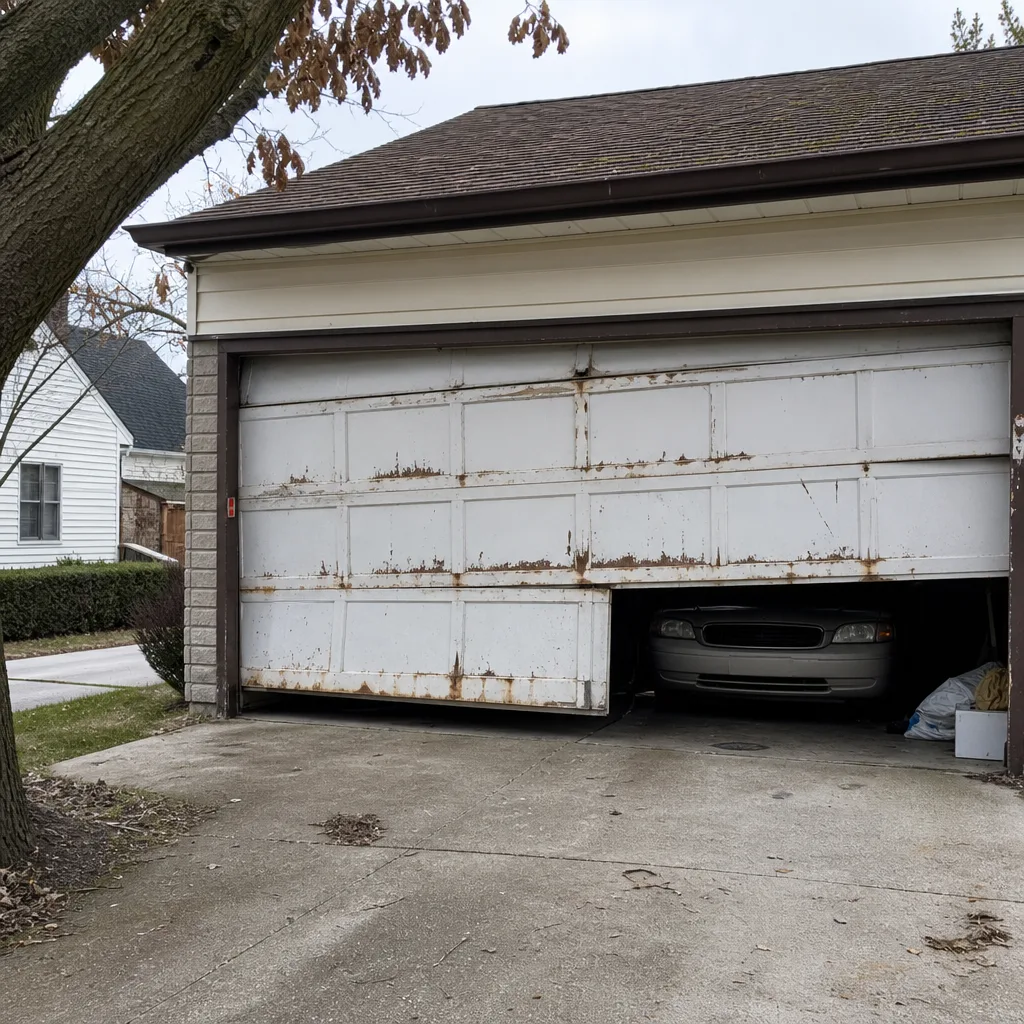 Before
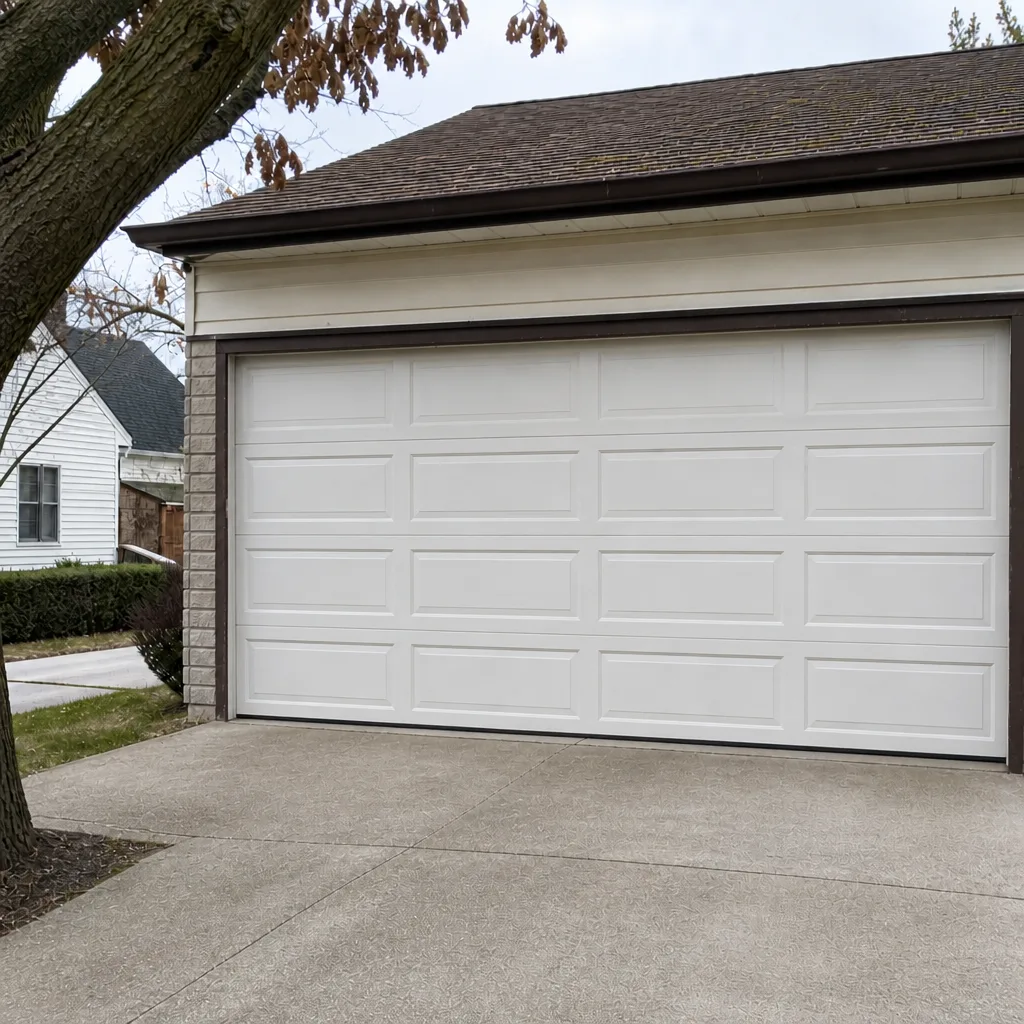 After
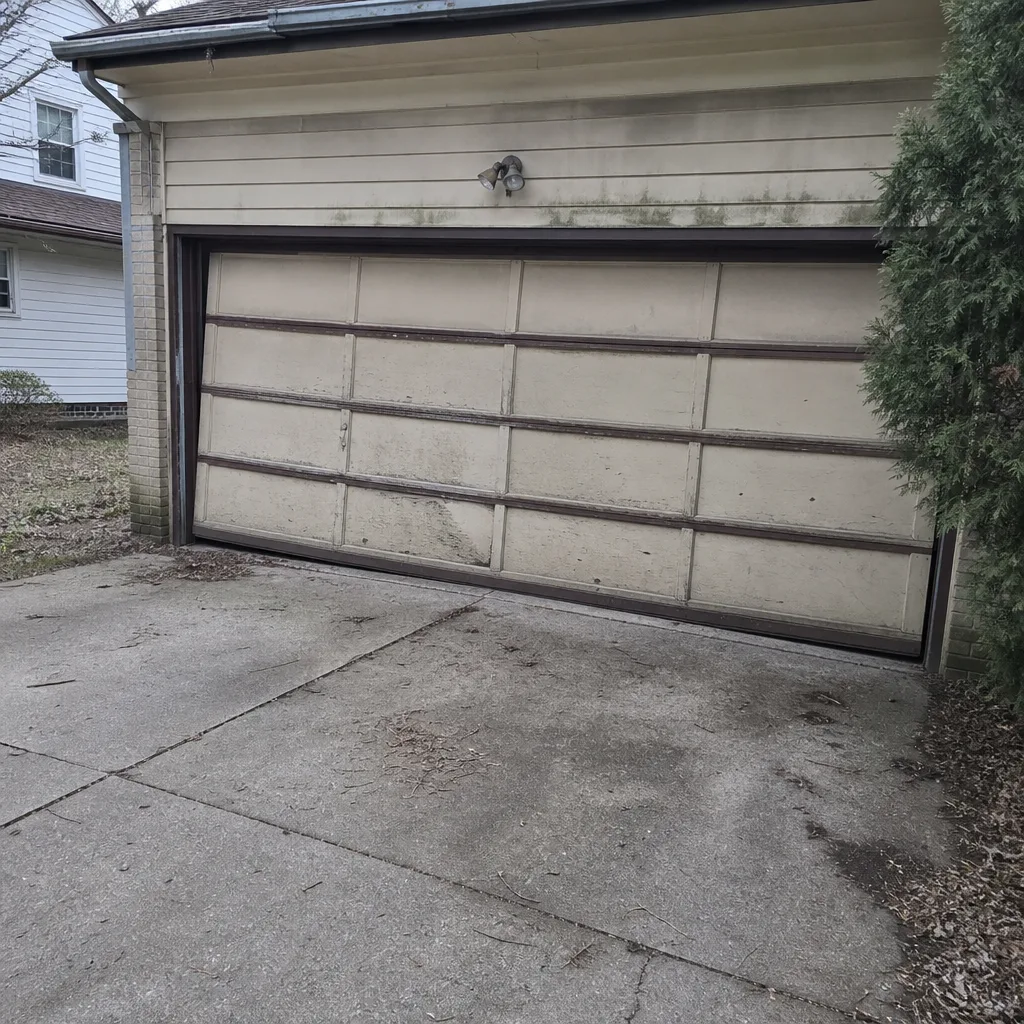 Before
 After
 Before
 After
When to Call a Professional
Call a professional any time the door has a broken spring, a slack or frayed cable, a bent track, a panel that’s come out of its hinges, or an opener that runs without moving the door. Those are the situations where the risk of injury or further damage is real, and where a trained technician makes the job faster and safer. Call the same day if the door won’t secure your home or if you can’t get your vehicle out. For routine stiffness, a door that’s getting harder to lift, or an opener that behaves oddly, a scheduled visit is the smarter choice. Skokie Garage Door Repair Co offers free estimates in Skokie. Call (844) 670-3544 and we’ll give you a written price before any work starts.
Frequently Asked Questions
Emergency repairs are quoted per job, and the price depends on what failed: a spring, a cable, an opener component, or a track problem. The written estimate you get before work begins is the price you pay, so there’s no surprise on the invoice. Call (844) 670-3544 for an exact quote; estimates are free.
Yes, same-day service is available for emergency situations like a door that won’t open or won’t secure. Call (844) 670-3544 and describe what’s happening so we can dispatch the right technician.
No. We quote the job in writing and agree the price with you before any work starts. If we find something unexpected after we begin, we stop and talk to you before doing anything that changes the price. That’s the standard we work to. Call (844) 670-3544 for an exact quote.
The local professionals we connect you with are licensed and insured as required by their state, and they’re trained on the brands they service, including LiftMaster, Chamberlain, Genie, Craftsman, Clopay, Amarr, Wayne Dalton and Raynor. Our technicians have up to 14 years of experience. Call (844) 670-3544 to book.
Secure the opening as best you can: park a car in front of it if you have a second vehicle, lock the house-side door if your garage connects to the home, and leave a light on. Then call for emergency service. (844) 670-3544.
Most failures are repairs, not replacements. Springs, cables, rollers and opener components are all serviceable. A new door makes sense when the panels are damaged beyond repair or the door is at the end of its life. We handle both, so you can have the conversation once. Call (844) 670-3544.
The Bottom Line
Garage door emergencies come in two shapes, and the right response depends on which one you’re in. A door that won’t open is an access problem: use the manual release only with the door closed, check the springs and cables before lifting by hand, and never force a door with a broken spring. A door that won’t secure is a safety problem: block the opening, lock the house-side door, and call for emergency service the same day. Learn your release cord and your opener model before you need them, keep an eye on the springs each season, and remember that spring and cable work is a job for a trained technician, not a homeowner. If something fails, call (844) 670-3544 for a free estimate and a written price before work starts.
Written by the team at Skokie Garage Door Repair Co.