Last updated November 23, 2026
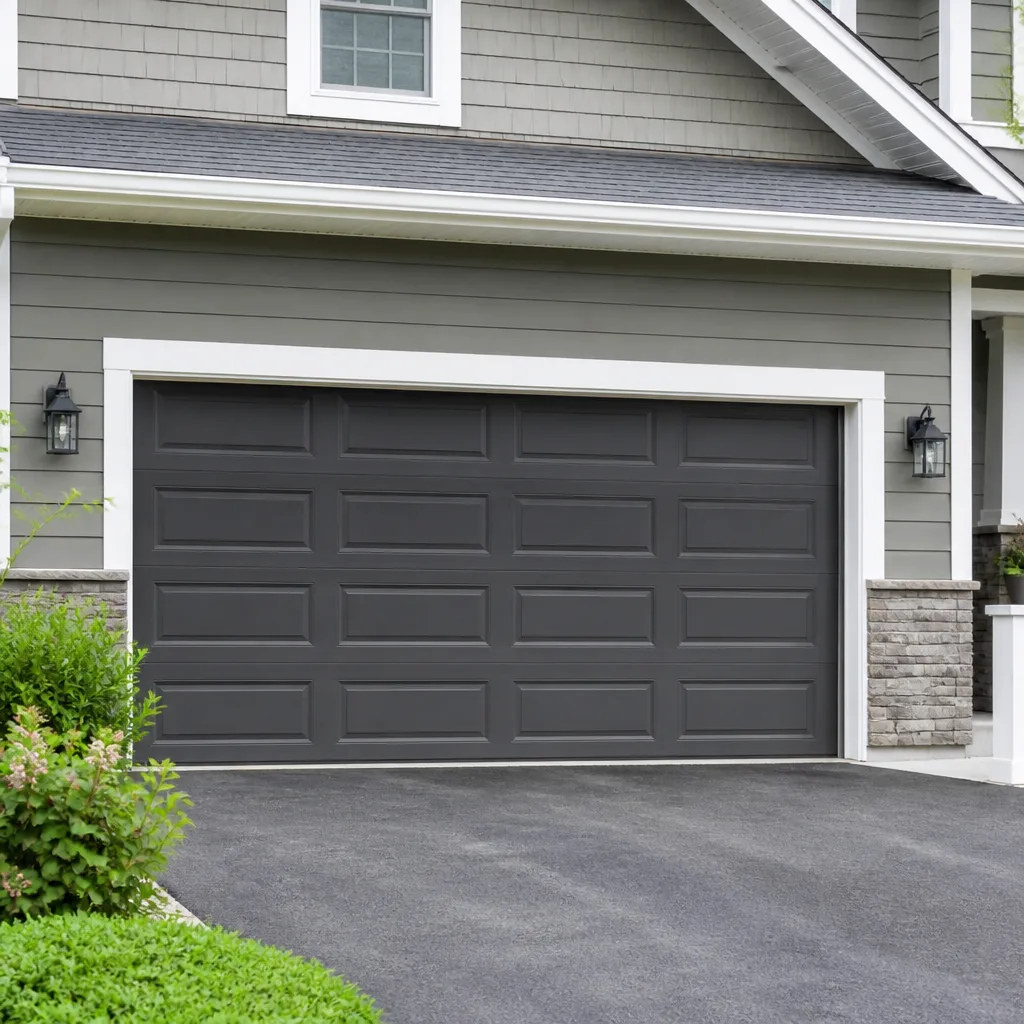 Raised-panel steel
 Carriage house
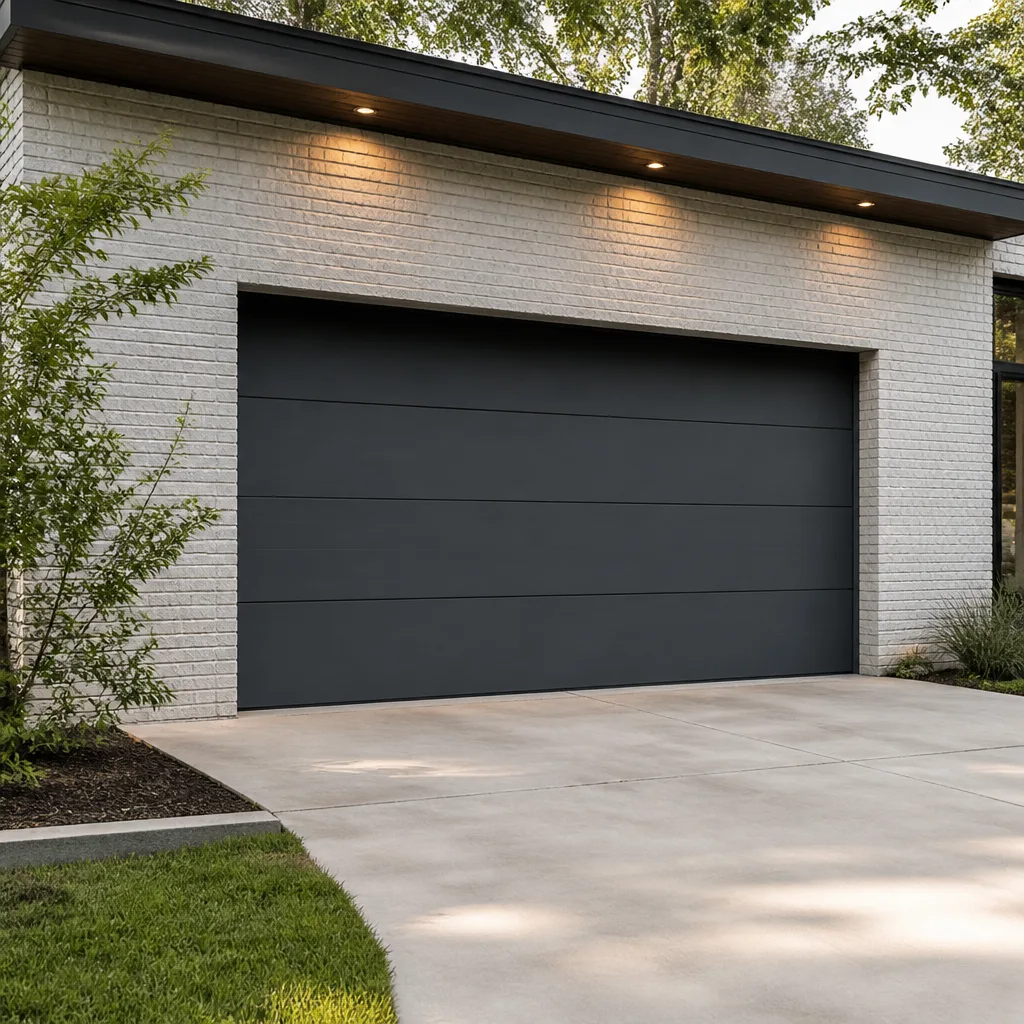 Modern flush
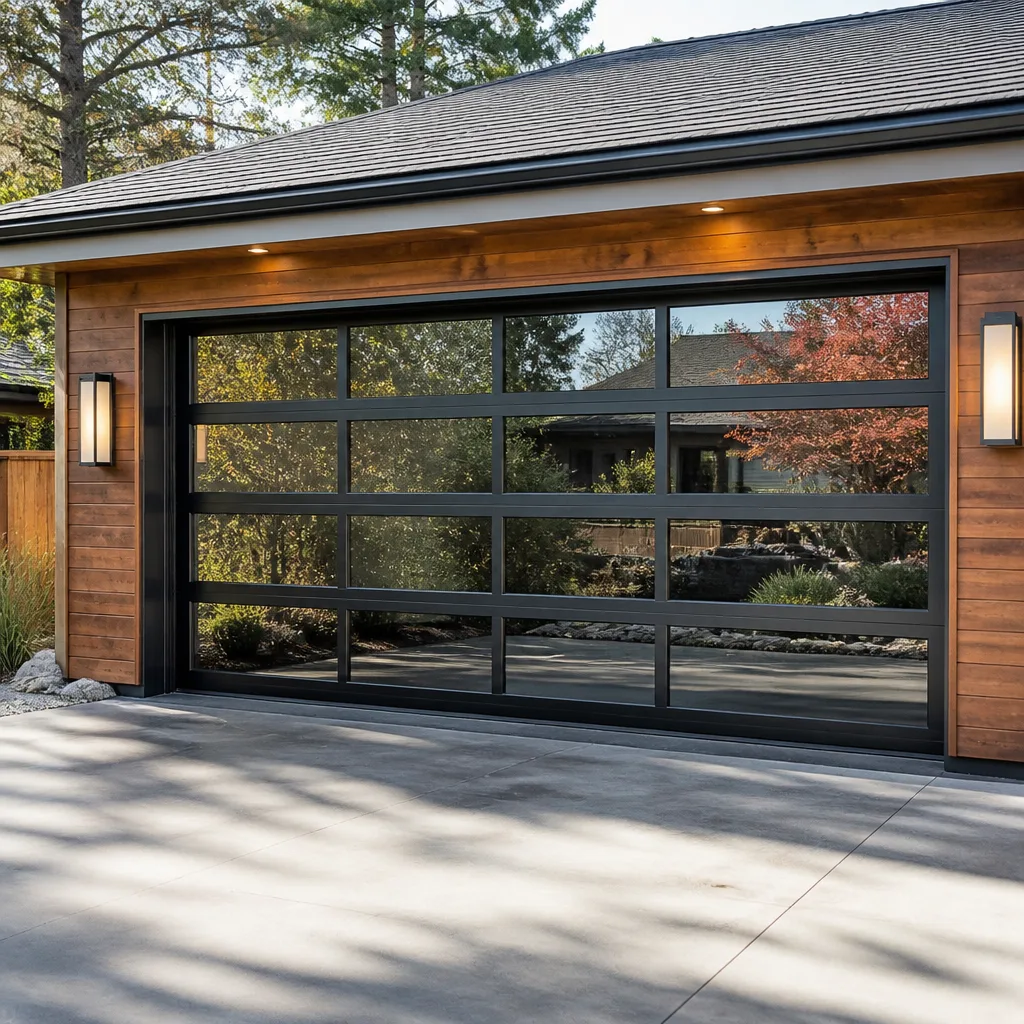 Full-view glass
 LiftMaster openers
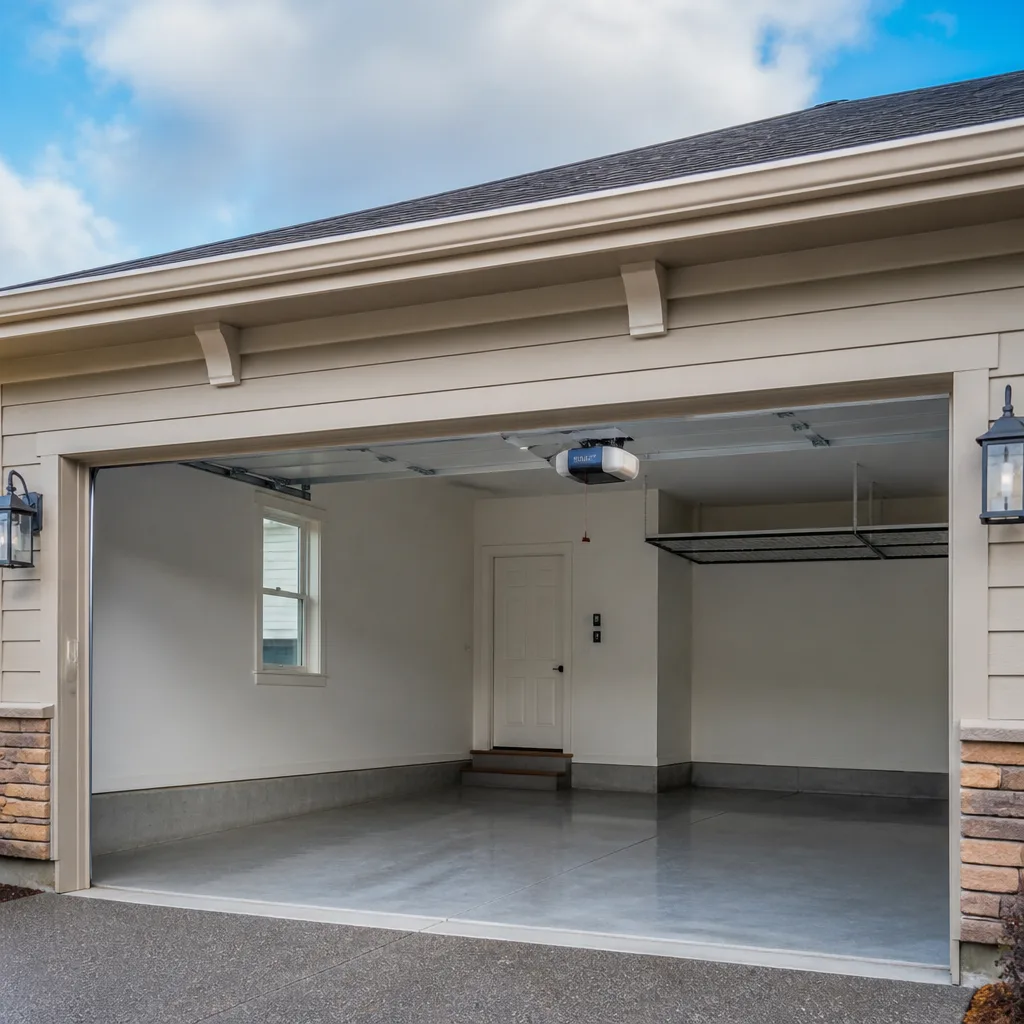 Chamberlain openers
Full 25-point door and opener safety check with every visit - springs, cables, rollers, tracks, and your LiftMaster or Chamberlain opener included
You get a price before we start. It does not change when the pro arrives.
Get your free estimateGarage Door Repair Maintenance Schedule: What to Do and When
The average garage door cycles about 1,500 times a year. Most homeowners oil it once, usually the wrong parts, and call it maintenance. Here’s the problem: a door that’s quiet doesn’t mean a door that’s healthy. Springs lose tension slowly, rollers wear into flat spots, and hinges loosen a quarter turn at a time. By the time you hear a noise, a part is already telling you something. This guide gives Skokie homeowners a maintenance calendar built around how these parts actually fail, not the vague “check your door twice a year” advice you’ll find on most manufacturer sites.
Quick Answer
A practical garage door maintenance schedule runs on four intervals: monthly safety checks, quarterly lubrication and hardware tightening, annual balance and spring-tension testing, and a professional inspection every two to three years or when a component reaches the end of its rated cycles. Which interval matters most depends on how often your door cycles, not how many months have passed. In Skokie, where doors cycle heavily through cold winters and hot summers, that difference shows up fast.
Styles & brands we work with
- Raised-panel steel
- Carriage house
- Modern flush
- Full-view glass
- LiftMaster openers
- Chamberlain openers
Table of Contents
- Why Cycle Count Beats the Calendar
- Lubrication: The Three Points That Matter (and Two That Don’t)
- Balance and Tension Tests You Can Do Safely
- Building a Brand-Specific Maintenance Log
- The One Annual Task Worth Paying For
- Seasonal Timing for Skokie Weather
- The Four-Interval Maintenance Calendar
- Common Mistakes to Avoid
Why Cycle Count Beats the Calendar
Garage door springs are rated in cycles, not years. One cycle is one open plus one close. A standard torsion spring is commonly rated somewhere between 10,000 and 15,000 cycles, and the number on the box assumes normal use. Where a calendar tells you “check the door every spring,” the cycle count tells you the truth. A retired couple who opens the door twice a day puts about 730 cycles on their springs per year. A family with two cars, school runs, and a dog walker running in and out can easily hit 3,000 or more. Same door, same springs, four times the wear.
Estimating your own annual cycle count is simple arithmetic:
- Count the average number of times your door opens and closes on a normal weekday. Include each car leaving and returning, the kid’s scooter pulled out and put back, packages in, garbage out.
- Multiply by two (open counts once, close counts once). Most households land between six and twelve cycles per weekday.
- Add weekend cycles, which usually run higher because everyone’s home.
- Multiply by 52 to get your annual figure.
A household that averages ten cycles a day is looking at about 3,650 cycles per year. At that rate, a 15,000-cycle spring has roughly four years of life, sometimes less. A household that averages three cycles a day gets a decade from the same spring. That’s why “my neighbor’s spring lasted 12 years” tells you nothing about your door. Track your cycles, and you’ll know when a spring is close to the end instead of finding out when it snaps.
We work on enough Skokie doors to see the pattern. Doors on busy residential blocks with multiple drivers cycle far more than the homeowner assumes, and the spring is usually the first part to show it. For a deeper look at how springs age and fail, our garage door spring repair page covers the mechanics.
Lubrication: The Three Points That Matter (and Two That Don’t)
Lubrication is where most DIY maintenance goes wrong. People grab a can of WD-40 or silicone spray and hit everything metal they can find. That’s not maintenance, that’s noise suppression. A few of the parts you’re spraying should stay dry, and a couple of the parts that actually need grease never get touched.
Here’s what a trained technician lubricates on a standard sectional door:
- Rollers and their bearings. A light coat on the roller stem and bearing keeps them rolling instead of dragging. Use a garage-door-specific lubricant, not a general household oil that attracts dust.
- Hinges. Each hinge pivot point gets a drop. There are usually four to six per side, and they’re the parts that squeak first when they’re dry.
- The torsion spring itself (lightly) or, on extension systems, the pulleys. A thin film on the spring coils reduces friction between coils as the door operates. It’s not a cure for a worn spring, but it slows wear.
Now the two places you should leave alone:
- The tracks. Metal rollers rolling on metal tracks don’t need lubricant, and a greased track collects grit that grinds the rollers down faster. Wipe tracks clean with a dry cloth instead. If your door uses nylon rollers, a very light application is fine, but most homeowners overdo it.
- The opener rail (on a screw-drive unit). Screw-drive openers come pre-greased from the factory, and adding lubricant can actually attract dirt into the screw. Check your opener manual before touching it, especially on a Genie or LiftMaster unit that’s designed to stay dry.
Quarterly is the right interval for lubrication in most Skokie homes. If your door lives in a dusty alley-facing bay or you cycle it heavily, monthly is reasonable. Six minutes with the right lubricant, done properly, is worth more than an hour of spraying the wrong parts.
Balance and Tension Tests You Can Do Safely
Springs are under extreme tension. That’s the whole reason a trained technician does the replacement. But there are safe tests you can perform that tell you whether a spring is losing tension before it fails. These tests involve observation and a manual lift, never adjusting, winding, or loosening anything. If anything below doesn’t check out, stop and call.
The balance test. With the door closed, pull the emergency release cord to disengage the opener. Lift the door to about waist height by hand, then let go. A balanced door should stay roughly where you left it. A door that falls on its own, or one that drops faster than you’d expect, is telling you the springs are no longer doing their job. Don’t keep lifting it. Disengage the opener, keep the door closed, and book a service call.
The half-open test. With the door disengaged and about halfway up, it should feel light. If you have to muscle it, the springs are weak. If the door feels strangely easy to lift and then slams down, that’s a serious warning sign that a spring has already broken.
What separates a spring that’s “getting old” from one that’s about to go? In our experience, three tolerances matter most:
- The door won’t hold at half height. It drifts down more than a foot when you let go. Spring tension is significantly reduced.
- The door is noticeably heavier to lift than it was a year ago. Springs lose tension gradually, and homeowners adapt to it without noticing. If you compare how it felt last season versus now, this catches failing springs early.
- The gap between spring coils. On a torsion spring, evenly spaced coils are normal. If the coils are visibly compressed together on one end or the spring has a visible gap and a stretch mark, it’s on its way out.
Nothing on this list asks you to touch a winding cone or a cable. Those are the two parts of the system that injure people, and they stay a professional’s job. What you can do safely is watch and feel, and that’s enough to catch a spring before it snaps.
Building a Brand-Specific Maintenance Log
Not every door wears the same way. A Clopay or Amarr steel door with standard rollers and hinges wears differently from a Wayne Dalton door with its proprietary TorqueMaster spring system. Logging maintenance by brand and model means you’ll know what actually needs attention when your service tech shows up, and you’ll have a record of what’s been done.
A useful maintenance log has six columns. Keep it in a notebook taped inside the garage or a note on your phone:
- Date and cycle count. Track the estimated cycles since the last entry. A phone photo of your door plus a rough date is fine if you’re not counting.
- Brand and model of the door. Clopay, Amarr, and Wayne Dalton are common in Skokie homes. Note the model number stamped on the door panel or in the owner’s manual.
- Brand and model of the opener. Genie, LiftMaster, and Chamberlain are the most common in residential installs. LiftMaster and Chamberlain share a lot of internals but the logic boards differ.
- What was done. Lubrication, tightening, balance test result, part replaced. A line per task.
- Who did it. Note if it was a homeowner task or a professional service call.
- Follow-up flag. Anything the technician mentioned as “watch this” goes here with a date to check it.
The reason brand matters: an Amarr door and a Wayne Dalton door with proprietary torsion systems have different service intervals and different parts. A generic “spring check” tells you nothing about a Wayne Dalton TorqueMaster system, because the springs are enclosed inside the tube. If your tech hasn’t seen that system before, they’ll spend the visit figuring out what they’re looking at. We service all eight of the leading brands, so we walk in already knowing your specific door and opener, which shaves time off every service call.
If your opener is the part giving you trouble rather than the door, our garage door opener repair page covers the brand-specific diagnostics we run on LiftMaster, Chamberlain, Genie, and Craftsman systems.
The One Annual Task Worth Paying For
Most maintenance is homeowner territory. One task each year is worth paying a trained technician for, and it’s not the one people usually pay for. It’s the spring-tension and cable inspection.
Here’s the reasoning. Springs and cables are under high tension and their failure modes aren’t always visible from the outside. A cable can show fraying at the drum that’s invisible unless you’re standing under it with a flashlight. A torsion spring can be within a few hundred cycles of snapping without any obvious warning. A trained eye catches those things. The rest of the annual list, you can do yourself in about six minutes:
- Wipe down the tracks with a dry cloth.
- Wipe the photo-eye lenses on both sides of the door and confirm the safety reverse works with a 2×4 flat on the floor under the door.
- Test the manual release.
- Look for loose bolts and snug them by hand or with a quarter-turn on a wrench.
- Listen for any new noise and log it.
- Run the door through two full cycles and watch the panel alignment.
The tension and cable inspection, on the other hand, is the one that’s worth a service call. When a professional is under the door checking springs and cables, they can also catch loose bearing plates, worn drums, and rollers that need replacement before they cost more to fix. Our technicians have up to 14 years of experience and have seen nearly every brand combination in Skokie, so the visit is quick and the written estimate covers anything they find.
Seasonal Timing for Skokie Weather
Skokie sits in a climate that swings hard between seasons, and that affects garage door maintenance more than most homeowners realize. Winters bring freeze-thaw cycles that work on metal hardware. Summer heat expands and softens lubricants and door seals. Spring and fall are the natural inspection windows.
We suggest these seasonal markers:
- Early spring: Post-winter inspection. Check hardware tightened during cold months (bolts loosen as metal contracts and expands), clean tracks of grit and salt tracked in from the alley, and inspect the bottom seal for cracks or separation after winter.
- Late spring: Lubrication refresh. Grease applied in fall has thinned and dried out from winter use. A fresh application carries you through summer.
- Midsummer: Seal and weatherstrip check. Heat softens rubber and can cause a bottom seal to sag or pull loose, leaving a gap that lets in pests and water.
- Early fall: Full annual inspection. This is the ideal time for the professional spring and cable check, before the door goes through winter cycling at its hardest. If a spring is losing tension, catching it in fall means it doesn’t fail in February when a broken spring leaves your car trapped inside.
- Winter: Listen, don’t adjust. Keep the door closed during the coldest snaps, watch for new noises, and log anything unusual for the spring inspection.
Skokie’s housing stock ranges from mid-century ranches with original single-car doors to newer construction in redeveloped pockets with wide two-car doors. Cycle counts vary wildly between them, and so does the maintenance profile. A single-car door on a quiet street with one driver needs far less than a family door on a busy block near the village center.
Breaking down further by neighborhood feel: an older Skokie door with decades-old hardware needs annual professional inspection priority, while a newer Clopay or Amarr install may only need it every two to three years. If you’re not sure which category yours falls into, our garage door repair page has more on how we diagnose by age and system type.
The Four-Interval Maintenance Calendar
Putting it all together, here’s the schedule that works for most Skokie homes. Each interval is a self-contained task list, matched to what actually fails at that cadence.
Monthly – no tools, five minutes
- Visually inspect the door tracks for debris and wipe with a dry cloth.
- Listen to the door through one full cycle and note any new noises.
- Confirm both safety sensors are lit and the door reverses when something is in the beam.
- Look at the door panels for cracks, alignment shifts, or sagging.
Quarterly – ten minutes, one tool
- Lubricate hinges, roller stems, and the spring (lightly). Skip the tracks.
- Snug any visibly loose bolts on hinges and the track brackets.
- Wipe down the photo-eye lenses and test the safety reverse.
- Log the date and any noted changes in your maintenance record.
Annually – homeowner, six minutes
- Balance test (door disengaged, half height, should hold).
- Manual release test (should disengage smoothly).
- Inspect the bottom seal and weatherstrip.
- Full clean of the tracks and a fresh lubricant application on the right parts.
Every two to three years (sooner for high-cycle homes) – professional
- Spring tension and cable inspection.
- Bearing plate and drum check.
- Roller and hinge wear assessment.
- Opener drive system inspection (belt, chain, or screw, depending on the unit).
- Written report of findings and estimate for anything that needs addressing.
If your home is a two- or three-car household, or the door cycles more than ten times a day, shift the professional inspection to every 18 months rather than every two years. Cycle count rules over calendar, always.
Common Mistakes to Avoid
- Spraying WD-40 on the tracks. It attracts grit and slows the door down. Tracks stay dry, rollers get the lubricant. In Skokie, where alley grit is a constant, a greased track grinds rollers down faster.
- Ignoring a door that won’t stay at half height. A door that drifts down when released isn’t just annoying. It’s telling you the spring has lost tension, and it will eventually snap or drop.
- Treating a torsion spring like a bike chain. You can lubricate the coils, but you never adjust the winding cone. That’s a professional task and a genuine injury risk.
- Skipping the manual release test. A door whose emergency cord won’t release cleanly is a door that can trap you in or out. Test it once a year, and note if it feels stiff.
- Assuming brand doesn’t matter. A Wayne Dalton TorqueMaster system is not a standard torsion setup. Generic maintenance advice and generic service visits miss these systems entirely.
- Ignoring the bottom seal. Skokie’s freeze-thaw cycles crack seals fast, and a bad seal lets in water, cold, and pests. It’s one of the cheapest parts to replace and one of the most overlooked.
- Waiting for a bang to replace the spring. A snapped spring catches homeowners by surprise because they never had a maintenance schedule that caught wear before failure. With a cycle count and an annual inspection, you’ll know.
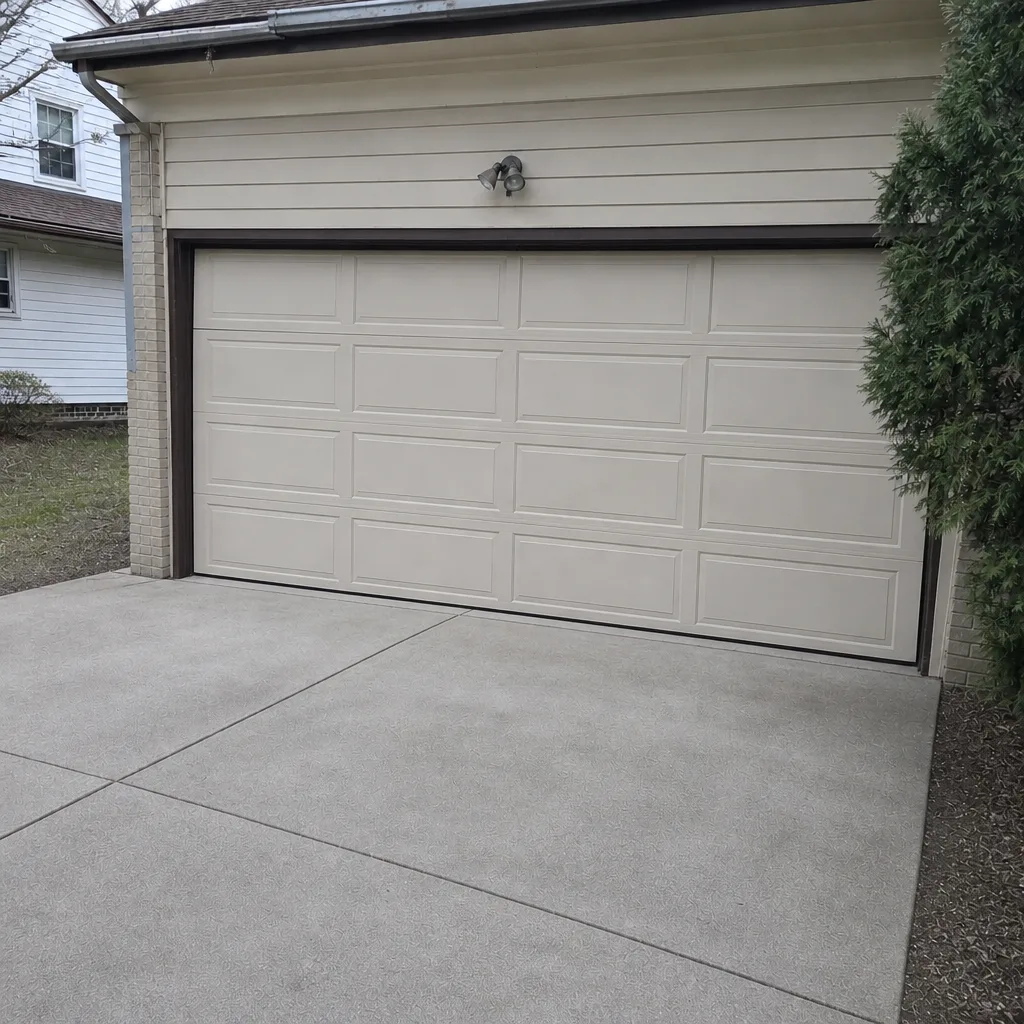
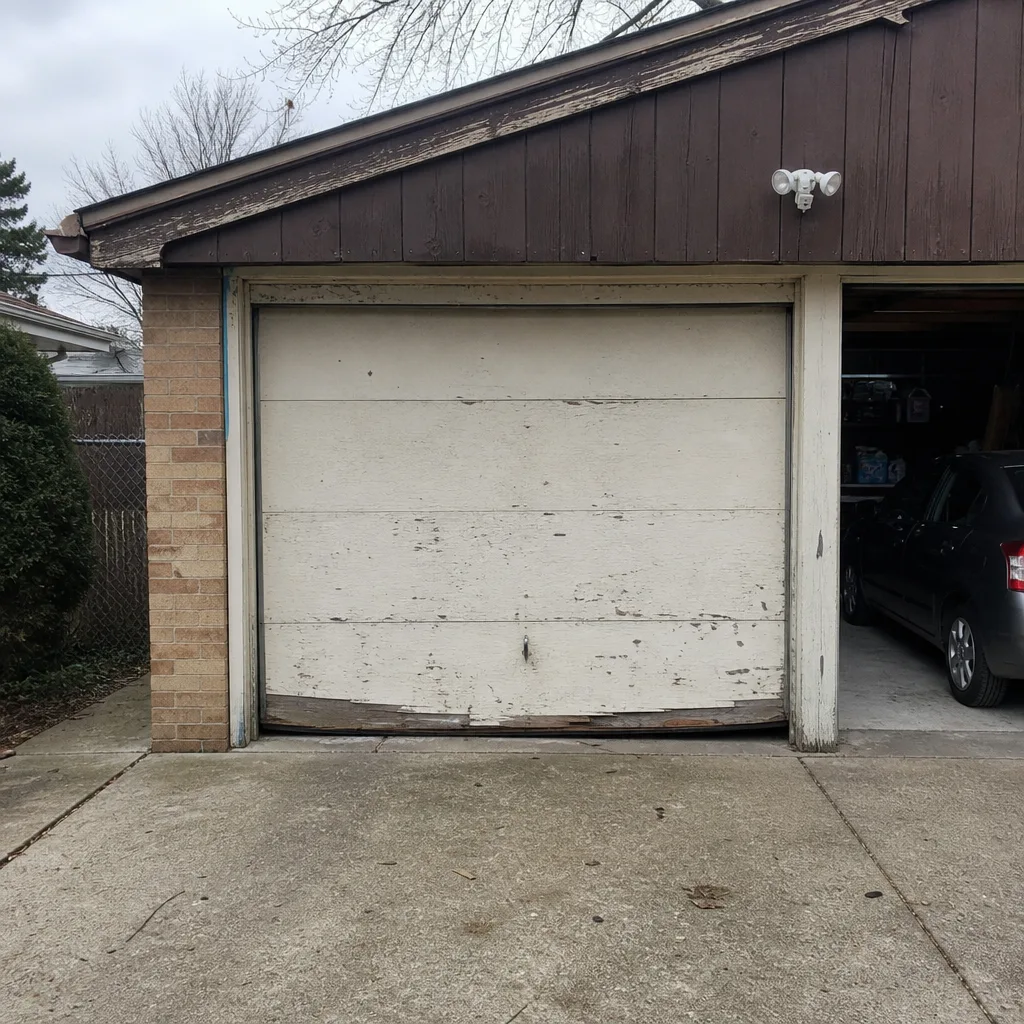
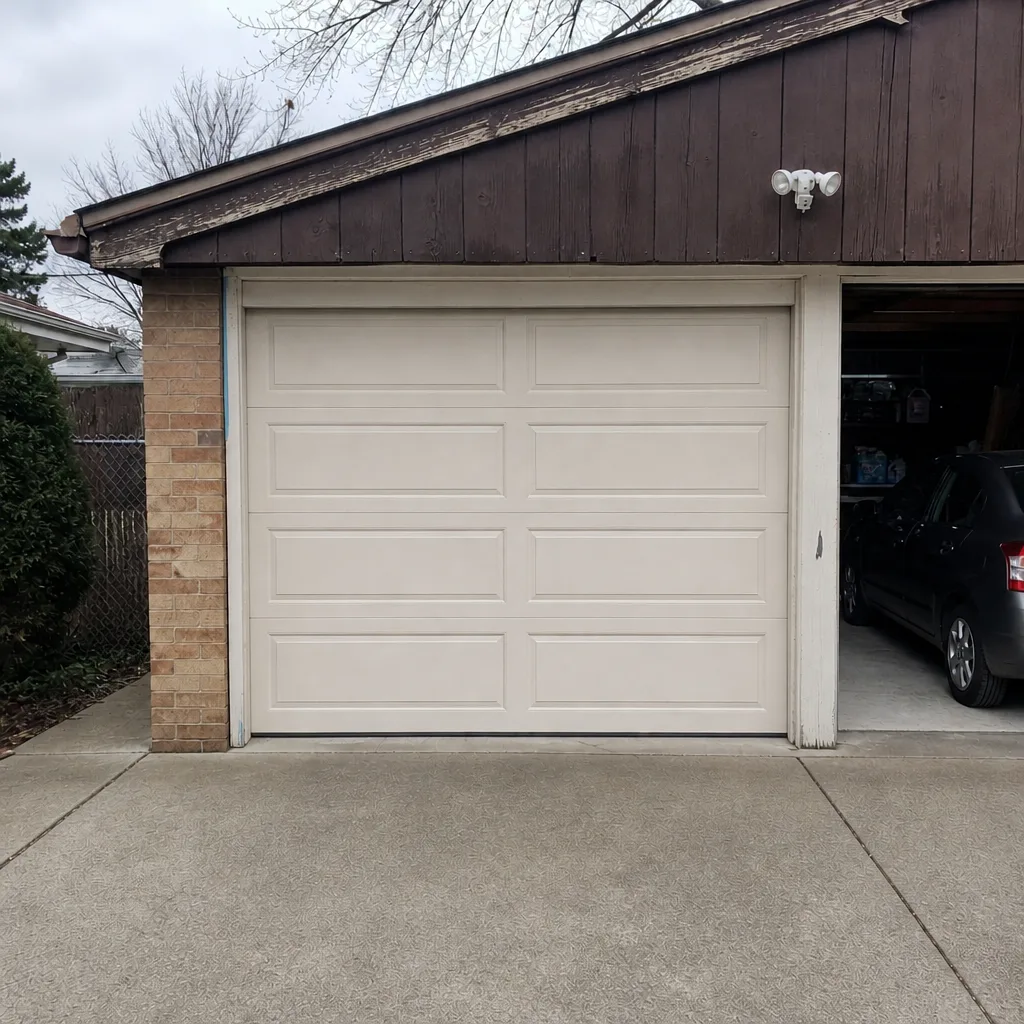
See the difference
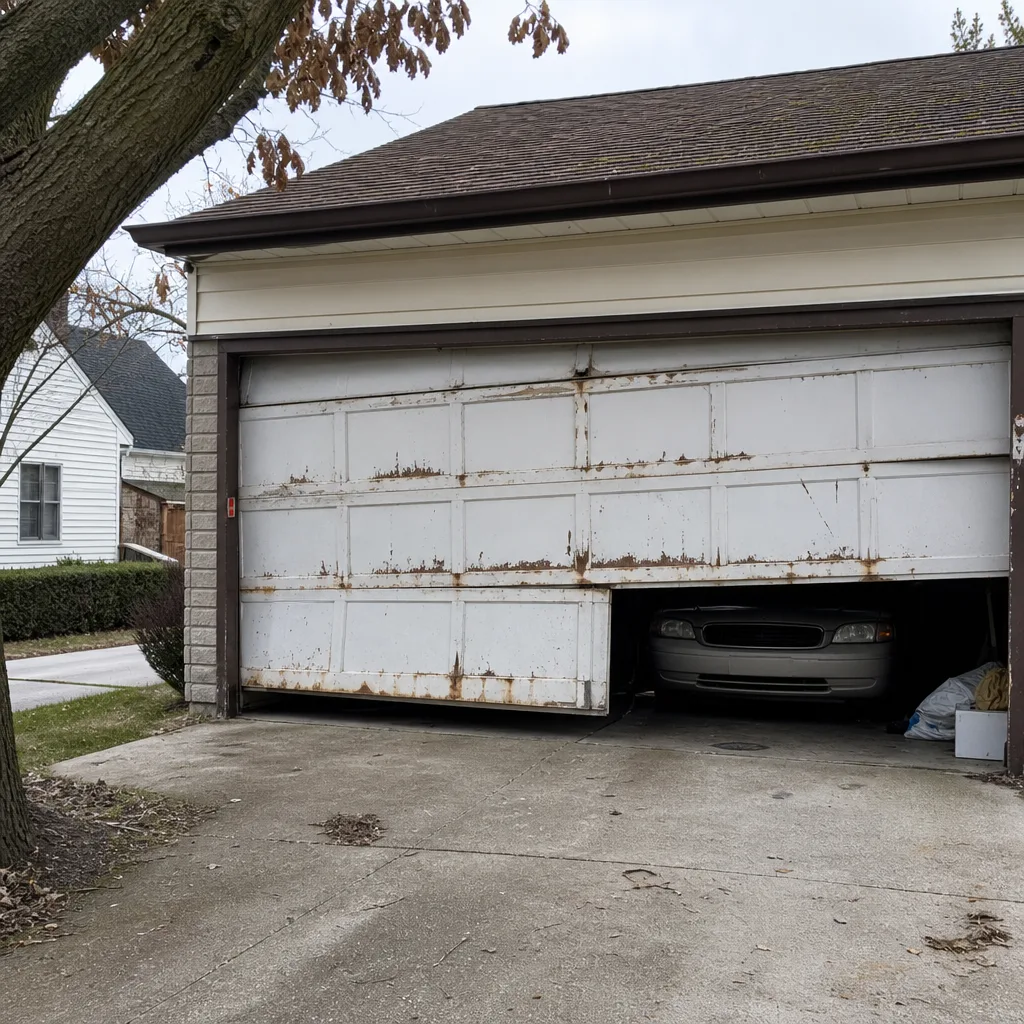 Before
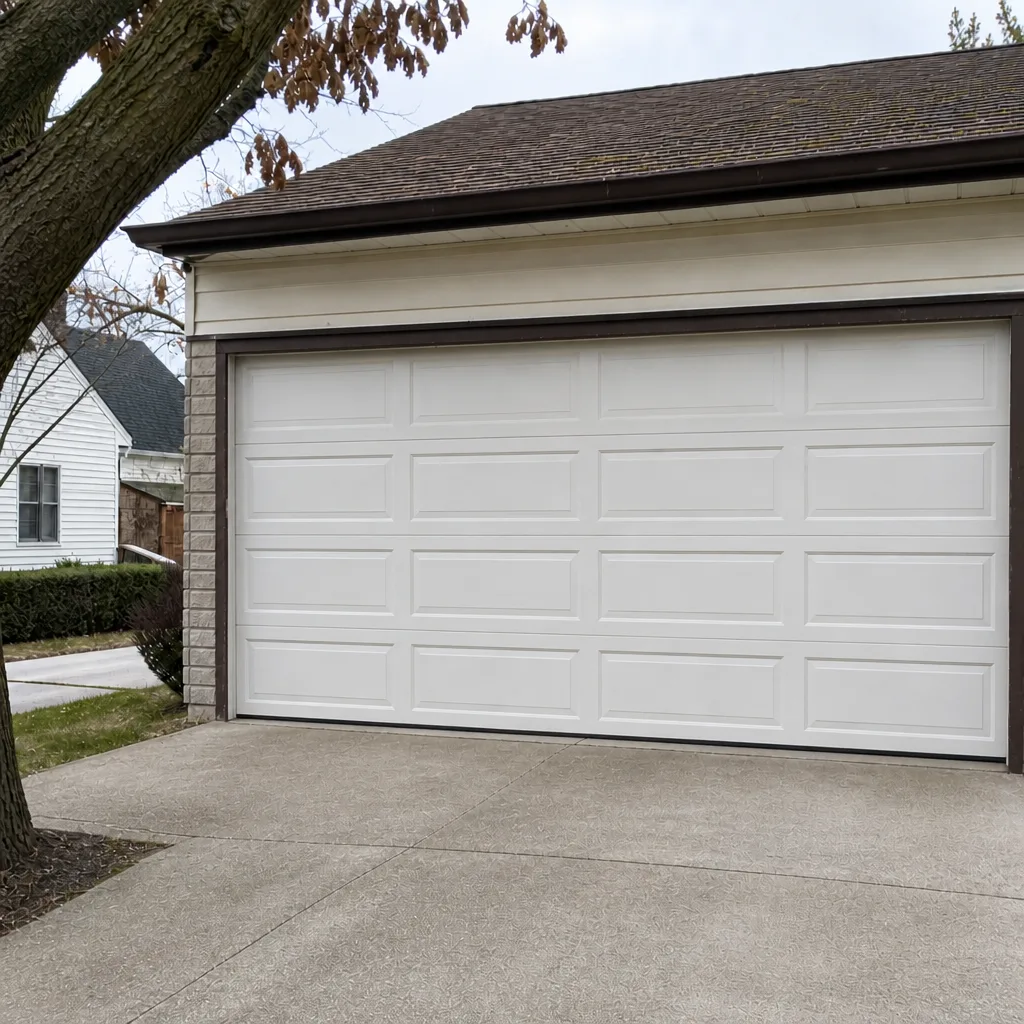 After
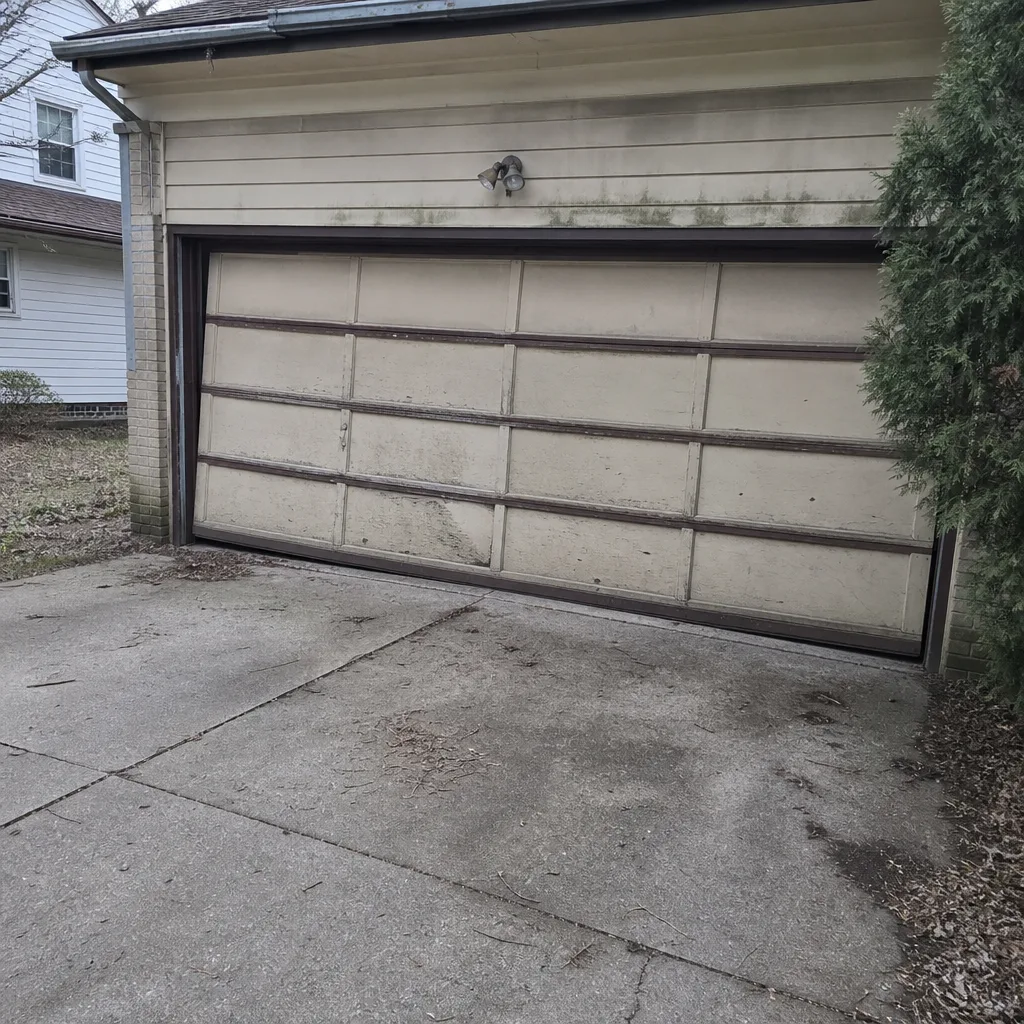 Before
 After
 Before
 After
When to Call a Professional
Some maintenance is worth your own time. Some should never be attempted. Call a professional if you hear a loud bang from the garage (that’s typically a snapped spring), if your door won’t stay at half height when disengaged, if you see a visibly frayed cable at the drum, if the door is crooked or off-track, or if the opener runs but the door doesn’t move. Emergency service matters in Skokie when a broken door leaves a car trapped or your home accessible – we respond to time-sensitive calls and prioritize the situations that can’t wait. Skokie Garage Door Repair Co offers free estimates in Skokie – call (844) 670-3544.
Frequently Asked Questions
Most garage doors need professional service every two to three years, or every 18 months if the household cycles the door more than ten times a day. Homeowner maintenance (lubrication, tightening, safety checks) runs monthly to quarterly on top of that. If you track your cycle count, the correct interval is obvious – a high-cycle door needs service more often than a low-cycle one, regardless of how many years have passed. Call (844) 670-3544 for a free estimate on a service visit.
The annual spring tension and cable inspection is the single most important item. Springs and cables fail without obvious warning, and their failure can leave you trapped out or in. Homeowner lubrication and safety checks keep the door running smooth, but the professional spring inspection is what prevents the failure that actually disrupts your day. In Skokie, we recommend the professional inspection in early fall, before the door enters high-cycle winter use.
Yes, with the right lubricant and the right targets. Hinges, roller stems, and a light coat on the spring coils benefit from quarterly lubrication. Tracks should stay dry, and screw-drive opener rails should be left alone. What you should not do is touch the winding cones, cables, or drums – those are under high tension and belong to a trained technician regardless of experience. If you want to know exactly what we lubricate, call (844) 670-3544 for a walkthrough, or get a written quote for a professional service visit.
The clearest sign is that your door no longer holds its balance at half height when you disengage the opener and let go. Other signs: it feels noticeably heavier to lift than a year ago, there’s a visible compressed or stretched section on the coil, or you’ve started to hear a pop or creak that wasn’t there before. A high-cycle Skokie home can burn through a standard spring in four to five years, so tracking cycle count is the most reliable early warning. Call us for a spring inspection – estimates are free.
No, the written estimate sets the price before any work begins. We inspect, quote what needs to be done, and you decide before we start. That’s true for a routine service visit and for a spring replacement. If something unexpected comes up during the work that wasn’t visible in the inspection, we stop and get your agreement before continuing. Call (844) 670-3544 for a free estimate.
The generic schedule applies to any sectional door, but the specifics shift by brand. A Wayne Dalton door with the proprietary TorqueMaster system encloses its springs inside a tube, so a visual gap check doesn’t apply; a balance test and professional inspection do. Clopay and Amarr doors with standard torsion setups follow the standard schedule as written. The best thing you can do is keep your model number in your maintenance log and mention it when you book service so the technician arrives prepared. We service all the leading brands and can work on yours without a learning curve. Call (844) 670-3544 for an appointment.
The Bottom Line
A maintenance schedule for a garage door isn’t about doing more. It’s about doing the right task at the right interval. Monthly safety checks and quarterly lubrication keep the door quiet and smooth. Annual balance tests and professional spring inspections catch the parts that fail with no warning. Cycle count beats the calendar, brand matters for service intervals, and the one task worth paying for is the spring and cable inspection that a homeowner should never attempt. Skokie homeowners who build this into a simple log will know when a component is due for replacement instead of finding out when it breaks. If you’d rather hand off the inspection and get a written report with an honest estimate, we’re here in Skokie – Skokie Garage Door Repair Co serves the full range of repair, opener, and installation needs. For a deeper dive into what we handle on a service call, our garage door repair page walks through the diagnosis. Call (844) 670-3544 for a free estimate.
Written by the team at Skokie Garage Door Repair Co.