Last updated November 23, 2026
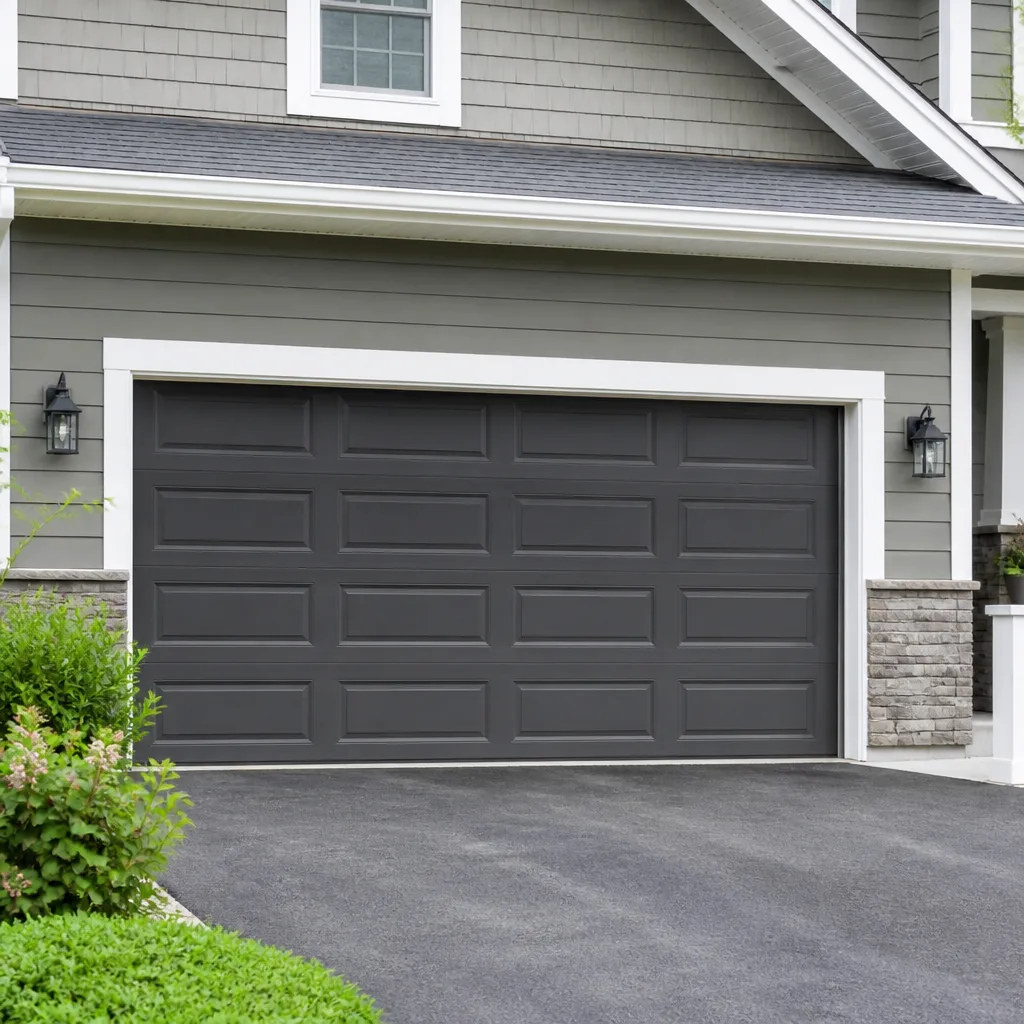 Raised-panel steel
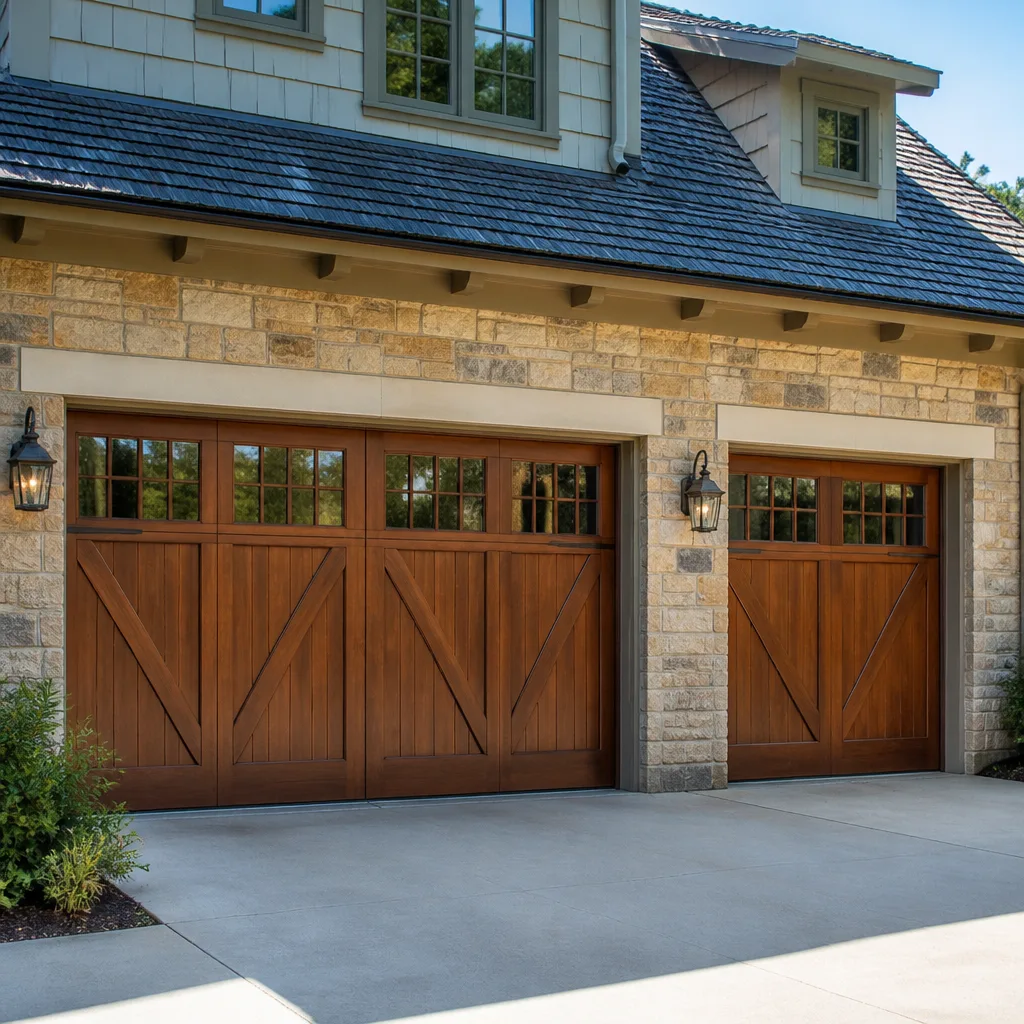 Carriage house
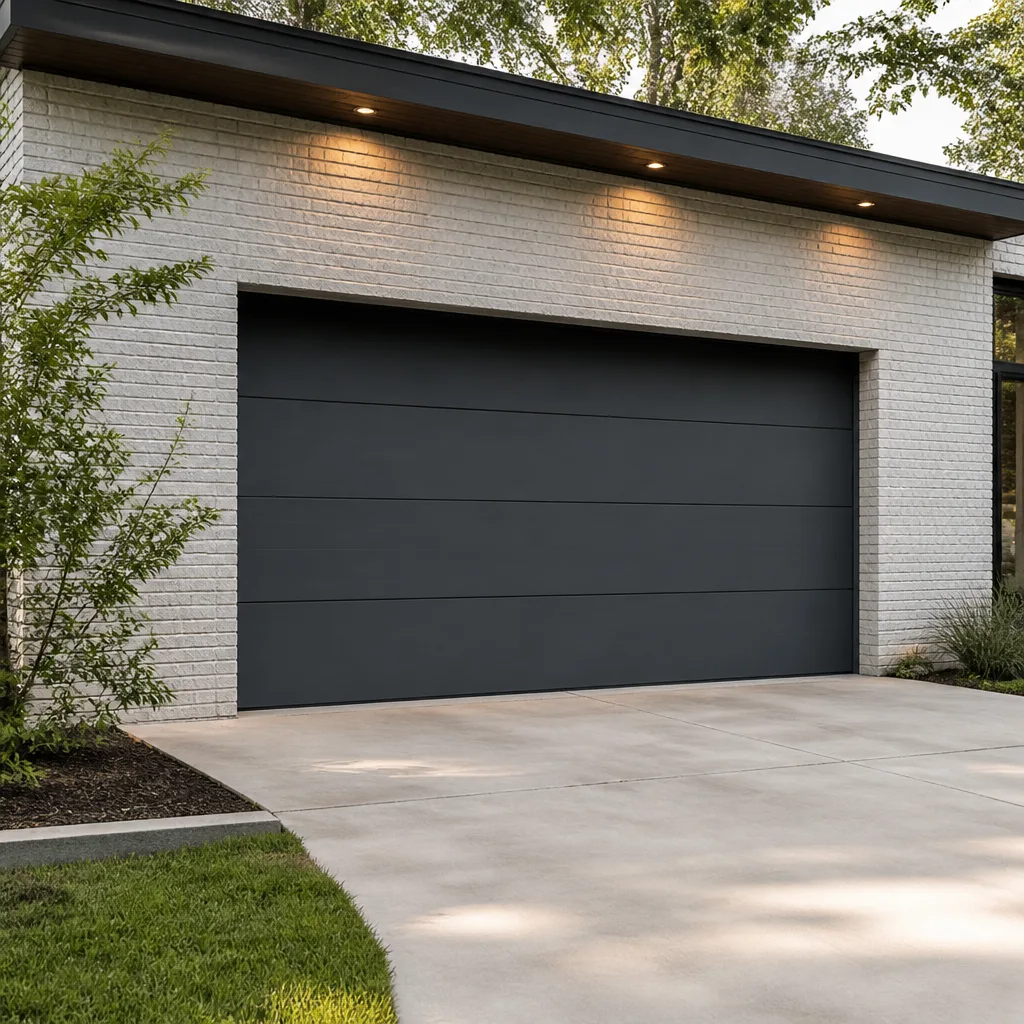 Modern flush
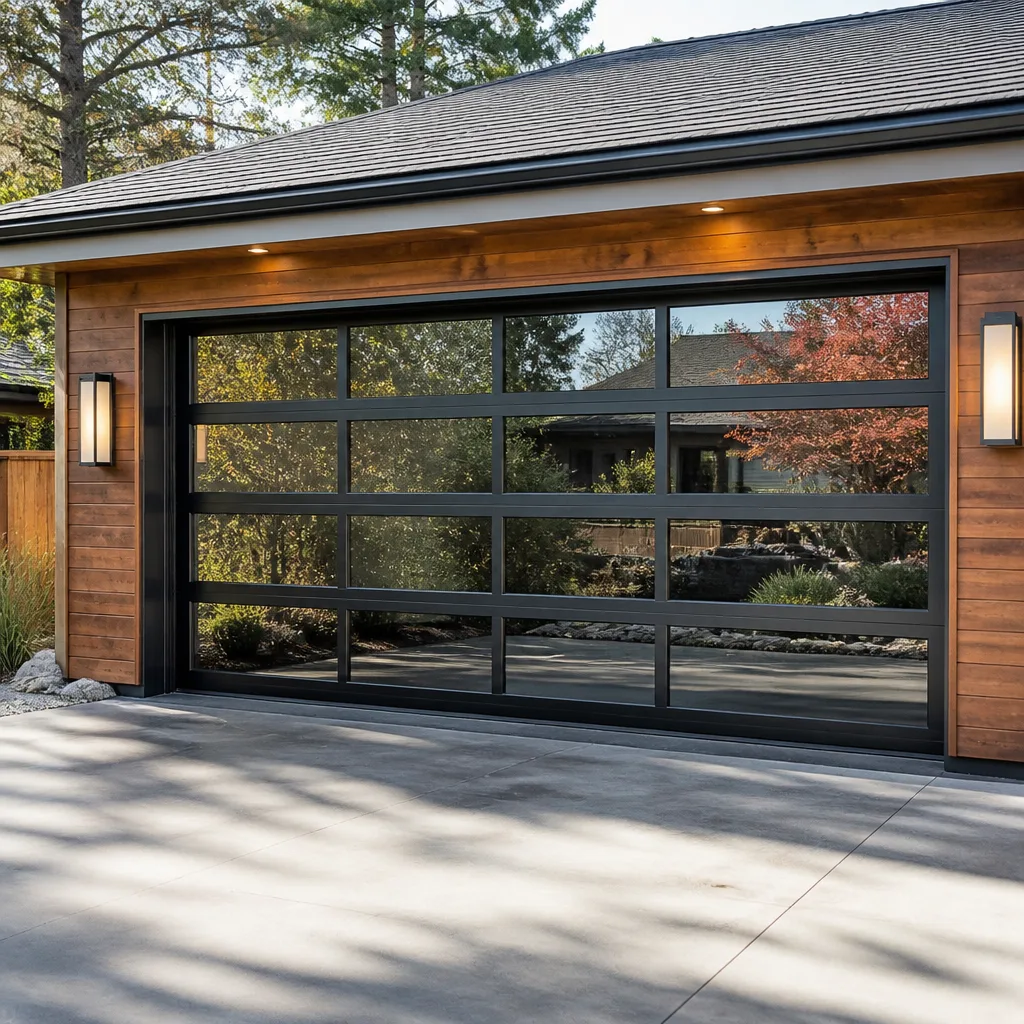 Full-view glass
 LiftMaster openers
 Chamberlain openers
Full 25-point door and opener safety check with every visit - springs, cables, rollers, tracks, and your LiftMaster or Chamberlain opener included
You get a price before we start. It does not change when the pro arrives.
Get your free estimateGarage Door Permits, Codes & Inspections in Skokie, IL: What You Need to Know
Here’s the part most homeowners learn too late: a garage door replacement can require a permit in Skokie, while a spring swap almost never does. That gap trips people up because both feel like “fixing the garage.” One is routine maintenance. The other is construction work that touches the structure of your house. Get the classification wrong and you can end up with a door that works fine but paperwork that raises questions when you sell. This guide walks through what the Village of Skokie actually cares about, how the building department reviews a garage door permit, what Illinois energy code asks of a new door, and what happens if unpermitted work turns up in a title search. If you’re planning work on a garage in Skokie, read this before anyone touches the opening.
Quick Answer
In Skokie, a permit is generally required when garage door work changes the structure: enlarging or altering the opening, replacing the header, changing the framing, or installing a new electrical circuit for an opener. Replacing a like-for-like door in the same opening, or swapping a spring, cable, or panel, typically doesn’t require a permit. Always confirm with the Village of Skokie Building Department before work begins, because the final call is theirs and it depends on the specifics of your job.
Styles & brands we work with
- Raised-panel steel
- Carriage house
- Modern flush
- Full-view glass
- LiftMaster openers
- Chamberlain openers
Table of Contents
- What Triggers a Garage Door Permit in Skokie (and What Doesn’t)
- How the Village of Skokie Building Department Handles Permit Applications
- Illinois Energy Code and Your New Garage Door
- What Happens at a Garage Door Inspection
- How Unpermitted Work Shows Up in a Title Search
- Repair First or Replace? How Skokie Homeowners Decide
- How Skokie’s Climate and Housing Shape Garage Door Work
- Working With a Skokie Garage Door Specialist
What Triggers a Garage Door Permit in Skokie (and What Doesn’t)
The single biggest source of confusion we run into is the difference between maintenance and construction. Homeowners tend to think of “garage door” as one category. The building department doesn’t. It looks at whether the work changes the structure, the electrical system, or the load path of the house. If it does, you need a permit. If it doesn’t, you usually don’t.
Work that generally requires a permit
- Changing the size or height of the door opening, including widening a single bay to fit a double door.
- Replacing or modifying the header above the opening, or altering how the framing transfers load.
- Cutting a new opening into a wall that didn’t previously have one.
- Installing a new dedicated electrical circuit for a garage door opener where none existed.
- Structural repair after impact or settling that affects the door frame or jambs.
Work that generally does not require a permit
- Replacing torsion or extension springs with the same type and capacity.
- Swapping cables, rollers, hinges, or drums.
- Replacing damaged panels with matching panels in the existing track.
- Replacing an opener with a new unit that uses the existing circuit and outlet.
- Routine adjustment of tracks, limits, and safety sensors.
Two important caveats. First, these are general patterns, not a guarantee for your specific house. Second, replacing a door in the same opening is usually fine without a permit, but there are exceptions when the new door is significantly heavier or changes the wind-load characteristics of the opening. Ask the Village of Skokie Building Department before you order a door, not after it’s on the truck. When we handle garage door repair, we flag anything that looks permit-bound so the homeowner can make the call early.
How the Village of Skokie Building Department Handles Permit Applications
Skokie’s building department reviews garage door permits like any other residential structural or electrical permit. Applications are accepted online and in person at the Village offices, and the department publishes its current forms and fee schedule online. The process is manageable, but it moves on the department’s timeline, not yours.
The application process, step by step
- Confirm whether you need a permit. Call the building department with a short description of the work, or submit a question through the Village’s online portal. Be specific: door size, opener electrical changes, and whether the opening is being modified.
- Gather supporting documents. Most garage door applications need a property survey or site plan, a description of the work, and manufacturer specifications for the new door or opener. Structural changes require more detail, sometimes a stamped drawing from an engineer.
- Submit the application. Online submittal is fastest for straightforward residential work. In-person is fine but adds a trip and usually a wait.
- Pay the fee and wait for review. Residential permit reviews are typically days to a couple of weeks depending on complexity and how busy the department is. Incomplete applications get returned, which resets the clock.
- Schedule the inspection. Most garage door permits require at least one inspection after the work is done. Inspection scheduling runs through the Village, and a same-week slot isn’t guaranteed.
- Get the final sign-off. Keep the approved permit and inspection record with your home documents. This is the piece that protects you at resale.
One practical point: the review and inspection timeline should shape your installation schedule. We don’t promise same-day service on installations, and neither should anyone else. The right sequence is measure, order, permit if needed, install, inspect. Rushing install before permit review is how people end up with unpermitted work. For a straightforward replacement of an opener, garage door opener repair or a like-for-like swap usually skips the permit entirely.
Illinois Energy Code and Your New Garage Door
Illinois adopts a statewide energy code, and it applies to new garage door installations when the garage is attached to conditioned living space. A garage isn’t a living room, but it’s usually a semi-conditioned buffer, and the door between the garage and the house has thermal requirements. If you’re replacing the garage door itself on an attached garage, an insulated door is often the practical answer, and the code reviewer may ask for the door’s thermal specifications.
What this means for a new door
- Attached garage: insulated doors are the default. Reviewers may ask for manufacturer documentation on thermal performance. Your installer should have this ready to attach to the permit application.
- Detached garage: energy code is less engaged, but a well-insulated door still helps with humidity and protects anything stored inside.
- Garage-apartment or conditioned conversion: treat it like living space. A door with a strong thermal rating is the expectation, and the reviewer may want the specs in writing.
- The door between house and garage (the service door): this is where the code is most explicit, and it’s also where a marginal door lets cold air into the house.
We don’t need to overstate this. Most residential garage door replacements in Skokie clear the energy code without drama, especially when the installer documents the door’s insulation. The trap is buying a budget uninsulated door for an attached garage and then failing review. Ask your installer for the thermal specs on any Clopay or Raynor door you’re considering, since both lines have documented insulation values you can attach to the application. The Skokie Garage Door Repair Co team can help you match a door to your garage type before you commit.
What Happens at a Garage Door Inspection
The inspector isn’t there to test your spring. Their job is to verify the installed work matches the approved permit and meets code. That means the door, the opening, and the electrical work are checked against the plan you submitted. If you did a like-for-like swap and the door is a different size or model than what was on the application, that’s the most common reason for a correction notice.
What the inspector typically checks
- Door matches the approved specs. Size, model, and window configuration should match the application.
- Opening and framing are as submitted. If the opening was modified, the structural work is checked.
- Electrical is up to code for a new circuit. Opener wiring and any new outlet are checked for proper installation and access.
- Safety features are in place. Safety sensors, reversing mechanisms, and any required labeling for new openers.
- Insulation documentation is on file if the energy code applies.
If the inspection fails
- Read the correction notice carefully. It names the specific items and the deadline.
- Check whether the issue is paperwork or physical work. A mismatched model number is paperwork. A missing safety sensor is physical.
- Fix and reschedule. Most corrections are resolved in a single follow-up. Bring new documentation if the correction was on the spec sheet.
- Keep the final sign-off. The signed inspection record is what proves at resale that the work was permitted and inspected.
In our experience, most garage door inspection failures in Skokie come down to the door on the truck not matching the door on the permit. We measure and confirm the model before any order is placed so that doesn’t happen. If you’re weighing repair against a full replacement, the garage door spring repair team can tell you whether the existing door is a keeper or a replacement.
How Unpermitted Work Shows Up in a Title Search
This is the part that costs people money. When a buyer’s title company pulls records, they check for open permits. An unpermitted garage door installation usually shows up in one of two ways: as a permit that was pulled but never closed out (no final inspection), or as work that never had a permit in the first place but is visible in a home inspection. Either can slow or sink a closing in Cook County, and the fix is easier before the listing than after.
What actually happens at resale
- A buyer’s inspector notices a new door or a modified opening and asks for permit records.
- The title company flags an open permit or an inconsistent record.
- The seller has to pull the permit retroactively, arrange inspection, and potentially correct anything that doesn’t pass.
- The closing gets pushed until the record is clean, or the seller credits the buyer to handle it after closing.
How to resolve it retroactively
- Call the Village of Skokie Building Department and ask whether there’s an open permit on the property, and what records exist for the garage work.
- Determine whether the work needs a retroactive permit. Most do; some minor work can be documented with an affidavit instead.
- Submit the retroactive application with whatever documentation you can gather. Photos of the installed work help.
- Schedule the inspection. Any corrections have to be made before the final sign-off.
- Close the permit and keep the record in your home file. The buyer’s title company wants to see this resolved in writing.
None of this is meant to scare you. It’s just cheaper to get it right the first time. We’re careful about which jobs we flag as permit-bound because we’ve seen how this plays out in closings.
Repair First or Replace? How Skokie Homeowners Decide
Before you ask whether you need a permit, ask whether you need a new door at all. A lot of garage door failures that feel like replacement territory are repairs in disguise. Springs, cables, rollers, and openers account for most of what breaks, and none of those are permit-bound. A full door replacement is the big swing when the panels are rusted through, the track is bent beyond repair, or the door is so old that parts are hard to source.
Signs a repair is likely enough
- The door seems to want to come down fast, or won’t stay up on its own. That’s a spring issue, not a door issue.
- The door binds in one area of travel. Usually a track or roller issue.
- The opener runs but the door doesn’t move. Often a stripped gear or a broken carriage.
- The safety sensor light blinks and the door won’t close. Sensors or alignment.
- The door is loud. Rollers are worn, or the hinge points need attention.
Signs a replacement is the honest answer
- Panels are bent or rusted through in multiple spots, so the door won’t close flush to the opening.
- The track is bent enough that the rollers can’t run smoothly even after adjustment.
- The door is more than two decades old and replacement parts aren’t made anymore.
- You’re replacing an uninsulated door on an attached garage and want the energy performance.
- You’re changing the opening size, which is a permit job regardless.
A Craftsman opener from an older install is one of the systems we see regularly in Skokie, and the good news is we can usually tell you in a short visit whether a repair will hold. If the honest answer is replacement, we’ll say so. We handle the full arc from diagnosis to install, so you’re not sourced out to a second company when a repair turns into a replacement conversation.
How Skokie’s Climate and Housing Shape Garage Door Work
Skokie gets real winter. Freeze-thaw cycles run through the season, and a garage that isn’t fully conditioned goes through cold mornings and warmer afternoons for months. That cycle is hard on springs, cables, and seals, and it’s also why an uninsulated door on an attached garage is less practical here than in mild climates. The garage works as an air buffer between the cold outside and the house, and an insulated door holds that buffer better.
What the seasons do to a garage door
- Lubricant thickens in cold weather, so a door that runs quietly in July may groan in January.
- Seals harden and crack earlier on west- and north-facing doors.
- Wood components on older doors can swell and bind in wet springs.
- Metal tracks expand and contract slightly, and screws work loose over a few seasons.
- Springs cycle through load thousands of times a year, and cold weather accelerates the fatigue.
Neighborhood-scale context matters too. The housing mix across Skokie runs from older single-family homes with detached garages to townhome clusters with attached garages, and the door type roughly tracks the housing. Older detached garages tend to have single-car openings and simple extension springs. Newer attached garages are more likely to have double doors with torsion springs. Both configurations are fine. They just fail differently, and the permit picture differs too, since attached garages are where energy code and electrical details come into play.
Springs are the real safety story
A torsion or extension spring is stored energy. When it fails, it does so suddenly and loudly, and it can cause serious injury if someone is standing under the door. We handle spring work as a core specialty, not a side job. Trained technicians with the right winding bars and the right spring capacity. Homeowners should never try to wind, unwind, or remove a spring. It’s one of the few repair tasks in the house where the safety case is genuinely hard to argue with. Certifications across LiftMaster, Chamberlain, Genie, Clopay, Amarr, Wayne Dalton, Craftsman, and Raynor mean our technicians arrive already familiar with the system on your door, so there’s no guesswork on the spring capacity or the opener’s limits.
Working With a Skokie Garage Door Specialist
Most of what we do at Skokie Garage Door Repair Co is repair work: springs, cables, openers, tracks, and panels. The permit questions come up when a repair turns into a replacement, or when a homeowner is planning a full door swap on their own and wants a specialist to handle the technical side. We’re happy to be in that conversation, and we’re equally happy to tell you the repair is the better answer when it is.
What we cover
- Spring replacement, torsion and extension, handled as a specialty.
- Opener repair on the brands that dominate residential installs, including LiftMaster, Chamberlain, Genie, and Craftsman.
- Diagnosis and repair across eight major door and opener brands.
- Full door replacement with proper measuring, ordering, and installation.
- Emergency service when a stuck or broken door crosses into security or access territory.
The price is quoted and agreed before any work starts, and the written estimate is the price. Same-day service and fast dispatch from 7am to 7pm are part of what we offer on repair calls. Installations are measured, ordered, and scheduled, so the free measure and written price come first. Our technicians have up to 14 years of experience. The local pro is licensed and insured as the state requires.
Common Mistakes to Avoid
- Assuming a like-for-like swap never needs a permit. It usually doesn’t, but changing the door weight, size, or wind-load class can change that. Confirm with the Village of Skokie Building Department before ordering.
- Pulling the permit after the door is already in. That’s the retroactive path, and it’s slower and more expensive. Pull the permit before the install date, not after.
- Skipping the final inspection. An open permit on the record is the most common unpermitted-work flag in a Cook County title search. Get the sign-off, keep the paperwork.
- Buying an uninsulated door for an attached garage. On an attached garage in Skokie, an insulated door is the practical choice and often what the energy code expects. Don’t try to save here.
- Letting a handyman install a torsion spring. Disassembling a torsion spring without the right tools is one of the genuinely dangerous DIY jobs in a house. Use a trained technician.
- Mismatching the model number on the permit application. If the door installed isn’t the door on the application, inspection fails on paperwork alone.
- Not providing manufacturer specs for a new opener’s electrical work. A new dedicated circuit needs proper documentation, and reviewers will ask for it.
See the difference
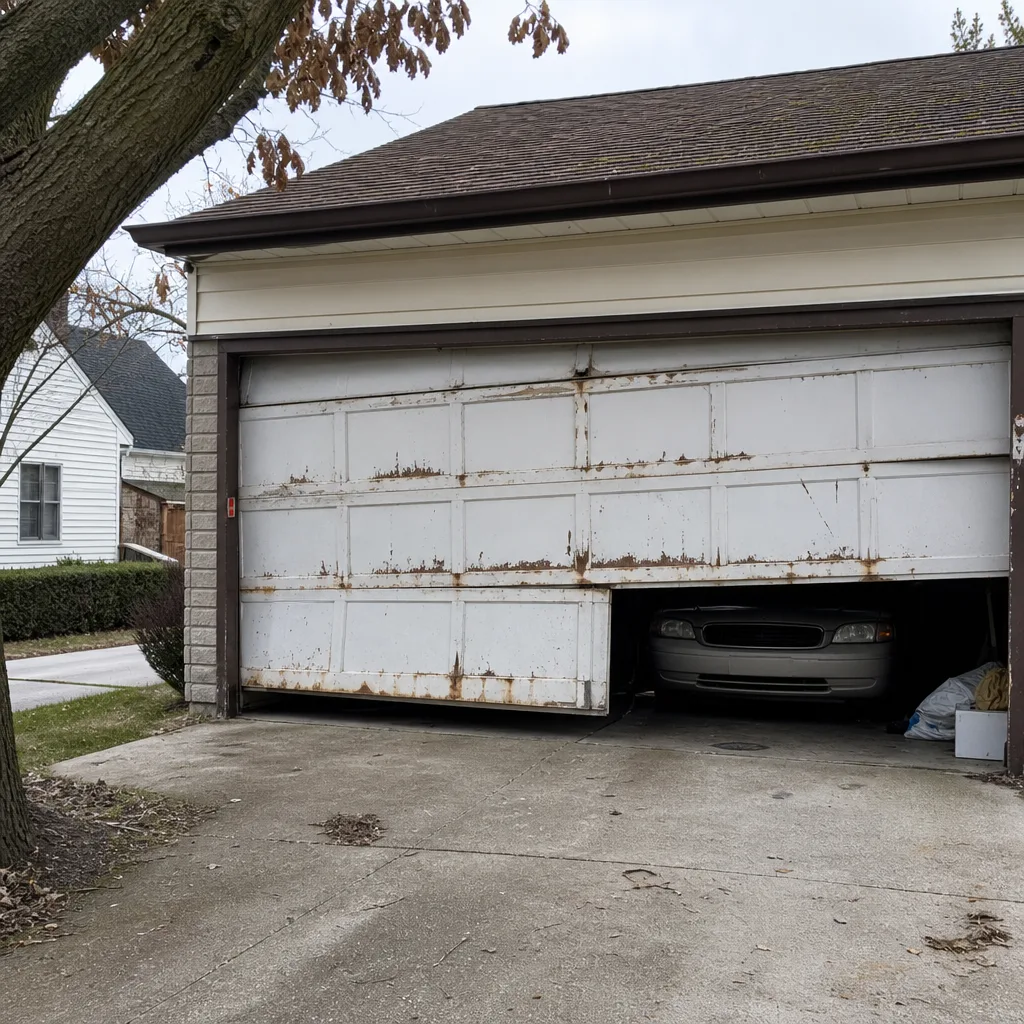 Before
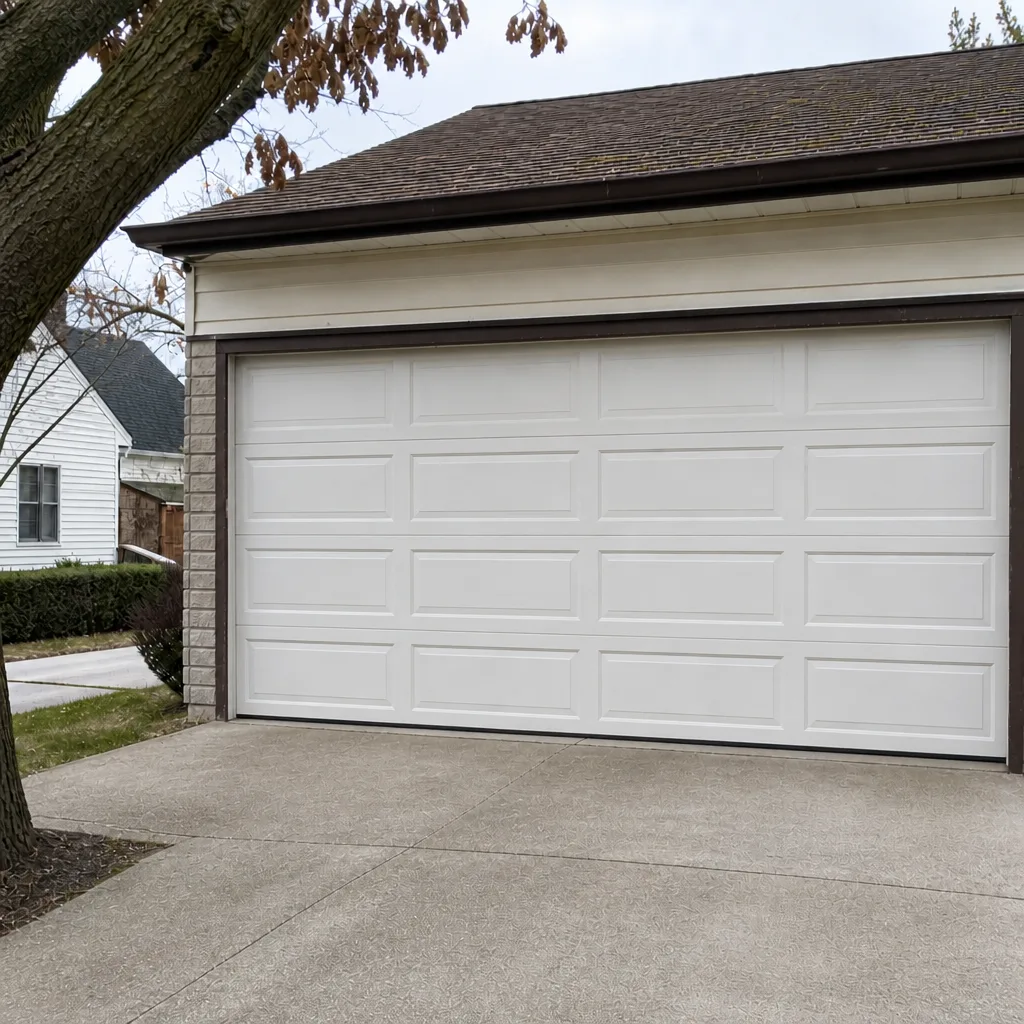 After
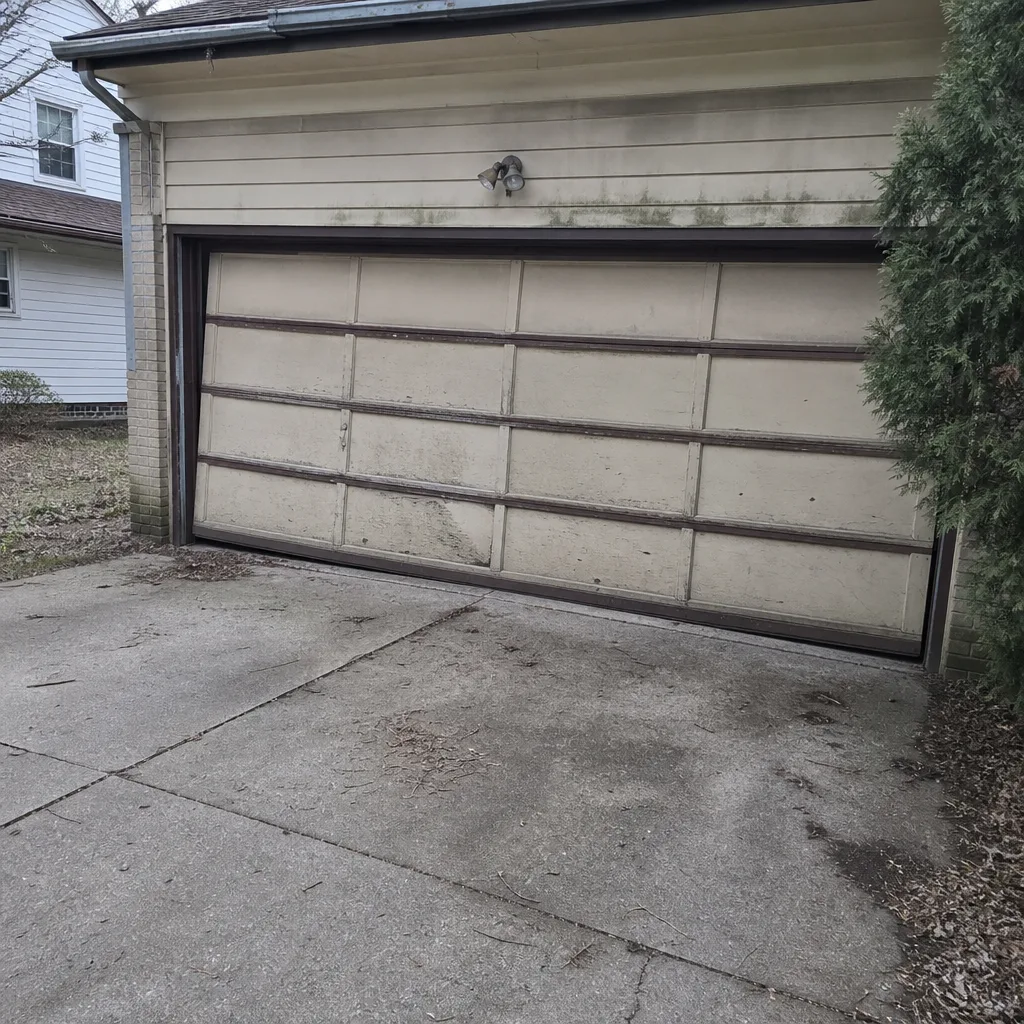 Before
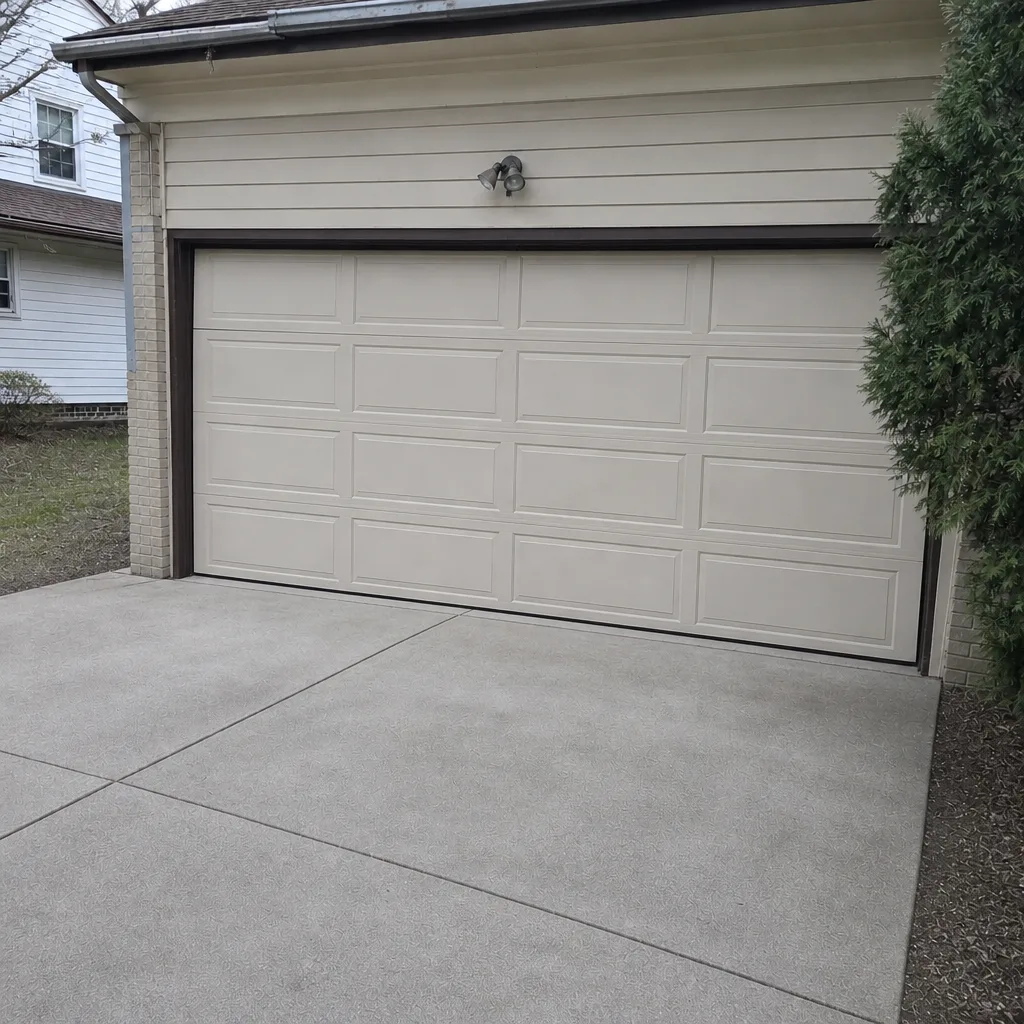 After
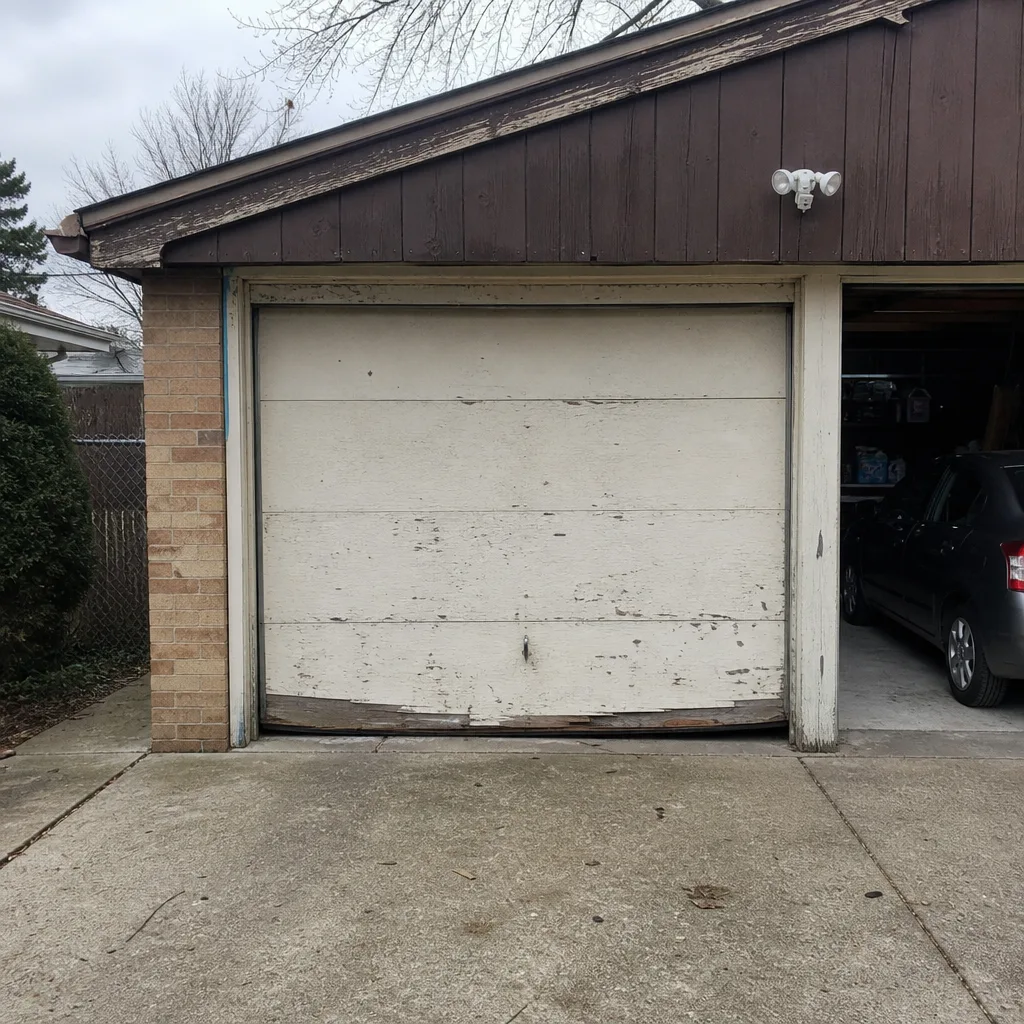 Before
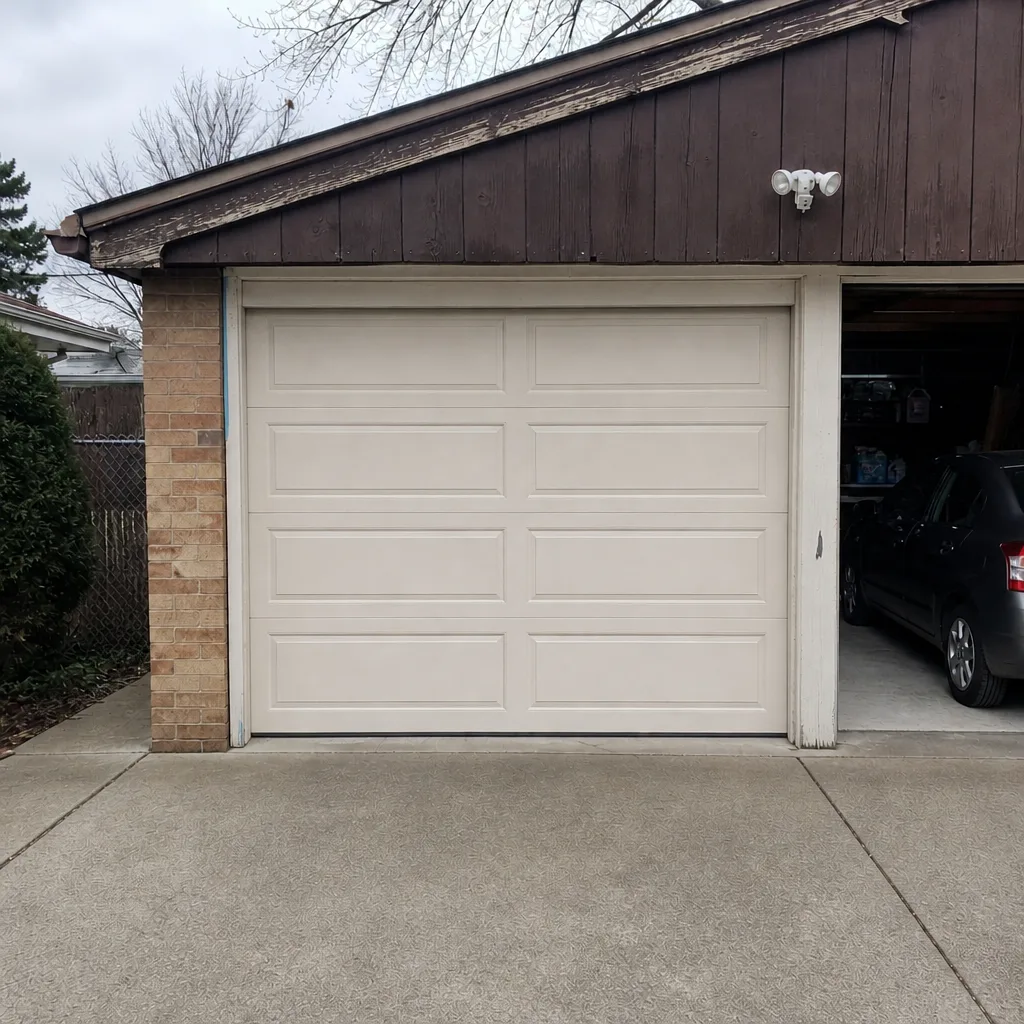 After
When to Call a Professional
Call us when the door won’t stay open, when it comes down fast, when the opener runs but the door doesn’t move, when the panel is bent enough that the door won’t close flush, or when you’re weighing a full replacement and want an honest read on whether the current door can be saved. Spring work is always a call-us scenario. Same with anything involving new electrical or a changed opening. Skokie Garage Door Repair Co offers free estimates in Skokie – call (844) 670-3544. We’ll give you a written price before any work starts, and we’ll tell you plainly whether the job is a repair or a replacement.
Frequently Asked Questions
Usually not, if the replacement is like-for-like in the same opening and the door weight and size are unchanged. A permit is more likely when the opening is modified, the framing changes, or new electrical is needed. Confirm with the Village of Skokie Building Department before you order. Call (844) 670-3544 if you want a specialist to walk through what your specific job likely requires.
No, spring replacement is routine maintenance and doesn’t require a permit. Springs, cables, rollers, and hinges are all maintenance items. Spring work is also the most dangerous repair on a garage door, so it’s not a job to take on yourself. Call (844) 670-3544 for a free estimate on spring replacement.
Residential permit reviews typically run days to a couple of weeks depending on complexity and department workload, with the inspection scheduled separately after install. Incomplete applications reset the clock, so review the checklist carefully before submitting. Call (844) 670-3544 if you want to plan your install date around the realistic timeline.
The title company will likely flag it, and the closing can be delayed until the permit is pulled retroactively and inspected. The fix is doable, but it’s much easier to do it before you list. Call the Village of Skokie Building Department to find out what’s on record for your property. Call (844) 670-3544 if you want a read on what kind of work was likely required.
Yes, when the garage is attached to conditioned living space. The door’s thermal performance matters, and an insulated door is usually the practical answer. Reviewers may want the manufacturer’s thermal documentation attached to the permit. Call (844) 670-3544 and we’ll help you pick a door that fits your garage type.
We don’t submit permits on the homeowner’s behalf, but we do prepare the door specs, measurements, and manufacturer documentation you need to attach to the application. We’ll also flag early if the work looks permit-bound so you’re not surprised mid-install. Call (844) 670-3544 for a free estimate and a written scope.
The Bottom Line
The permit question comes down to one idea: does the work change the building, or just the parts on the door? Springs, cables, rollers, and like-for-like door swaps are maintenance and land outside the permit system. Opening modifications, new electrical, and structural changes fall inside it. If you’re unsure, call the Village of Skokie Building Department before you order. Keep the permit and inspection records. And when a repair turns into a replacement, bring in a specialist who knows the door, the brands, and the paperwork. We handle the full arc from diagnosis to install, and the written estimate is the price.
If you’re in Skokie and want to walk through your specific project, call Skokie Garage Door Repair Co at (844) 670-3544 for a free estimate.
Written by the team at Skokie Garage Door Repair Co.